


By Chantelle Muzanenhamo
BEITBRIDGE farmers have been urged to prioritise drought-tolerant small grains as the country prepares for the 2026/2027 agricultural season amid anticipated El Niño conditions that could bring below-normal rainfall and prolonged dry spells.
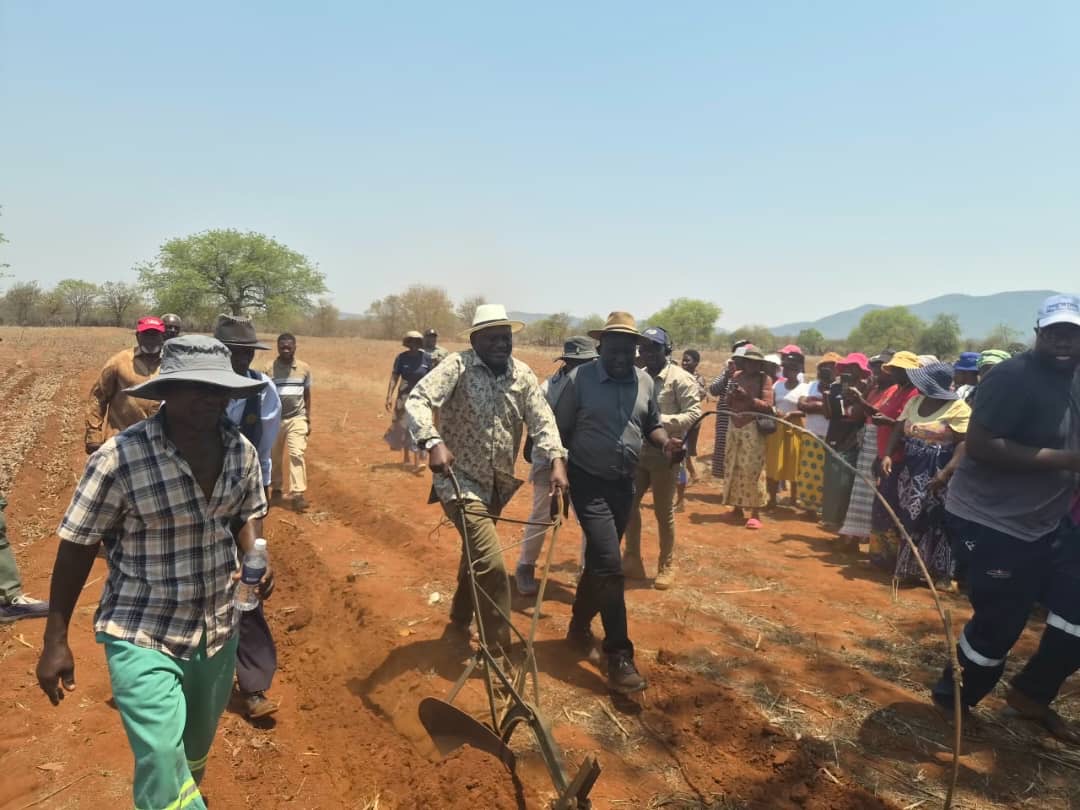
Matabeleland South Minister of State for Provincial Affairs and Devolution Albert Nguluvhe made the call during the launch of the 2026/2027 Intwasa/Pfumvudza agricultural season in Ward 2, Fula Village, Beitbridge, on Monday.
He urged farmers to grow small grains such as sorghum, pearl millet and finger millet, alongside cowpeas and other locally adapted crops, to mitigate the effects of unreliable rainfall.
“Given that as a region we receive low and unreliable rainfall, I once again urge our farmers to prioritise drought-tolerant and early-maturing small grains, particularly sorghum, pearl millet and finger millet, alongside suitable cowpeas and other locally adapted crops,” said Nguluvhe.
He said diversifying crop production to include legumes, oilseeds and other nutritious foods would improve household diets, incomes and food security.
Nguluvhe noted that increased production of small grains could also benefit farmers through emerging market opportunities in agro-processing, particularly as investors explore ways of processing the crops into products such as nutritious porridges.
He urged farmers to take advantage of the Presidential Climate-Proofed Programme, Intwasa/Pfumvudza, which promotes minimum soil disturbance, maximum soil cover, crop rotation and timely agricultural operations.
The practices are designed to conserve soil moisture, reduce erosion and spread production risks.
Nguluvhe also called on farmers to prepare their land early and plant when there is adequate soil moisture and suitable conditions.
He encouraged farmers to obtain reliable weather forecasts and agricultural advisories from the Meteorological Services Department through Agritex and other recognised channels to guide their farming decisions.
He said farmers should also incorporate indigenous knowledge into local agricultural planning to strengthen their ability to respond to changing weather conditions.
He said preparedness should extend to livestock production, urging farmers to conserve hay, prepare silage, establish fodder crops and maintain water points to reduce the effects of possible pasture shortages.
Nguluvhe said the success of the coming agricultural season would depend not only on rainfall received but also on how effectively farmers prepared and managed available resources.
He officially launched the 2026/2027 Intwasa/Pfumvudza agricultural season, calling on farmers to translate early warnings into action to improve productivity and strengthen food and nutrition security.