


By Patience Gondo
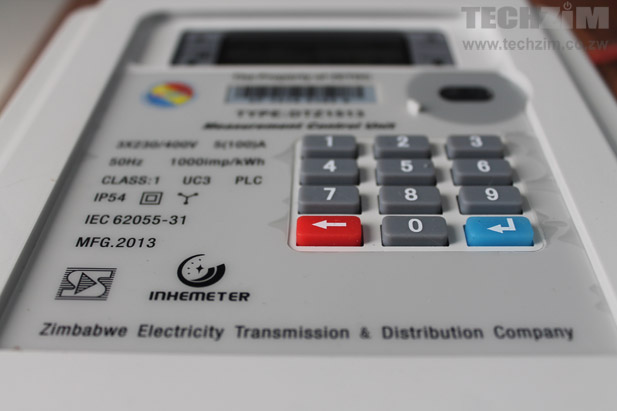
A Rusape woman is facing a potential 10-year prison sentence for allegedly bypassing her Zimbabwe Electricity Transmission and Distribution (ZETDC) meter consuming free power for more than two years.
The suspected offence was uncovered during a routine inspection by a ZETDC loss-control officer at her home in the Tsanzaguru area, leading to her arrest and subsequent court appearance.
According to court proceedings , the woman, identified as Monica Mubaya, is accused of illegally connecting electricity from July 2023 to September 2025.
Investigators allege that during this period, her home was receiving uninterrupted electricity supply while the meter recorded no usage, raising suspicion of deliberate tampering. She was granted bail and is expected to return to court on 5 December for further proceedings.
The incident is the latest in a rising number of electricity theft cases in Rusape, coming just weeks after a 55-year-old Vhengere man was jailed for 10 years for a nearly identical offence.
In that case, the court heard the man removed the 16mm² cable linking his circuit breaker to the meter and replaced it with a thinner 2.5mm² wire, ensuring that electricity flowed directly into his home without registering on the meter.
The magistrate ruled that the offence fell under Section 60A(3)(a) of the Electricity Act (Chapter 13:19), which imposes a mandatory minimum sentence of 10 years for tampering with electricity infrastructure.
ZETDC has repeatedly warned that electricity theft including meter bypassing, illegal connections and direct tapping from the grid is costing the national power utility millions of dollars annually.
In several reports covered by national newspapers over recent years, authorities have complained that tampered meters and illegal wiring not only deprive ZETDC of revenue but also endanger entire neighbourhoods through increased risks of electrocution and electrical fires.
Loss-control teams have since intensified inspections across the country, especially in high-risk areas where cases have been widespread.
Previous cases reported show a pattern of rising prosecutions, with some offenders receiving community service for smaller-scale illegal connections while others, particularly those involving deliberate meter bypassing, have been handed lengthy jail terms.
In 2024, ZETDC announced it would scale up its nationwide crackdown, citing significant financial losses and increased strain on the already stretched national grid.
The Rusape woman’s case is expected to proceed under the same legal framework that saw her Vhengere counterpart jailed for a decade.
If found guilty, she could become the second person in her district this year to receive the stiff sentence prescribed by law.