


By Evans Dakwa recently in Harare
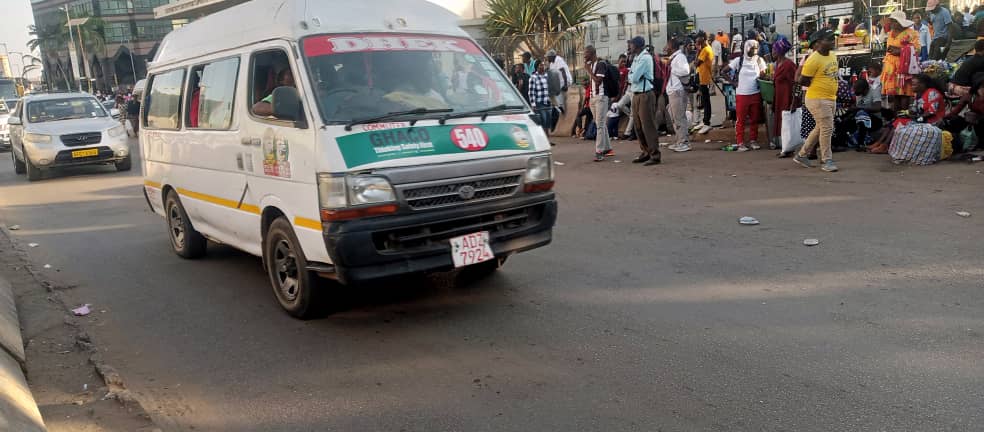
Harare, Zimbabwe – The introduction of Zimbabwe’s new currency, the Zig, last week into circulation has been met with frustration and chaos as it is in short supply, leaving commuters frustrated.
The unavailability of the ZiG on the market means there is change , crucial for the smooth low in the urban transport system. The Zim dollar notes popularly known as bond note had hold fort in that regard and was widely accepted as change in the transport sector. Unfortunately it has been rendered obsolete after earlier announcement by the Reserve Bank that it will cease being legal tender on the 27th of April.
A reversal of that announcement has not yielded desired effect as transport operators in Harare no longer want to associate with the bond notes leaving commuters bearing the cost as fares are rounded off to the next whole number.

With every route having a minimum charge of US$1, commuters are finding it difficult to pay for their fares as there is no change available. The cumulative effect is commuters are faced with an expensive transport system.
Commuters who spoke Ziyah News Network expressed their frustration, saying that some banks are running out of the new currency, leaving them without access to the funds they need.
“I have been queuing for hours, but the Zig runs out before my turn,” said one commuter. “It’s frustrating and inconvenient. We urge the Reserve Bank of Zimbabwe (RBZ) to intervene and save the commuting public, ” she said.
A transport operator said the ZiG is nowhere to be found and for routes they used to charge US$ 0.5, they can no longer do so .
“Change maone mdara , totongorova nozhi pakufamba kutora mari patown” ( It’s difficult to get change , we have no choice but to charge dollar which is to our advantage)
Commuters are appealing to the RBZ to take immediate action to address the shortage and ensure that the Zig is widely available to avoid further inconvenience.
Until then, commuters will continue to bear the brunt of the shortage with high fares being the order of the day.
Commuters are hopping the RBZ will address the issue and ensure that the new currency is widely available to meet the demand and allow transport operators to revert to normal fares which are economically viable for the daily commuting public.