


By Rex Mphisa
THE Zimbabwe National Water Authority has warned communities downstream of the Mtshabezi, Shashi and other smallers rivers to be wary of flooding following heavy downpours in their respective catchment areas.
In a statement on Sunday, distributed through various government arms including the Civil protection Unit in the Ministry of Local Government and Public Construction, Zinwa warned people not to attempt crossing flooded rivers.
“The Zimbabwe National Water Authority wishes to advise stakeholders and communities in and around Gwanda that, following the incessant rains being experienced in the Mzingwane Catchment, major dams have filled up and are spilling,” Zinwa said in a statement.
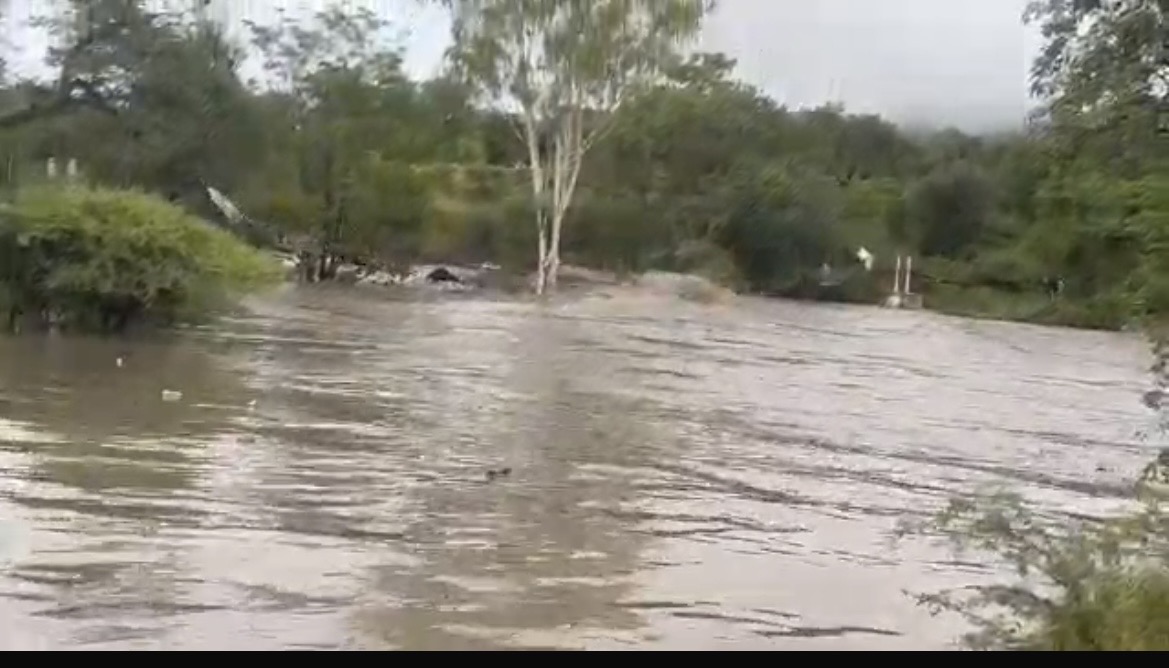
“Mtshabezi Dam has filled up and is spilling, while the Tuli and Shashe rivers are also experiencing high flows and overtopping their banks, raising the risk of flooding for downstream communities. Inzisa Dam is almost full and is expected to start spilling in the next few hours, if the current rate of inflows is sustained,” said Zinwa.
It said downstream communities should be vigilant, avoid crossing flooded rivers, and to be on high alert for possible flooding.
“All water abstraction equipment along river channels should be removed or adequately secured,” said Zinwa.
“ZINWA is closely monitoring the situation and will keep stakeholders and communities updated on any new developments as they occur.”
Reports from Gwanda on Sunday said a number of buildings and lodges had been flooded.
Images send on some social media platforms showed Trigger Lodge and Palm River Lodge under strain from the floods.
The bridge linking Gwanda and the Maphisa road was also submerged.
Zimbabwe is receiving above-average rainfall, particularly in the 2025-2026 season, primarily due to a shift towards a weak La Niña phase in the Pacific Ocean and a negative Indian Ocean Dipole (IOD).
These climate drivers generally favour higher moisture convergence and increased precipitation in Southern Africa.
Breaking…Zinwa Warns of Floods Downstream of Mtshabezi, Shashi
By Rex Mphisa
THE Zimbabwe National Water Authority has warned communities downstream of the Mtshabezi, Shashi and other smallers rivers to be wary of flooding following heavy downpours in their respective catchment areas.
In a statement on Sunday, distributed through various government arms including the Civil protection Unit in the Ministry of Local Government and Public Construction, Zinwa warned people not to attempt crossing flooded rivers.
“The Zimbabwe National Water Authority wishes to advise stakeholders and communities in and around Gwanda that, following the incessant rains being experienced in the Mzingwane Catchment, major dams have filled up and are spilling,” Zinwa said in a statement.
“Mtshabezi Dam has filled up and is spilling, while the Tuli and Shashe rivers are also experiencing high flows and overtopping their banks, raising the risk of flooding for downstream communities. Inzisa Dam is almost full and is expected to start spilling in the next few hours, if the current rate of inflows is sustained,” said Zinwa.
It said downstream communities should be vigilant, avoid crossing flooded rivers, and to be on high alert for possible flooding.
“All water abstraction equipment along river channels should be removed or adequately secured,” said Zinwa.
“ZINWA is closely monitoring the situation and will keep stakeholders and communities updated on any new developments as they occur.”
Reports from Gwanda on Sunday said a number of buildings and lodges had been flooded.
Images send on some social media platforms showed Trigger Lodge and Palm River Lodge under strain from the floods.
The bridge linking Gwanda and the Maphisa road was also submerged.
Zimbabwe is receiving above-average rainfall, particularly in the 2025-2026 season, primarily due to a shift towards a weak La Niña phase in the Pacific Ocean and a negative Indian Ocean Dipole (IOD).
These climate drivers generally favour higher moisture convergence and increased precipitation in Southern Africa.