


By Rex Mphisa
AN ambulance at Beitbridge Rural District Hospital has clocked an amazing 800 000 kilometres, inching its way towards a million kilometres.
And perhaps with every new kilometre it is slowly driving into the Guinness Book of Records for the most travelled ambulance.
The ambulance is one if the two at the 160-bed Beitbridge Rural District Hospital serving 120 000 people of the district and thousands other transient clients.
“It is constantly breaking down now. We effectively have one servicing our hospital,” district hospital medical officer Lenos Samhere said.
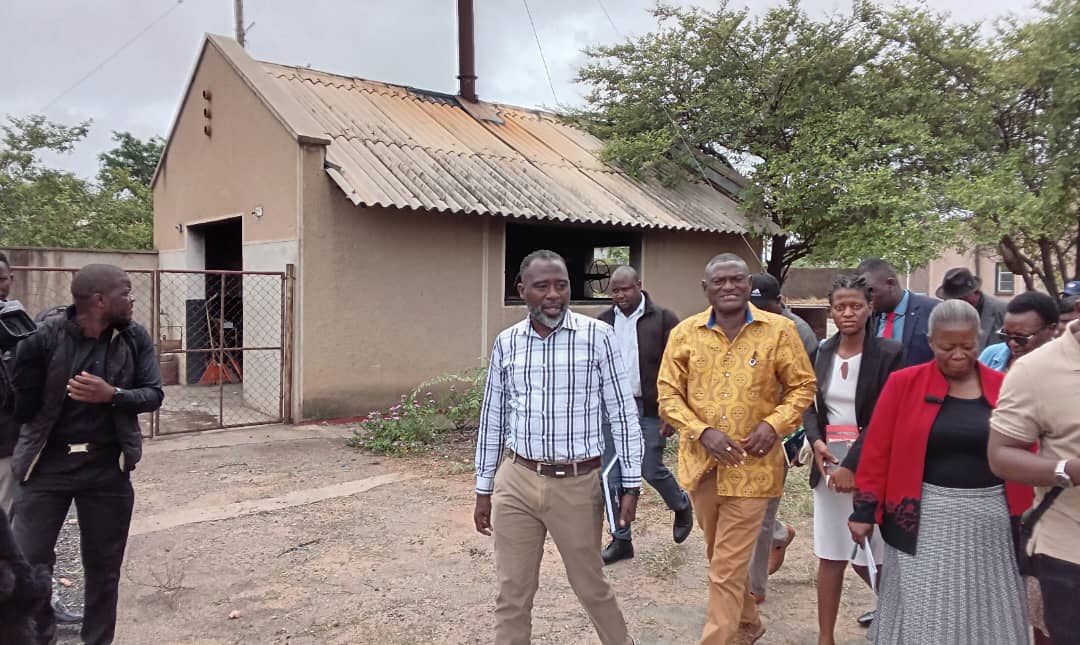
He was briefing Albert Nguluvhe, the Matabeleland South Minister of State for Provincial Affairs and Devolution who toured Beitbridge.
The story of most travelled ambulance appears strange.
But it speaks volumes of several disadvantages faced by Beitbridge residents whose nearest referral hospital is 200 kilometres away at Gwanda.
At times this ambulance makes three journeys to Gwanda and back, carrying needy patients.
That is a total of 1200 kilometres.
It is difficult for a very sick person to survive 200 kilometres of an ambulance ride. Particularly where there are several rough patches like the Beitbridge to Gwanda road.
Some did not last the distance.
“This hospital serves the region. It is the face of Zimbabwe. We have a beautiful border post, beautiful roads at our hospital is not. Something must be done,” said Nguluvhe.
His song is not new, at least to Beitbridge residents.
Every new Zimbabwean health minister is told the story of Beitbridge Hospital.
They all promise to “upgrade it into a referral centre”, opening doors for more skilled staff, equipment and a more generous budget.
But that has never left the drawing board to reality.
“We now have to do it ourselves, we must build our own hospital,” said Nguluvhe.
He has started a journey of visiting the province’s district hospitals with view to upgrade them.
“Health is a right, everyone must access health, we have to ensure that,” he said.
But his task at Beitbridge remains tall.
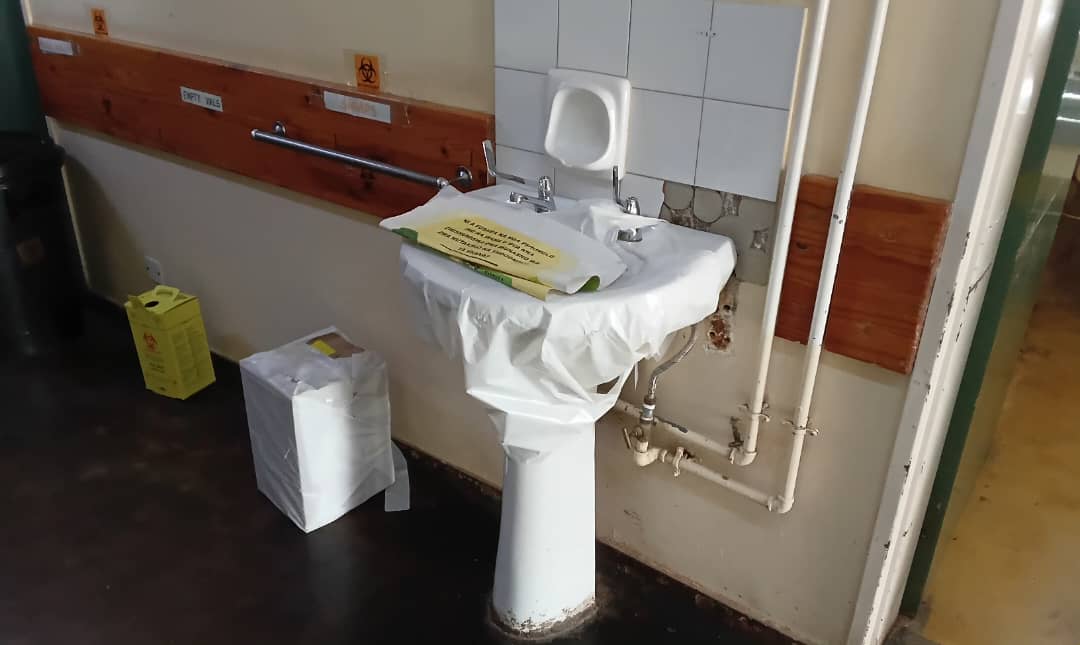
There is need to overhaul the plumbing system which has become dysfunctional and all sinks are blocked.
Only a fifth of the mortuary is functional and bodies are piled on top of one another. Just six out of 30 compartments work.
On Thursday visit, an unpleasant smell came from the mortuary reflecting what staff endure daily.
Next to the mortuary is a dead incinerator.
“We need US$50 000 for a new incinerator,” said Dr Lenos Samhere leading Nguluvhe on the guided tour.
He showed Nguluvhe two old broken cars donated to the hospital by the Zimbabwe Revenue Authority and the whole entourage broke into laughter at the embarrassing gifts.
Grass has grown in between each vehicle which can barely fetch US$50 each on an auction.
Beitbridge Hospital is next to the country’s cash cow at the Beitbridge Border spinning millions daily in revenue collection.
But the money dies not reflect on the hospital where residents in 2026 pooled resources to repair broken windows.
Friends of Beitbridge Hospital had, they previous year, pooled resources to repair another ambulance which has since broken down due to the demanding distances.
And the 700 000 kilometres ambulance moves on, intermittently breaking down like the poorly funded operations of Beitbridge Hospital.