


By Chantelle Muzanenhamo
THE Ministry of Primary and Secondary Education’s push to promote heritage-based learning took centre stage in Beitbridge as primary school pupils showcased their cultural talents through choral music, percussion and traditional dance at the 2026 Provincial NAPH competitions.
Held over two days, on Thursday and Friday, under the theme “Celebrating Our Heritage Through Music and Dance,” the competitions demonstrated how schools can use artistic performances to preserve Zimbabwe’s cultural identity while bringing classroom learning to life.
The event brought together learners who used music, drumming and traditional dances, including Jikinya and Chinyambera, to express their cultural heritage and demonstrate the role of indigenous knowledge in education.
Speaking as guest of honour, Beatrice Manjere, the Chief Director for Provincial Education Services in Matabeleland South, said the competitions were more than an opportunity for pupils to demonstrate their artistic abilities, describing them as an important platform for celebrating identity and preserving culture.
“When our pupils sing in our national choral pieces, when they beat the drum and dance Jikinya with energy and precision, they are telling a story and keeping our culture alive,” she said.
Manjere said the heritage-based curriculum being implemented by the Ministry of Primary and Secondary Education was founded on the principle of “Nyika inovakwa nevene vayo,” emphasising the importance of grounding education in the country’s identity and values.
“The heritage-based curriculum that we are implementing as the Ministry of Primary and Secondary Education is built on the principle of ‘Nyika inovakwa nevene vayo.’ It says our education must come from who we are,” she said.
The competitions highlighted the potential of cultural activities to complement formal classroom instruction by exposing learners to traditional music, dance and forms of expression that have been passed down through generations.
Beyond cultural preservation, the performances provided pupils with opportunities to develop confidence, discipline, teamwork and creativity while appreciating the traditions that shape their communities.
Brian Chiyangwa, an adjudicator from Mashonaland West Province, told Ziyah News Network that participation in the competitions was showing encouraging growth.
He said the number of participating bands had increased from four in previous years to six this year, describing the development as a positive step towards strengthening the activities.
“We are really excited that the activities are gaining ground. There is a huge leap forward as far as the development of the activities is concerned,” Chiyangwa said.
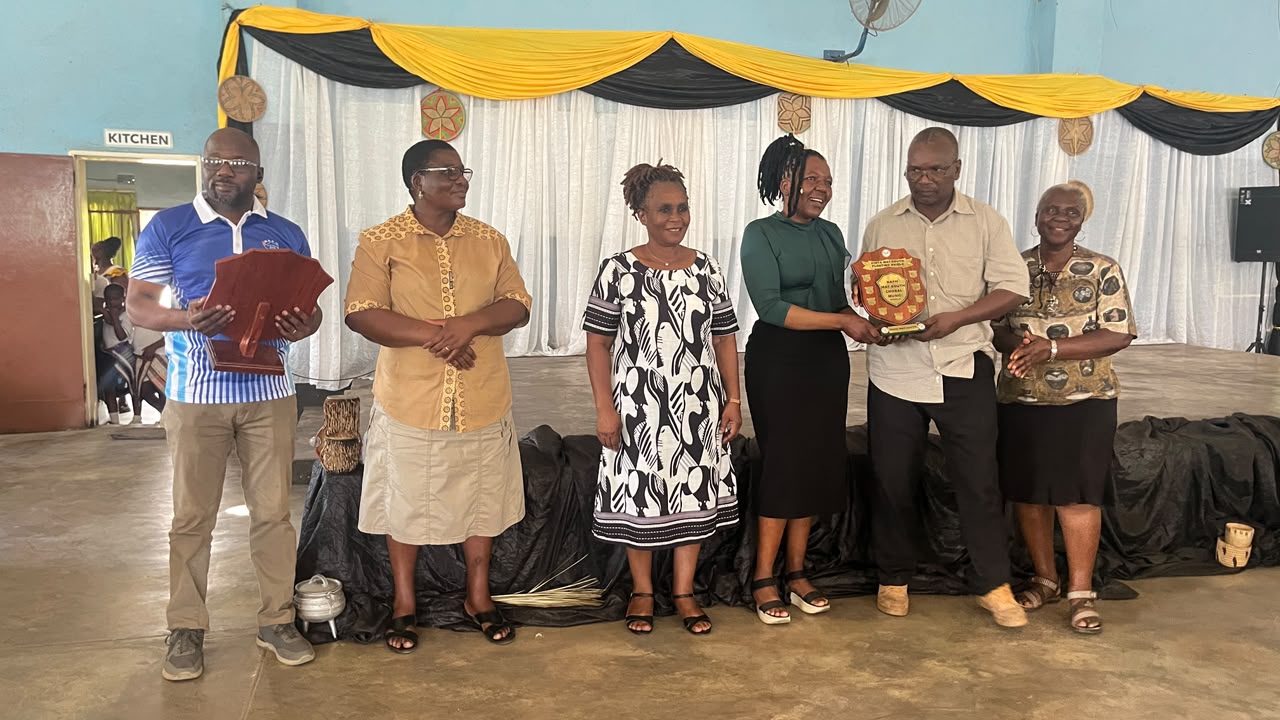
The competitions also produced notable performances, with Filabusi Primary School from Insiza District winning first prizes in choral music and percussion band, as well as second position in traditional dance.
Mlambapele Primary School from Gwanda South District claimed first position in traditional dance.
The results underscored the role of schools in nurturing young talent while providing platforms for learners to engage with their cultural heritage.
As Zimbabwe continues to implement heritage-based education, events such as the provincial competitions offer an opportunity to translate curriculum principles into practical experiences, allowing learners to appreciate their roots through active participation.
The challenge remains to sustain such initiatives beyond competitions and ensure that cultural education continues to form an integral part of learning in schools.