


Staff Reporter
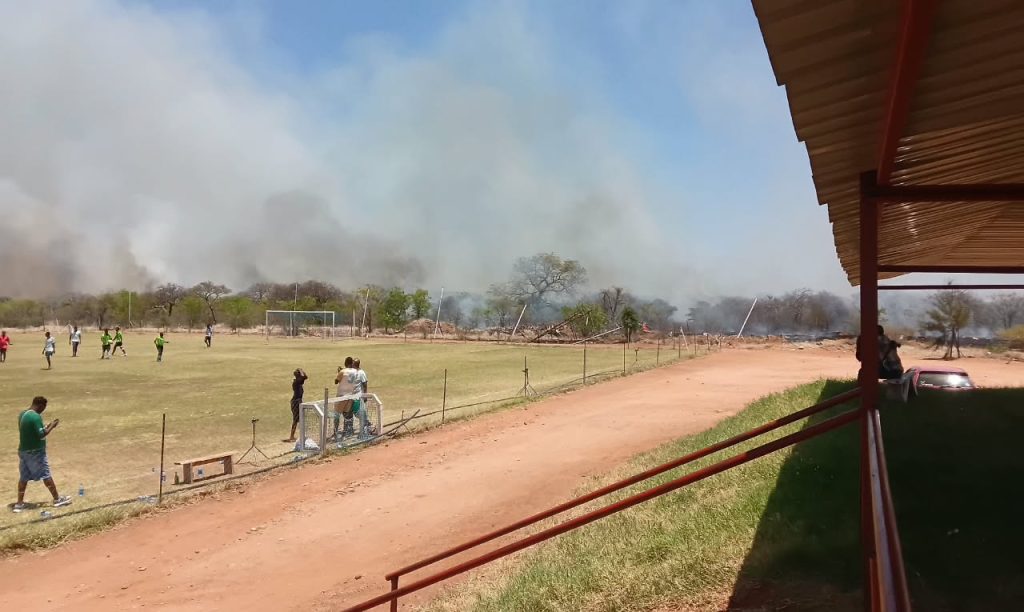
MATABELELAND South must wage an immediate, uncompromising war against veld fires before runaway blazes obliterate the province’s vital livestock and wildlife industries, Minister of State for Provincial Affairs and Devolution Albert Nguluvhe has warned.
Speaking in an exclusive interview with Ziyah News Network during the statutory fire restriction period—which runs until 30 November—Nguluvhe sounded the alarm over unchecked infernos that are decimating critical grazing pastures, crippling food security, and destroying household livelihoods across Zimbabwe’s premier beef-producing region.
Nguluvhe said cattle ranching is the economic lifeblood for smallholder, communal, resettled, and commercial farmers alike, and must be defended at all costs.
He added that the province’s lucrative wildlife sanctuaries depend entirely on the same vulnerable pastures.
“To protect this industry, we must stamp out veld fires. Outbreaks are surging across the province, and we cannot sit back while they sabotage our agricultural output,” said Nguluvhe, who is a cattle farmer himself.
“Preventing wildfires is everyone’s duty.
We must act now rather than waiting for catastrophe to strike. One reckless blaze can wipe out decades of hard work and ruin countless families,” he said.
The scale of the destruction is stark. Matabeleland South remains the third worst-hit province in Zimbabwe, recording a staggering 200 percent surge in fire incidents and land devastation earlier this season compared to last year.
Provincial authorities reported that between 80 000 and over 108 709 hectares were scorched mid-season—a massive jump from the 35 000 hectares lost during the same period the previous year.
The threat has already struck close to urban centres and previously untouched areas.
In Beitbridge, firefighters battled ferocious blazes that gutted roughly 20 hectares near the town’s water reservoir, coming dangerously close to the staff village and eastern residential suburbs as scorching daytime temperatures and dry winds hampered containment efforts.
In Gwanda District’s Insindi area—a zone historically spared from veld fires—a destructive blaze killed livestock, including eight goats, exposing the growing vulnerability of local communities.
“Preparedness demands a united front, not fragmented reactions.
Traditional leaders, commercial ranchers, communal farmers, and ordinary citizens must stand shoulder to shoulder to defend our land,” Nguluvhe said.
To halt the devastation, Nguluvhe demanded strict accountability from local communities and state agencies alike.
He ordered farmers and villagers, spearheaded by traditional leaders, to immediately clear and maintain statutory fire guards, while insisting that everyone profiting from the beef value chain must fund and establish local fire committees across all villages.
Existing development structures must also step up and take ownership of fire prevention, he said.
Nguluvhe said government arms should ramp up satellite and ground-based monitoring alongside relentless community awareness campaigns, while demanding a ruthless crackdown on illegal open fires.
“The police must investigate every outbreak, enforce environmental laws without fear or favour, and arrest anyone who neglects fire safety or refuses to help extinguish flames,” Nguluvhe said.