


By Rex Mphisa
ZIMBABWE’s rich cultural heritage should be transformed into economic activities that support employment through tourism and related activities.
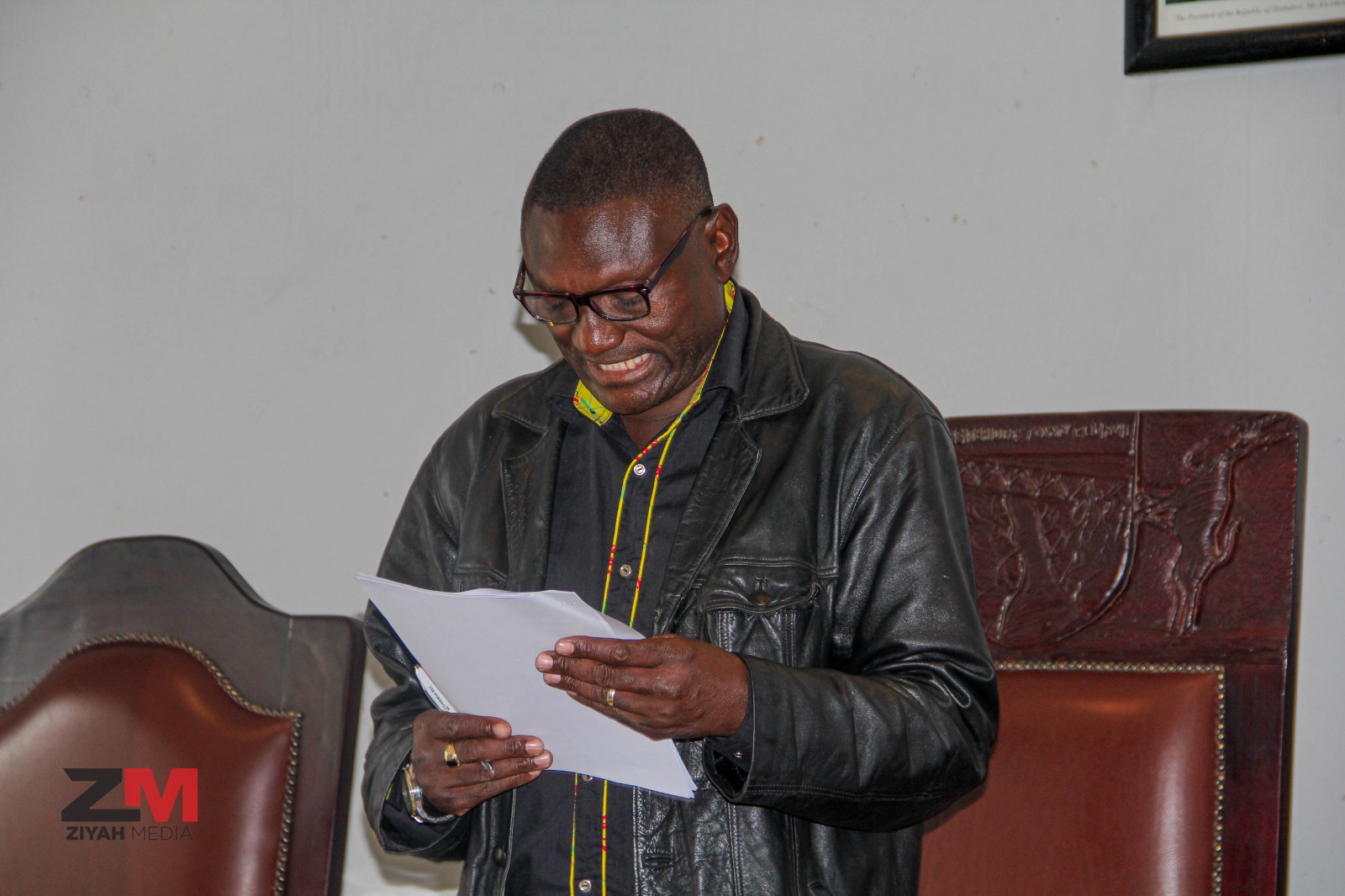
Cultural festivals can be used as platforms for diverse industries and improve the livelihoods of Zimbabweans, Matabeleland South Minister of Provincial Affairs and Devolution Albert Nguluvhe has said.
He was speaking at the Municipality of Gwanda’s Cultural Festival, held at the Jahunda Culture Centre and themed “Our Culture, Our Economy: Bridging Heritage and Prosperity Across the Trans-Limpopo Region.”
“The festival is more than a cultural celebration, it as a platform that demonstrates how Zimbabwe’s rich cultural heritage can be transformed into a productive economic asset that improves the livelihoods of communities,” he said.
“Culture is central to Zimbabwe’s identity and an important contributor to national development, and artists, craftspeople, performers and storytellers are key players in the country’s economy whose creativity contributes to employment creation, innovation and industrialisation in line with the National Development Strategy 2 (NDS2),” said Nguluvhe.
He applauded Gwanda Municipality for successfully translating the vision of regional cultural cooperation into action by bringing together participants from Matabeleland South, Matabeleland North, Bulawayo Metropolitan Province and South Africa’s Limpopo Province.
He described the festival as a practical demonstration of the Trans-Limpopo Spatial Development Framework and an important vehicle for strengthening cross-border cooperation through culture, tourism and trade.
The Trans-Limpopo Spatial Development Initiative (TLSDI) is a cross-border economic corridor connecting South Africa’s Limpopo Province to the Matabeleland region and Victoria Falls in Zimbabwe.
First proposed in 1999, its framework aims to boost trade, tourism, and infrastructure—like the Musina-Makhado Special Economic Zones (SEZ)—along the vital N1 highway corridor which is the road from Cape Town to the Victoria Falls through Beitbridge.
Reaffirming that Zimbabwe is Open for Business, Nguluvhe encouraged communities to commercialise traditional music, dance, crafts and other indigenous knowledge systems, turning cultural heritage into viable enterprises that promote tourism, attract investment and improve household incomes.
The festival brought together government officials, traditional and civic leaders, cultural practitioners, development partners and an international delegation from Makhado Municipality in Limpopo Province, South Africa.
The event celebrated the shared cultural heritage of communities within the Trans-Limpopo region while promoting culture as a catalyst for economic growth, tourism development and regional integration.
In his Provincial update Nguluvhe said discussions during the festival highlighted the growing recognition of culture as a strategic driver of sustainable development rather than merely a reflection of the past.
Participants however were concerned by the gradual erosion of cultural values due to social challenges such as early child marriages and the weakening of traditional moral standards, calling for deliberate efforts to preserve and pass cultural values to future generations.
The gathering further resolved to broaden participation in future editions of the festival by inviting cultural groups from all provinces of Zimbabwe and neighbouring countries to strengthen national unity, regional integration and cultural exchange.
The Gwanda Cultural Festival reaffirmed Matabeleland South Province’s commitment to preserving cultural heritage while leveraging it to promote entrepreneurship, investment, tourism and inclusive socio-economic development across the Trans-Limpopo Region.