


By Ziyah News Reporter
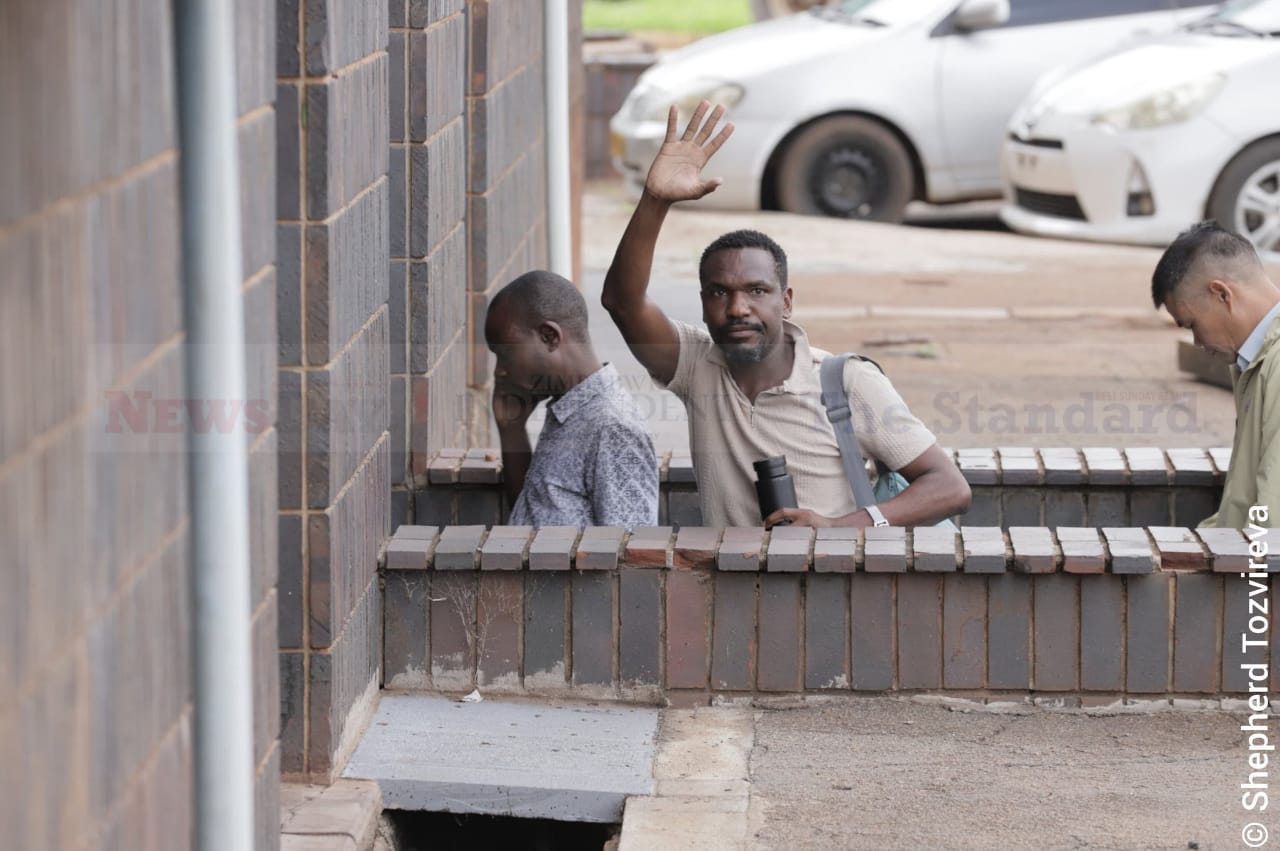
The arrest of Blessed Mhlanga, a presenter for Alpha Media Holdings’ online broadcasting platform HStv, has raised serious alarms over the state of press freedom in Zimbabwe.
Mhlanga was taken into custody on February 24, 2025, by police who accused him of violating the Criminal Law (Codification and Reform) Act, particularly Section 164, for allegedly transmitting data messages that incite violence.
This severe action follows his interviews with prominent war veteran leaders, including Blessed Geza, who is now wanted by authorities for multiple alleged offenses, including undermining the president’s authority.
The Zimbabwe National Editor’s Forum (ZINEF) has expressed deep disturbance and concern over Mhlanga’s arrest in a statement, labeling it as an unwarranted attack on legitimate journalism. “It is always disturbing and unacceptable to us when journalists get arrested for merely doing their job,” ZINEF stated.
The forum underscored that Mhlanga’s work was in the public interest and constituted a normal part of his professional duties as a journalist.
This incident highlights a pervasive issue, the unending trend of harassment and intimidation faced by journalists in Zimbabwe, often under the guise of maintaining public order.
Mhlanga’s arrest serves as a chilling reminder of the current climate in which reporters become targets for simply exercising their constitutional rights.
As echoed by ZINEF, “journalism is not a crime,” and such attacks against the press can only serve to stifle free expression, leaving the public in a more informed and less engaged state.
The broader implications of Mhlanga’s arrest are worrying, particularly given Zimbabwe’s fraught history with media suppression.
Cases such as that of Itai Dzamara, a journalist and activist who was abducted in 2015 and has since been missing, cast a long shadow over the state of journalism in the country.
The Zimbabwean government’s repeated failure to create a safe environment for journalists not only exposes individual reporters to potential harm but also poses a broader threat to democracy and freedom of expression across the nation.
Adding to these tensions, ZINEF has called for Mhlanga’s immediate release and urged authorities to ensure that he remains unharmed while in custody.
The situation surrounding Blessed Mhlanga’s arrest is not just about one journalist’s freedom; it is indicative of a larger struggle for media freedom in Zimbabwe a struggle that pits the government against the fundamental principles of democracy.
The fight for press freedom in Zimbabwe is far from over. The challenges faced by journalists, exemplified by Mhlanga’s arrest, must galvanize collective action to demand the fundamental rights enshrined in the constitution.