


By Patience Gondo
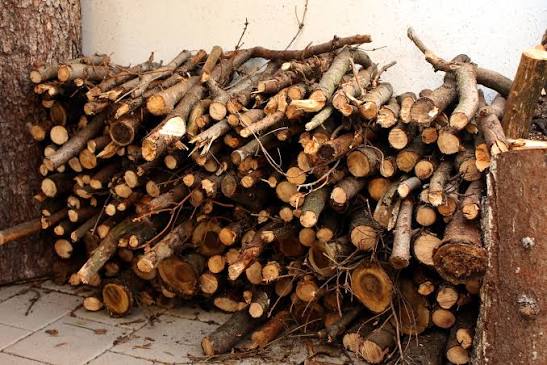
FIREWOOD poaching is accelerating the destruction of trees in Beitbridge rural and urban areas, raising concern over environmental damage.
The uncontrolled practice is significantly impacting ecosystems by reducing carbon absorption, increasing carbon dioxide emissions, triggering soil erosion, and destroying habitat for countless species.
While large-scale deforestation for agriculture causes severe biodiversity loss, strategic, sustainable tree cutting can improve forest health by allowing younger trees to mature, controlling disease, and opening canopy space.
In Beitbridge the cutting of trees is driven largely by market high demand for wood fuel as a source of household and more often commercial energy in food outlets.
While rural areas have been known for firewood use, business centres across the sprawling distridt have “food kitchens” notorious for fresh firewood use.
Newly established residential suburbs in urban Beitbridge and other growing centres at Lutumba, Chamnanga and Tshapfutshe business centres are also guilty of fresh tree usage fueling uncontrolled cutting of fresh trees.
The rate at which Colophospermum Mopane trees are being cut down is unsustainable, accoring to research.
The damage is also affecting the availability of the mopane worms, a delicacy which depends on mopane leaves for survival.
Beitbridge was once known for producing high-quality mopane worms, a key source of food and income, but this is now declining as their habitat disappears.
Rural District Chairperson Oscar Chiromo said the situation is worrying, with even young and healthy mopane trees being lost.
“It’s saddening how much of the fresh mopani tree is being cut down by our people trying to make a living,” he said.
He said mopane tree takes between 60 and 100 years to mature, making the destruction difficult to reverse.
“If this continues, our grandchildren will only see these trees in museums,” Chiromo said.
Chiromo said the local authority currently has no budget to deploy enough rangers to monitor the forests but has engaged a private partner to assist.
“The partner is expected to bring in drones and motorbikes to strengthen monitoring and response, which will save the remaining trees,” he said.
In an interview with Ziyah News Network District Forestry Officer Zibusiso Ndlovu said Joint Operation Firewood Blitz with Municipality of Beitbridge, Beitbridge Rural District Council Forestry Commission, EMA, ZIMParks and Police is on the table.
It will regulate extraction, transportation and selling of firewood, timber, sand and other environment related issues .
“You will see some of the scotch carts being impounded,firewood being confiscated and forfitted to the state and some of the culprits being sent to court,”Ndlovu said.
“As a citizen of Zimbabwe you have a right of access to wood energy for domestic consumption,but volumes of firewood are limited to 0,5 cubic metres,which is the size of a wheel barrow.It should be known that sourcing buying of firewood should be from registered firewood traders,” he said
Ndlovu said in Beitbridge they are few Registered Firewood Traders in Beitbridge Town where people in need of firewood should buy from.
“The process of buying is simple,households should accompany the purchased firewood with a receipt showing the logo of the registered Firewood Trading Shop Company,Quantity of firewood,price and signature of the seller.”
The Flora and Fauna Unit (MFFU) is a specialised branch of the Zimbabwe Republic Police (ZRP) within the Criminal Investigations Department (CID).
The police ‘s mandate is to monitor, curb and investigate illegal activities involving Zimbabwe’s precious natural resources, including protected plants, wildlife and minerals.