


By Patience Gondo
ABOUT five million Zimbabweans are living outside the country, driven by push and pull migration factors.
Push factors include challenges such as high unemployment, political instability and economic decline, which force people to leave in search of better opportunities.
Pull factors include better job prospects, higher wages and improved education and living standards in destination countries, which attract migrants.
Another key driver is the search for greener pastures, while others migrate due to a combination of economic and political conditions.
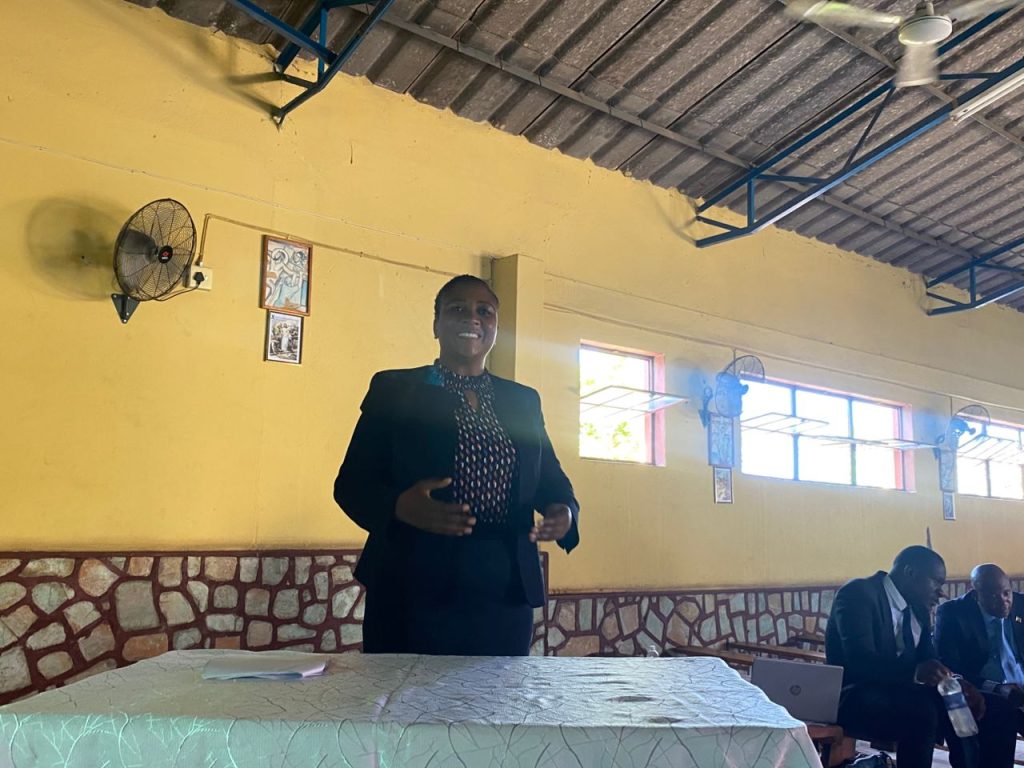
This was disclosed on Tuesday at a workshop hosted by the Catholic Commission for Justice and Peace (CCJP) at Beitbridge.
The workshop brought along officials from the law development and justice.
Director for Law Development and Justice, Netsai Zvakasikwa said Zimbabwe’s migration patterns have been shaped by historical and economic developments over time.
She said the Fast Track Land Reform Programme in 2000, governance challenges, and economic decline including the hyperinflation crisis of the 2000s led to a sharp drop in formal employment and agricultural exports, forcing many skilled and semi-skilled Zimbabweans to leave the country.
“That economic contraction drove large migration waves, with Zimbabweans moving to neighbouring countries, especially South Africa and others going as far as the United Kingdom,” she said.
Zvakasikwa said migration has evolved from colonial-era labour movements to post-independence urbanisation and now modern cross-border mobility, which continues to shape Zimbabwe’s diaspora.
Migration refers to the movement of people from one place to another with the intention of settling either temporarily or permanently.
Despite the scale of migration, she said migrants’s rights must be respected regardless of their legal status.
“Migrants have the right to fair wages,”
she said, said some foreign workers, particularly in South Africa are often exploited by employers who withhold salaries or threaten to report them to authorities.
Another panelist from the department of law and justice said international labour standards, including conventions of the International Labour Organization, promote fair treatment and equal opportunities for migrant workers.
“The Labour Act [Chapter 28:01] regulates work permits and labour conditions for migrants,” he said.
“Key provisions include non-discrimination in employment conditions, wages and access to social security benefits.”
The panelist also said migrants are entitled to basic rights such as access to health services and civil documentation.
“Children born in Zimbabwe, including those of migrants, have the right to birth and death registration under the Births and Deaths Registration Act [Chapter 5:02],”
“Children born to foreign parents do not automatically become Zimbabwean citizens, but their births must still be registered,” he said.
He added that for undocumented migrants or refugees, the law allows flexibility, with registrars permitted to accept alternative forms of identification under Section 17.
The workshop aimed at strengthening awareness and improve the protection of people on the move by equipping stakeholders with knowledge on legal frameworks.