


By Chantelle Muzanenhamo
Harare — The Zimbabwean government is set to roll out prepaid water meters across the country, beginning with Harare in a strategic move aimed at improving water management, reducing wastage, and boosting revenue collection. The initiative is scheduled to commence in selected suburbs of the capital within the next two weeks.
This ambitious project is part of a broader plan to privatize the water sector through a Build, Operate and Transfer (BOT) model, involving key stakeholders such as the City of Harare, Hangzhou Liaison Technology Company, and Helcraw Electrical.
Under this arrangement, private companies will handle raw water purification, distribution, billing, and wastewater management, while smart meters will be installed at residential premises to facilitate responsible consumption.
In the initial phase, the government plans to distribute 600,000 prepaid meters nationwide, with 320,000 allocated for Harare. The remaining meters will be deployed in Bulawayo, Gweru, Mutare, and Victoria Falls. The rollout will target high-density suburbs and satellite towns including Norton, Chitungwiza, and Ruwa.
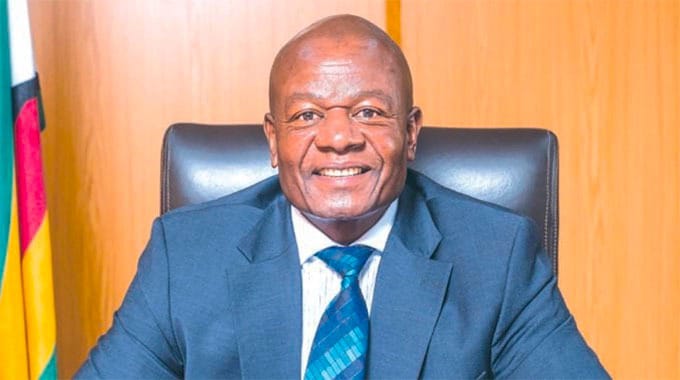
Local Government and Public Works Minister Daniel Garwe confirmed the commencement of the project, stating, “We have signed contracts with the investor; they are now on site. It is a process, however, we are glad that it has begun. In Harare, installation will start in the next two or three weeks, beginning with high-density areas.”
This move marks a significant milestone, as the country revisits the idea of prepaid water systems first proposed over a decade ago. In 2014, the Zimbabwe National Water Authority (ZINWA), in collaboration with local authorities, announced plans to demand payment upfront for water services aiming to curb water theft and increase revenue.
The prepaid water model is anticipated to improve water security by preventing illegal connections and encouraging consumers to monitor their usage. It is also expected to ease shortages faced by many local authorities, which have struggled with aging infrastructure and inadequate funding.
Historically, pilot programs have been launched in select areas such as Harare’s Central Business District, Avenues, Milton Park, and Sunningdale, but the initiative faced setbacks when the Town House shelved the project in 2016.
Nonetheless, ZINWA successfully installed prepaid meters in smaller towns and growth points including Mvurwi, Nyanga, Chivhu, Gokwe, and Hwange.
Since 2000, many opposition-led local authorities have struggled to provide reliable water services, with some areas experiencing years of water outages.
Zimbabwe’s move towards water privatization aligns with similar initiatives in other African countries such as South Africa, Senegal, Gabon, and Côte d’Ivoire, where partial or full privatization efforts have been undertaken to enhance service delivery.
As the country embarks on this new chapter in water management, the success of the prepaid system could serve as a model for sustainable resource use and improved urban living standards across Zimbabwe.