


By Chantelle Muzanenhamo
THE Government has released US$25 million for the rehabilitation and upgrading of the Provincial Rehabilitation Centre in Gwanda, which is earmarked for the treatment and rehabilitation of drug and substance abuse survivors.
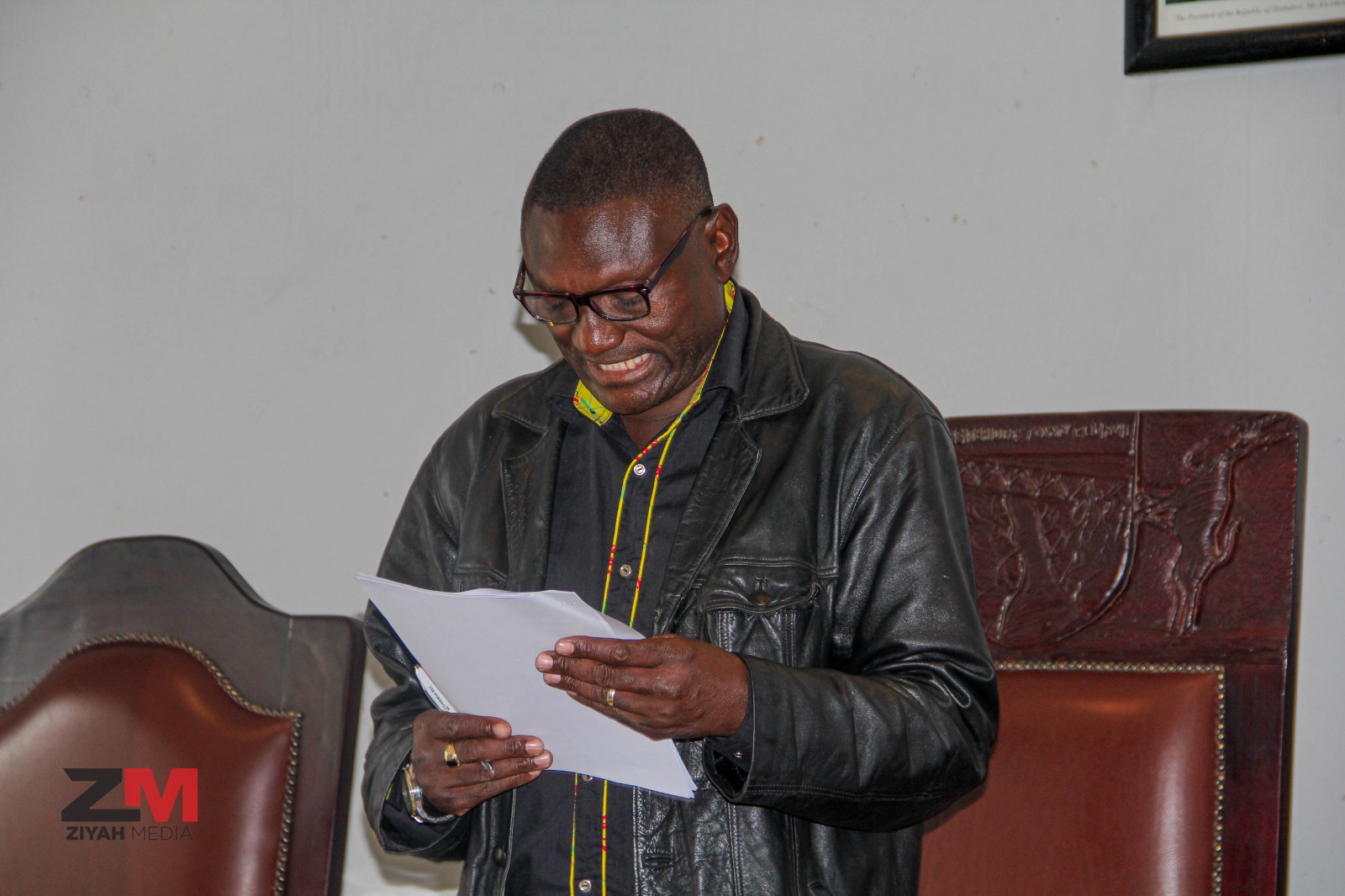
Minister of State for Provincial Affairs and Devolution for Matabeleland South, Honourable Albert Nguluvhe, announced the development during a press conference held in Gwanda on Monday.
He said the project was now at an advanced stage, with refurbishment works expected to commence soon.
“Plans to rehabilitate and upgrade the Provincial Rehabilitation Centre in Gwanda are at an advanced stage, with a US$25 million fund having been released by Treasury and disbursed into the Ministry of Health and Child Care account. A contract has already been signed, and the contractor is expected to conduct a site inspection on June 2,” said Nguluvhe.
The rehabilitation centre upgrade forms part of the province’s broader strategy to combat drug and substance abuse, which continues to pose a serious threat to communities and economic development.
Nguluvhe said Matabeleland South had recorded notable progress in the fight against drugs through coordinated efforts involving Government departments, law enforcement agencies, traditional leaders, development partners and community stakeholders.
Among the recent achievements were support visits by the Provincial Drug and Substance Abuse Steering Committee to Mangwe and Bulilima districts aimed at strengthening local coordination mechanisms, improving reporting systems and enhancing rehabilitation and reintegration programmes.
The visits also revitalised district drug and substance abuse committees through induction and re-orientation on the National Multi-Sectoral Drug and Substance Abuse Plan (2024-2030).
As part of efforts to curb drug trafficking, the provincial steering committee toured Plumtree Border Post to assess existing surveillance systems.
The border facility currently utilises baggage scanners, mobile vehicle scanners, a canine unit and drone technology to detect illicit substances and illegal activities.
Nguluvhe revealed that work was underway on a 100-kilometre drone surveillance system, which is currently 38 percent complete.
He also highlighted progress under the supply reduction pillar, noting that by the week ending May 21, authorities had identified 12 drug hotspots, arrested 73 suspects and referred 33 cases to court. Forty offenders paid admission of guilt fines, while nine drug suppliers were arrested.
On the treatment and rehabilitation front, health officials managed three cases of drug-induced psychosis during the review period.
One case involved a 34-year-old man from Dulivhadzimu Township in Beitbridge who was treated for psychosis linked to crystal methamphetamine and marijuana use.
Two other cases from Gwanda involved men aged 21 and 43 who were treated for conditions associated with marijuana abuse and alcohol intoxication.
The province also reached 114 people through awareness campaigns and conducted 12 home visits in Mangwe and Bulilima districts, where survivors and their families received counselling and psychosocial support.
Despite the progress recorded, Nguluvhe acknowledged that resource mobilisation remains a challenge and appealed to the private sector and other stakeholders to support Government efforts.
“We remain committed to building a drug and substance-free Zimbabwe. The fight against drugs requires a whole-of-society approach, and we call on all stakeholders to join hands with Government in addressing this challenge,” he said.
The rehabilitation centre upgrade is expected to significantly improve treatment and recovery services for people affected by drug and substance abuse across Matabeleland South Province.