


By Chantelle Muzanenhamo
The Zimbabwe government has introduced a new comprehensive model and benchmarking policy aimed at combating sexual harassment in higher education institutions.
The policy was officially launched on Wednesday by the Ministry of Higher Education, Innovation, Science and Technology Development.
The initiative seeks to transform the academic environment into a safe, inclusive, and empowering space for students and staff across the country.
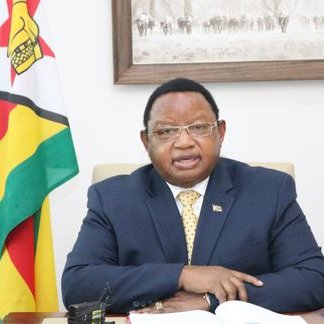
“Sexual harassment in institutions of higher and tertiary education is a gross violation of human rights. It erodes academic freedom, distorts power relations, and creates climates of fear, silence, and exclusion, particularly for women, girls, and other vulnerable groups. This policy is a moral imperative to reshape our academic culture,” said Minister Fredrik Shava.
Sexual harassment is a widespread but underreported problem within Zimbabwean universities and colleges. Harassment affects both students and staff and can take various forms, including verbal and physical abuse, as well as inappropriate relationships between lecturers and students.
Under-reporting is common due to fear of retaliation, lack of awareness about existing policies, and insufficient grievance procedures.
Shava emphasized the importance of the new policy, stating, “It is deeply troubling and entirely unacceptable that spaces designed for intellectual freedom and personal growth have, for some reason, become environments of intimidation and harm. Too often victims are forced into silence, crippled by fear of reprisal and overwhelmed by stigma and let down by inadequate support systems.”
The policy introduces a clear and enforceable framework that defines sexual harassment, establishes accessible and confidential reporting mechanisms, and sets up accountability structures within institutions. It also promotes awareness and prevention education, provides survivor support services, and ensures disciplinary processes are fair, transparent, and consistently applied.
“Institutions will be expected to use this model policy and the benchmark to develop their own context-specific policies, which while maintaining compliance with the minimum standards of outline hearing are enforceable,” Shava added.
Aligned with the Zimbabwean Constitution, international conventions such as the Convention on the Elimination of All Forms of Discrimination Against Women (CEDAW), and the Sustainable Development Goals (SDGs) 4 and 5 which focus on quality education and gender equality the policy encourages higher education institutions to tailor policies that suit their specific contexts while adhering to the outlined minimum standards.
Zimbabwe’s tertiary institutions have been notorious hubs of various forms of abuse and expectations are that this policy will help to deal with this menace.