


By Netshakhuma Muleya
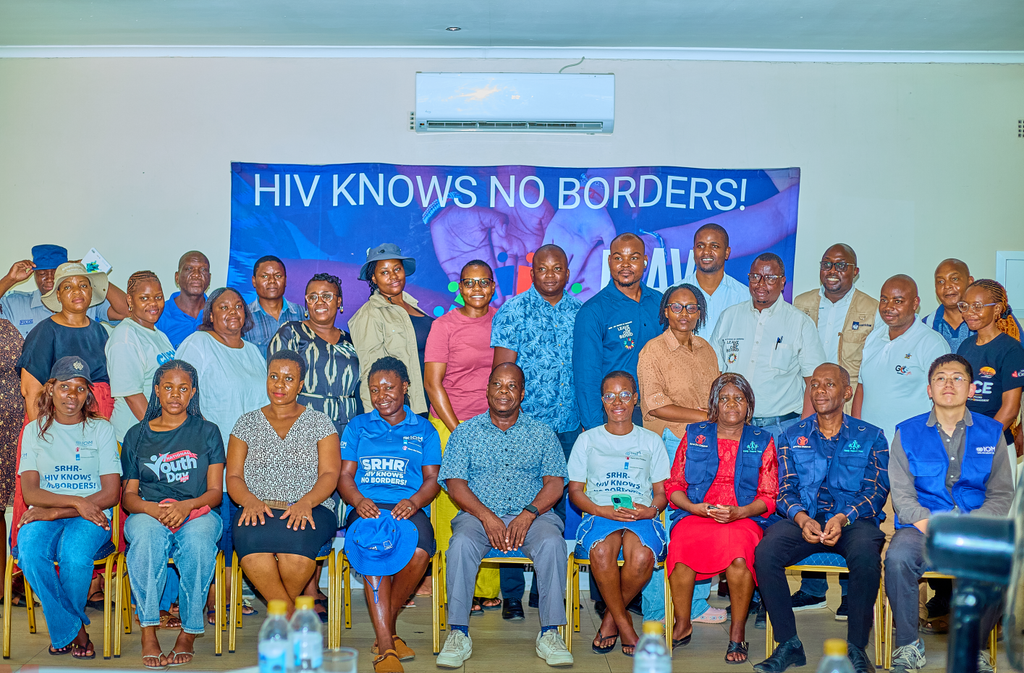
THE IOM HIV Knows No Borders programme has officially ended following a successful run. Partners wrapped up the initiative at a review meeting at Mutsa Guest House on 20 November.
The International Organization for Migration (IOM) and Young Africa Zimbabwe ran the joint programme. It aimed to boost healthcare access across local communities. Services included mobile clinics, free medication, contraceptives, breast cancer screening, and HIV testing.
At the meeting, agents and partners reviewed the project’s strengths, challenges, and overall impact. They also analysed feedback from door-to-door visits and public engagements.
Agents reported that roughly 90 per cent of the women and children approached accepted the awareness sessions. Men, however, largely resisted the outreach.
National Programme Officer Dr Nyashadzashe Makova hailed the programme as a success. He highlighted its vital benefits for rural residents.
“The project was successful judging from the help rural communities received from free medication, contraceptives, breast cancer tests and VIA tests, which could have been costly if they visited general hospitals or private facilities,” Dr Makova said.
Community Behaviour Change Agent Chester Mutupira noted that winning community trust took time. Some residents initially refused to engage during household visits.
“It’s not easy to be accepted by the community. Some would not even respond at homes after they saw us,” she said.
Within a few weeks, however, agents successfully mobilised residents and encouraged participation. Mutupira added that high demand exhausted their supply of family planning tablets early. Some parents even requested referrals after the project ended.
Lisa Chiriga, a Community Behaviour Change Agent for Sexual and Reproductive Health and Rights (SRHR), noted that tough terrain hindered outreach. This was especially true in Chikwalakwala.
“We were not able to serve everyone due to limited time and long distance,” she said.
Chiriga added that women generally welcomed the services, despite some early shyness.
As the programme closes, partners praised its role in raising health awareness. They noted its lasting impact on vulnerable residents in remote areas.