


Culture Reporter
THE Swevhevhe Hills in the south-east of Beitbridge town, ordinarily called Mawale or Nipple Hills, are a sacred place with a rich culture history together with its myths, Ziyah News Network can reveal.
Just like Mount Nyangani, home to Zimbabwe’s highest peak, steeped in local folklore, spiritual beliefs, and mysteries of the mountain that “swallows people”, Swevhevhe, where the big water tank is, has a story to tell.
Nyangani Range, elders and custodians of the mountains where the “sacred” rock outcrop say the key myths and legends is a belief that it swallows people.
Research says the peak is a deeply sacred shrine where rainmaking ceremonies and spiritual communications take place.
Traditional rules dictate that disrespecting the mountain such as wearing red clothing, making loud comments about strange sights, or entering its sacred places without permission from local chiefs can cause people to vanish.
Folklore is convicted and convinced there is ngozi (avenging spirits), zvikwambo (spiritual entities), and a mermaid from Pungwe Falls named Chirikutsi, who reportedly formed a bond with Chief Nyanga and took members of his family into the water.
African traditions and folklore feature several powerful myths and spiritual beliefs surrounding mountain fires, volcanic or glacial elements, and divine presence on high peaks.
And this is not in Zimbabwe or across Africa alone, but worldwide.
Many cultures outside Africa have famous myths, legends, and folklore associated with specific places.
Some famous mythical places outside Africa are the Atlantis first described by the Greek philosopher Plato as said to have vanished into the sea in a single day and night of misfortune.
The El Dorado’ in America has the myth of a tribal chief or king in the Andes who covered himself in gold dust and dove into Lake Guatavita, it evolved into a legendary, entire city or empire made of gold that European explorers searched for centuries to find.
Back home in Zimbabwe at the Njelele Shrine, in the Matobo Hills in the southwestern part the is a famous sacred spiritual central rainmaking shrine tied to the Mwari (Mwali) cult.
Here, the central myth is that Mwari (the supreme deity) or ancestral spirits used to speak directly to mankind from a hidden cave or rock crevice within the granite kopje.
This gentle yet booming voice gave prophecies, guidance, and warnings to chosen supplicants. According to local oral tradition, the voice eventually grew quiet or disappeared because of human disrespect and desecration of the sacred. Legend blames it on the arrival “those without legs” referring to settlers.
In Beitbridge, the myths of the Jompempe Mountain is a culturally significant peak deeply rooted in the indigenous knowledge systems and folklore of the local Venda people.
Jompempe which sometimes disappears in mist is enveloped in several fascinating spiritual beliefs and oral traditions like that it has a voice and directly “speaks” to the Venda community.
Local elders and villagers traditionally believe the mountain communicates warnings, signs, and deep cultural memory to those attuned to its spiritual energy.
Close to the border town there is Swevhevhe which surprised Beitbridge residents over the years with fire at night.
Last week, outside a veld fire deliberately caused, there was a strange fire synonymous with the coming of the rains.
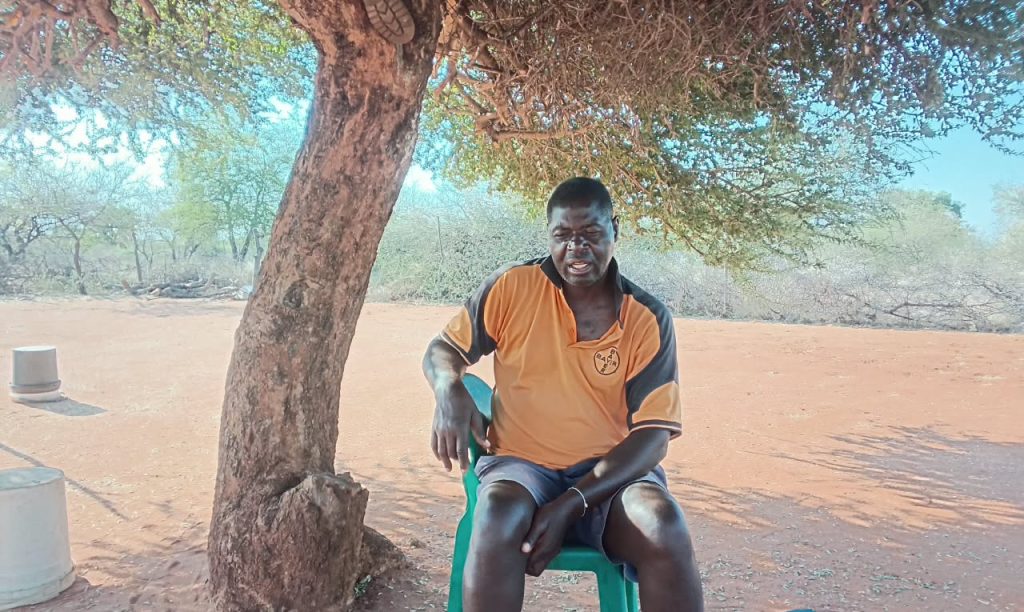
Kraalhead Matshingule Moyo (65) says the hills on the south-east of the border town next to the Government Village where there is a huge water tank are actually a traditionally holy place and sacred.
“Swevhevhe is one of the old Makhakhavhule names related to Tshishanule, and Mulili hills of the old people from Makhakhavhule. These are shrines of the old and people are just disrespecting them to have churches, cloths tied to trees,” he said.
“People used to hear sounds from Swevhevhe and they could go there to get maize which they would eat during drought.,” said Moyo who is a grandchild of the Makhakhavhule clan.
“The fire you see there is a sign of something. Either rains are near or the mountain is angry. People are disrespecting it. It is related to Dulivhadzimo Pool, Njelele and Chief Matibe, the Venda Rainmaker would perform his miraculous ceremonies there,” said Moyo.
He said there are big caves in Swevhevhe and one cannot see far and people do not know what might befall them when they enter those caves,” he said.
“Like now it is the time for rains and the fire you see is different in that if you visit in the day you will not see ashes,” he said.
He asked people to try and have their churches but also observe local culture they hear about the place and the spirits of Makhakhavhule will rejoice.
He said all places near Beitbridge belonged to the clan of HaMatavha who had four wives and most hills around the area were named after people of that clan.
“HaMatavha, my grandfather had four wives. You have heard of Gaka haMakakavhule where the National Railways has its station established. The whites pushed us from the current GMB site and if you see there are many graves around the town. It was indeed our village,” he said.
He also explained Nyamupanza Pool where the existing Beit bridge should have been built but failed because of too many rocks.
The pool there was named after a fisherman Nyamupanza from Malawi who later married a local woman.
“He was Malawian staying at the present day Mujuta, farm, he was a good fisherman, who arrived on his way to the mines in South Africa but he settled and married a Venda woman.”
Kraal head Moyo who recently returned home to assume his title after 38 years in South Africa said he grew up in the Mushambe Protected Village built near Beitbridge at the height of the liberation war.