


By Rex Mphisa

A National Aids Council (NAC), Women’s Affairs, Small and Medium Enterprises Development and Youth Empowerment, Development and Vocational Training ministries collaboration is a likely game-changer in Zimbabwe’s fight to eradicate new HIV infections by 2030.
This suggestion was collectively proposed by Matabeleland South journalists during a five-day tour of NAC’s HIV/Aids intervention projects in Matobo and Beitbridge districts.
At Silozwe in Matobo after attending a session by the vibrant Matuze Men’s Group, NAC provincial manager Mgcini Sibanda and his team including programmes official Wilfred Ngwenya, convened a session for journalists to critic and suggest improvements of the projects.
Sibanda said the session was to inform his organisation on ways to improve the acquittal of NAC’s mandate to coordinate and facilitate the national multi-sectoral response to HIV and AIDS.
NAC was established by an Act of Parliament, its primary goal is to combat the spread of the disease, mitigate its impact, and administer the National AIDS Trust Fund (AIDS Levy).
At this Silozwi session, journalists had already completed facilitated tours of NAC projects in Gwanda, Insiza, Mzingwane, Matobo, Bulilima and Mangwe districts.
It was evident through several one on one interviews, group discussions and projects that NAC initiatives were effective.
NAC focuses on combination prevention, targeted biomedical interventions, and peer-led behavior change with main programmes addressing the needs of vulnerable communities and key populations to drive down new HIV infections in Matabeleland South sitting above national prevalence average.
Key initiatives include the rollout of drugs, peer-led interventions like Sista2sista for adolescent girls and young women, medical reach-outs in collaboration with Ministry of Health and Child Care, Community Antiretroviral Refill Groups (CARGs), Not n My Village, among others.
Target groups have self help projects in the usually dry Matabeleland South Province including poultry, cooking, buying and selling and several other small unsustainable scale ventures, forcing adolescent girls and young women into risky commercial sex behaviour for survival.
“This is where collaboration with government ministries like Women’s Affairs, Small and Medium Enterprises and the Youth Empowerment, Development and Vocational Training will be a game changer. These ministries provide loans for projects and if NAC partners them the landscape of the HIV/Aids interventions will change course positively,” suggested a journalist.
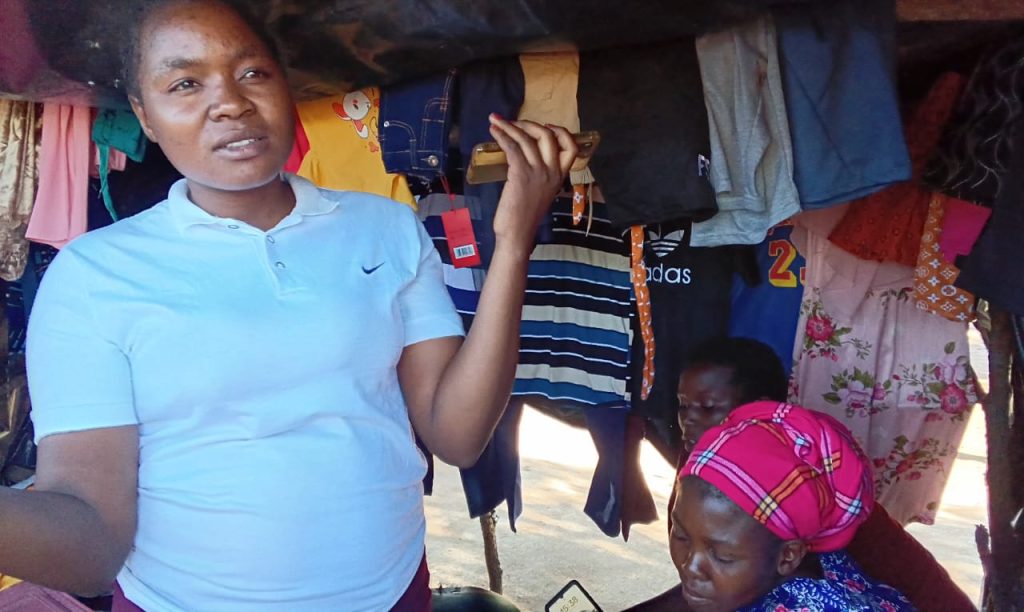
Earlier Lethukukanya Mlilo, the chairperson of Hlonipani young women’s buying and selling and bakery project at Simpane Village near Ratanyana National Shrine journalists saw a determined people without resources or knowledge about Government loans.
“We know nothing about it, we have never been told of its existence,” Mlilo said in the presence of a Ministry of Youth official.
Her club operates in a makeshift shop made of awkwardly cut wood and plastics tied together in an unkempt fashion, but the members are proud of it.
“It keeps us busy, far away from mischief, we will be self reliant with time. We earned R1 800 after a netball tourney and we invested here,” she said.
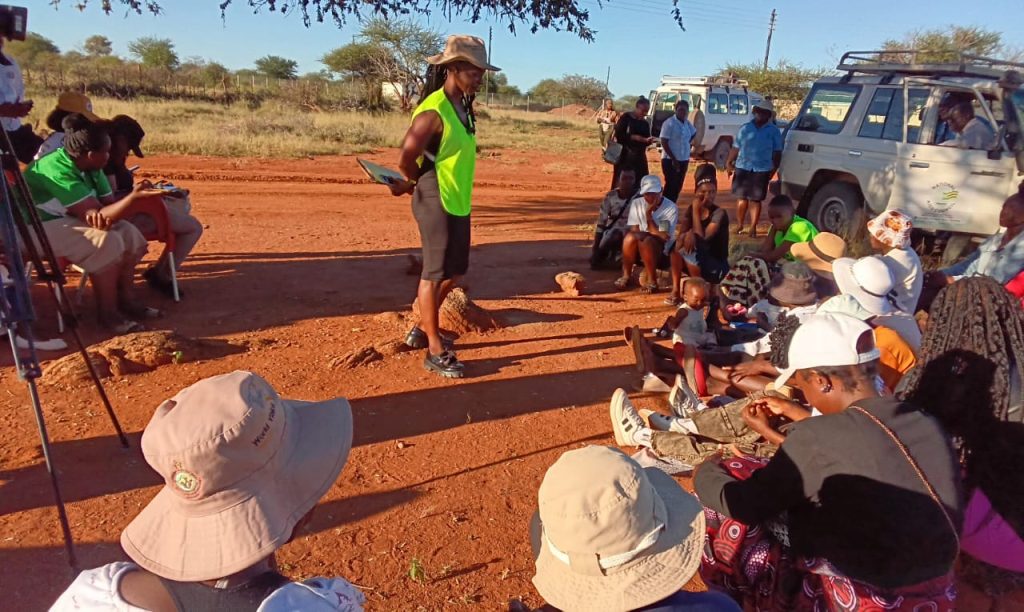
A similar situation is at Ratanyana School where a Sista2Sista club led by mentor, Lomaqikiza Dube, 30, has a poultry p4oject with 50 chickens translating to one for each of the 50 members, plainly not viable.
Yet in Zimbabwe, the Ministry of Women Affairs, Community, Small and Medium Enterprises Development (MWACSMED) empowers women through the Women’s Development Fund (WDF) and the Zimbabwe Women Micro-finance Bank (ZWMB).
These project loans target individuals and registered women’s groups engaged in agriculture, cross-border trade, and SMEs.
The loans were established specifically to address the lack of collateral and high interest rates faced by women.Where to apply: Administered by the Ministry and disbursed through the People’s Own Savings Bank (POSB).
What is required are completed WDF application forms, certified National IDs of members, cash flow projections, proof of residence, a project proposal, and a signed group constitution which NAC and the ministries can facilitate.
At the Zimbabwe Women Microfinance Bank (ZWMB) loans were specifically created to assist women in accessing funding for small and medium-scale projects, with a strong emphasis on cooperative and group-based borrowing, under which those in NAC projects qualify.
Similarly some loans are primarily accessed through the Ministry of Youth Empowerment, Development and Vocational Training in collaboration with Empower Bank, Zimbabwe’s specialized youth and deposit-taking microfinance bank.
These initiatives can support men’s projects in a well calculated collaboration between the organisations and NAC.
Sibanda said it was worth noting and following up.
NAC has created more than 100 groups across Matabeleland South and the proposed approach is certain to bear fruit in the province where only one group in Mangwe is self sufficient and loans members cash during festive seasons.