


By Chantelle Muzanenhamo
The South African government has extended the validity of the Zimbabwe Exemption Permits (ZEP) by 18 months, moving the expiry date from November 28, 2025, to May 28, 2027.
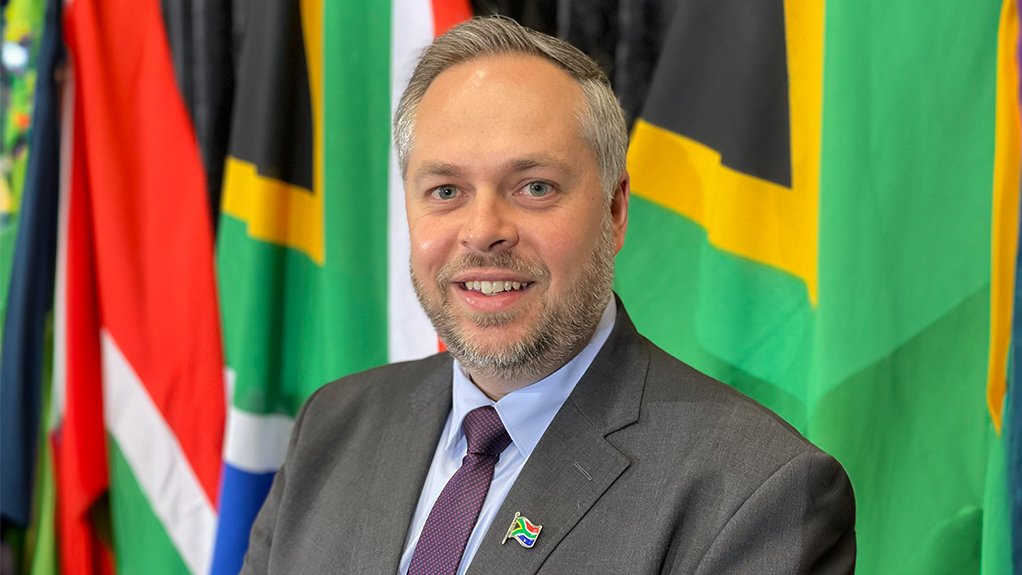
The announcement was made by Home Affairs Minister Dr. Leon Schreiber in Immigration Directive No. 21 of 2025 published in the Government Gazette on October 7, 2025.
According to the directive, the extension allows Zimbabwean nationals currently under the ZEP programme to remain in South Africa legally while the Department of Home Affairs conducts consultations with key stakeholders on the long-term future of the permit system.
Dr. Schreiber said the Immigration Advisory Board (IAB) has been tasked with deliberating on sustainable solutions for ZEP holders and will lead a broader consultation process to determine the way forward.
“Pending the conclusion of consultations, existing ZEPs shall be deemed to remain valid for an additional eighteen months after the current expiry date of November 28, 2025,” the minister said in the notice.
The extension comes as part of the South African government’s effort to comply with a Gauteng High Court directive, which required the department to conduct proper consultations before making any final decision on the programme.
During the extension period, ZEP holders will remain protected from deportation and may continue to apply for other visa categories under South Africa’s immigration laws.
The Zimbabwe Exemption Permit was introduced in 2017, succeeding earlier schemes such as the Dispensation for Zimbabwe Project (DZP) launched in 2009 and the Zimbabwe Special Permit (ZSP) in 2014.
These initiatives were created to regularize the stay of Zimbabweans who fled their country due to economic collapse, political instability, and social unrest.
The permits allowed beneficiaries to live, work, and study legally in South Africa, although they did not lead to permanent residence or citizenship.
Over the years, the programme has become a lifeline for an estimated 180,000 Zimbabweans, while millions more live in South Africa either through other visa categories or without documentation.
Many have built lives and families in the country, contributing to the workforce and economy in sectors such as construction, retail, and domestic work.
Human rights groups and migration experts have consistently called for a humane and predictable policy approach that balances South Africa’s immigration control with regional solidarity and humanitarian considerations.