


By Ziyah News Network
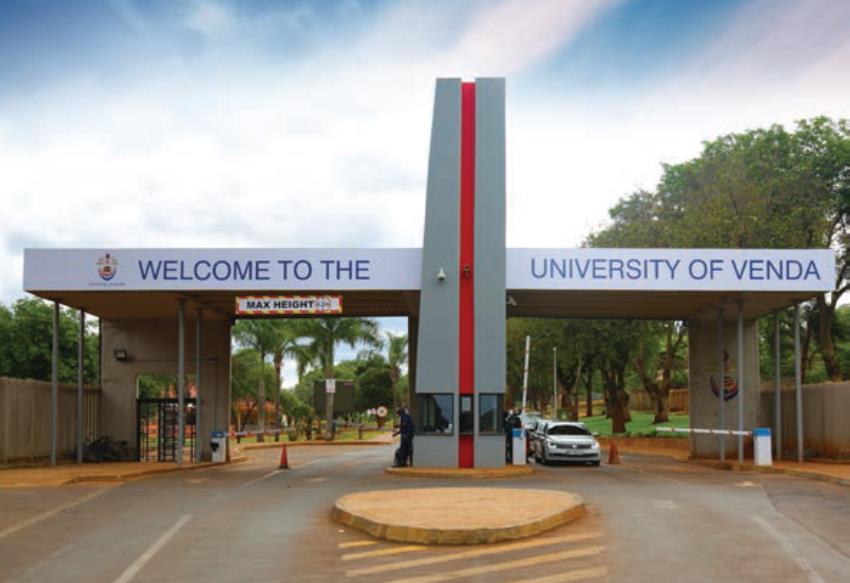
TSHIVENDA lecturers from the University of Venda (UNIVEN), along with language practitioners and students, recently gathered at the Premier Hotel in Thohoyandou to discuss the revival and standardisation of the Tshivenda Orthography and Spelling Rules.
According to media reports, Dr Shumani Tshikota, chairperson of the board of the Tshivenda National Lexicography Unit, said the meeting brought together language specialists, academics, practitioners and other stakeholders to critically engage with the rules governing the writing and spelling of Tshivenda.
Tshikota is quoted saying the central purpose of the colloquium was to review the existing Tshivenda orthography and spelling rules.
Of particular interest was the 2019 edition of Milayo ya Kupeleṱele na Kunwalele kwa Tshivenda, and identifying areas that may require clarification, correction, harmonisation or further linguistic investigation.
Tshikota said the colloquium was not intended to suggest that the entire orthography system was problematic.
The 2019 booklet remains an important standardisation resource, with the discussion focusing on its strengths as well as areas where users have experienced uncertainty, inconsistencies or different interpretations.
“The main objectives of the meeting were to review linguistic, editorial and structural issues identified in the existing orthography and spelling rules, distinguish ordinary editorial matters from issues requiring formal linguistic resolutions; promote consistency in Tshivenda spelling and writing; discuss principles relating to word formation, conjunctive and disjunctive writing, punctuation, capitalisation, adoptive words and other orthographic matters,” said Tshikota.
He said the participation of UNIVEN students studying Language Practice was important because they are future practitioners of the language.
Locally dome Beitbridge residents have been vocal about inconsistences in the spelling of Tshivenda words and names and blame has been heaped on people from other languages particularly Shonas and Ndebeles stationed at local registry offices.
Words like Dulivhadzimu have particularly been a source of debate where others have criticised the spelling at times written as “Dulibadzimu” which refers to a sacred pool in the Limpopo once famous for preliminary rain-making ceremonies.
Some conversations on spelling mistakes have often degenerated into unnecessary hate speeches despite the dynamism of all languages often picking slang names.
According to research, languages constantly pick up foreign words as part of their natural evolution and dynamic interaction with other cultures.
When groups trade, migrate, or share new technologies, words travel alongside ideas and fill gaps in the local vocabulary.
Matabeleland South, in particular Beitbridge, different peoples of Zimbabwe’s 16 official languages co-exist at the country and region’s busiest and model border post and the likelihood certain words might be adopted in different languages is high.
Limpopo Mirror/Rex Mphisa