


By Patience Gondo
IN the bustling heat of the border town of Beitbridge, where the dust of heavy trucks meets the hum of trade, stands a man whose life is a bridge between two worlds.
Kainos Hove does not wear a white lab coat.
He does not carry a stethoscope for his trade.
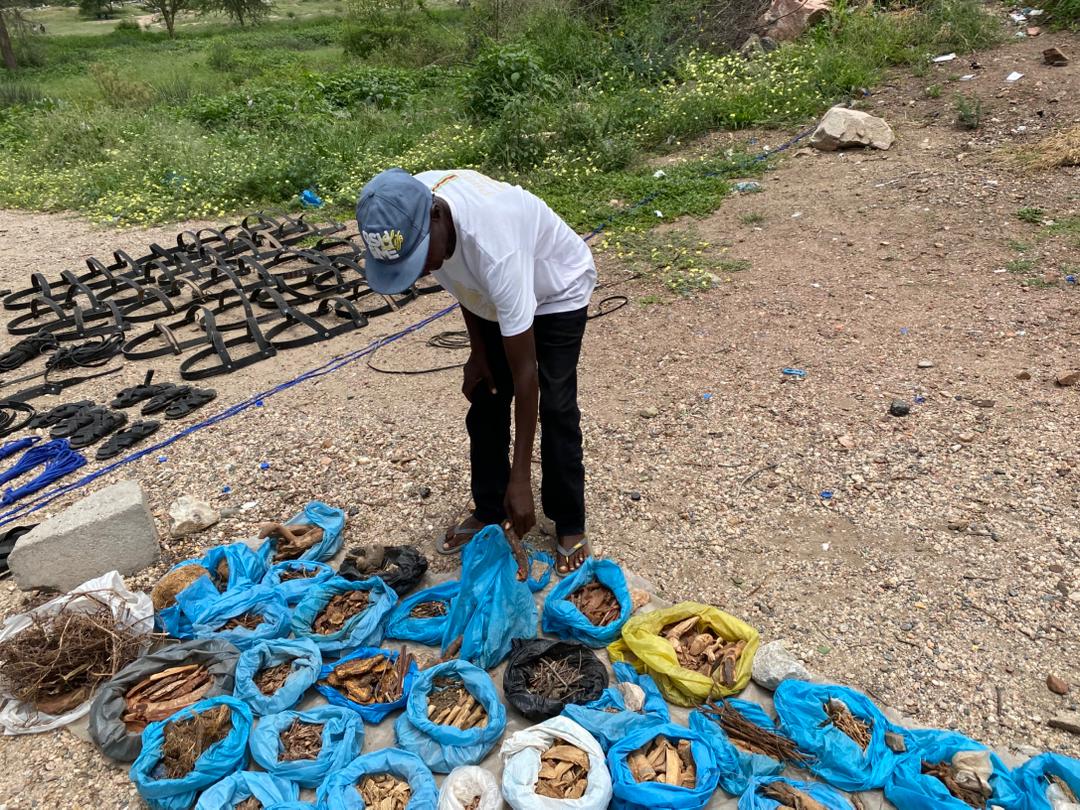
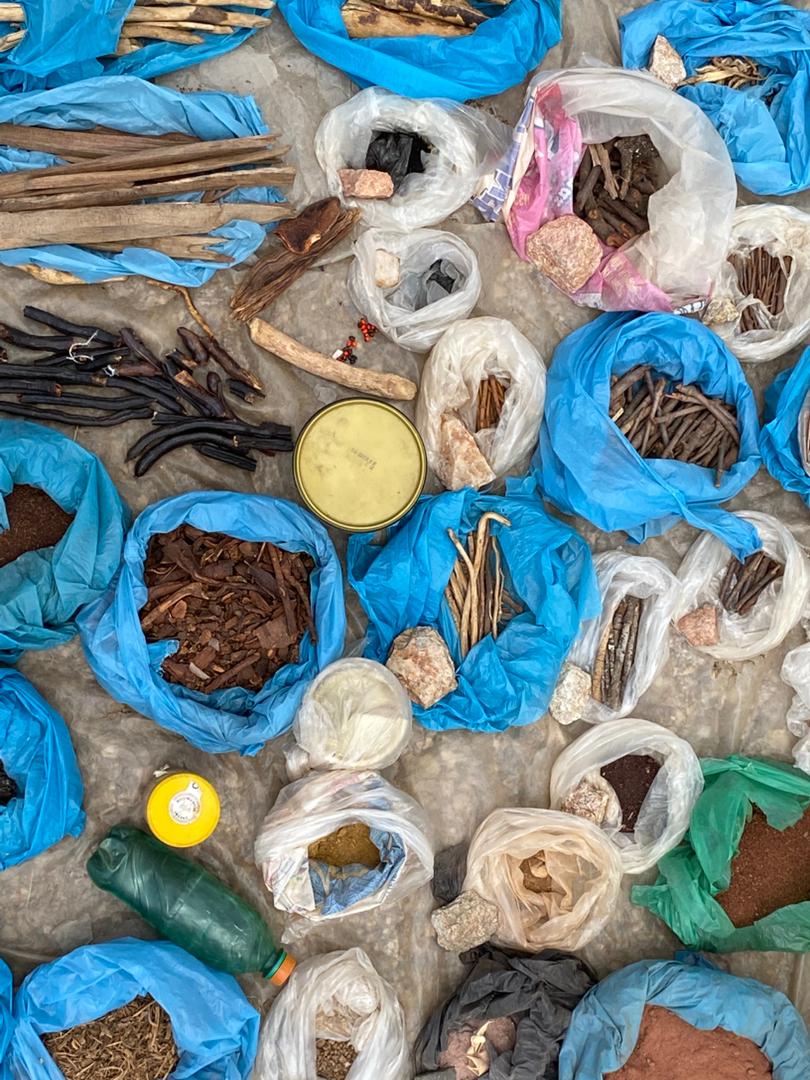
Instead, he sits opposite the town centre surrounded by the earthy scents of roots, barks, and leaves, tools of his new found trade.
Far away from the noises of guns, the whispers of comrades in the guerilla warfare of hit and run, his new life seeks to restore health.
Born in 1958 in the rugged terrain of Mberengwa Buchwa, Hove is a man of quiet intensity.
He is a liberation war veteran, one of the many who stuck out their necks for the freedom of Zimbabwe.
But today, his battle is fought against illness rather than human enemies.
His journey into herbalism was not a choice made in a classroom.
It was born in the trenches of the liberation struggle in 1978.
“I started this journey during the war,” Hove said.
“I would dream. When a fellow soldier or a member of our group fell sick, the spirit would show me the specific herb to find in the bush.”
Since the year 2000 Hove has been a permanent human feature in Beitbridge.
For over two decades, he has been the primary healthcare provider for thousands who feel left behind by modern medicine.
For some, he believes, its by choice, others are driven by the high prices in modern pharmacies many cannot reach and rhe scarcity of medication from the Government health centres.
His conviction is absolute.
At 68 years old Hove claims he has not touched a scientific pill in 26 years.
“I have earned my living through these herbs,” he says, gesturing to his stall.
“My health and my life belong to the earth.”
His reputation has crossed the Limpopo River.
It is not uncommon to see luxury vehicles with South African plates parked near his stall. People travel hundreds of kilometers to seek his counsel.
Among his most sought after remedies are Miroro and Masungure.
“Miroro is powerful; it chases away the spirits of the devil that haunt the mind,” Hove said .
“And Masungure is for the body. It cures the sick and restores strength.”
Hove is part of a larger vibrant ecosystem of traditional healing in Beitbridge.
Near the border post an old man sells mushonga wemusana (for sexual prowess) to weary travelers and active drivers.
Further down at Tshitaudze, another man sells “madhoti ekwirimba” pigeon droppings used in traditional love portions.
This reliance on the pharmacy of the soil is not just about nostalgia. It is about survival.
With the rising cost of conventional drugs many locals find the pharmacy shelves out of reach.
According to the World Health Organization (WHO) nearly 80% of Zimbabweans rely on traditional medicine for primary care.
As the sun sets over the border town Hove packs his bags ready to return tomorrow. He remains a soldier no longer for a country but for the health of a community that trusts the earth more than the pill.