


By Chantelle Muzanenhamo
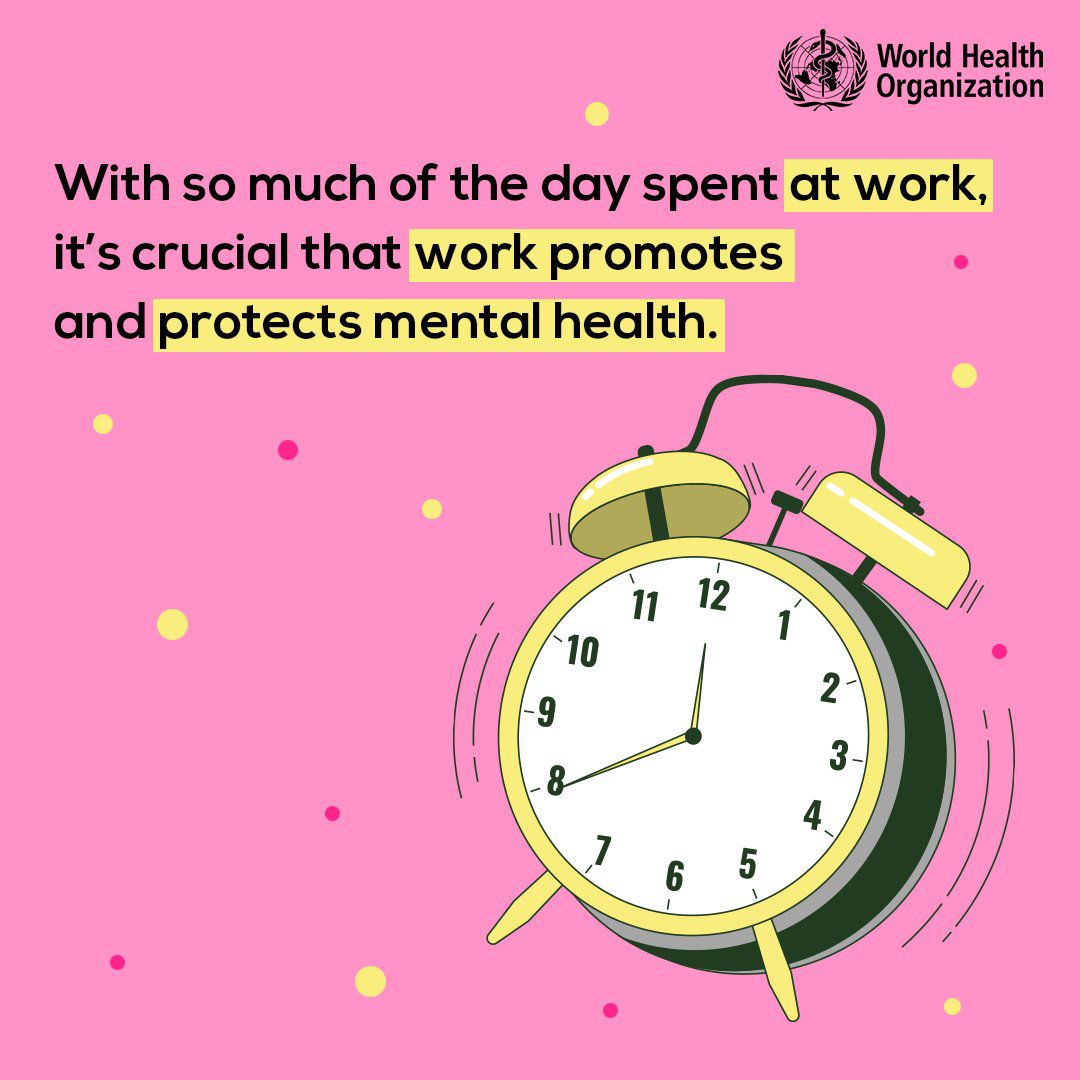
As the world marks World Mental Health Day, the World Health Organization (WHO) has called for a united effort among governments, employers, labour organisations, and other stakeholders to address mental health challenges in the workplace.
This year’s theme, “Mental Health at Work,” underscores the critical need for collaborative strategies that foster environments conducive to the mental well-being of millions of workers worldwide.
Since its inception in 1992, World Mental Health Day has focused on raising awareness and reducing stigma related to mental health. With approximately 60% of the global population now in employment, WHO emphasizes the urgent requirement for comprehensive approaches to protect mental health at work. Poor workplace conditions including stigma, discrimination, and harassment can significantly impact individuals’ mental health, diminishing their quality of life and productivity.
“The importance of collaboration cannot be overstated. Addressing mental health at work requires sustained action from multiple sectors. Governments, employers, and labor organizations must unite to create supportive and healthy work environments,” states WHO.
To effectively implement these strategies, WHO highlights the necessity for stakeholders to engage directly with workers and their representatives, ensuring that those with lived experiences of mental health issues are included in developing solutions
In Zimbabwe, mental has become a cause for concern as instances of abuse and sexual harassment in the workplace occasionally make headlines, often without revealing details about the victims due to privacy laws. It is these kind of happenings that are fueling mental health issues in the workplace.
Reports have emerged indicating that male supervisors in internship programs have made inappropriate advances or exploited young women seeking employment. Furthermore, female healthcare workers, particularly nurses, have also reported harassment from male doctors and patients. Even those seeking nurses training placements have not been spared, a situation calls on the Government to further intervene to protect the mental health of employees.
Although the Zimbabwean government has made progress in addressing workplace harassment through laws and policies, challenges with enforcement and awareness persist. Many organizations lack comprehensive sexual harassment policies or training programs, leaving employees unclear about their rights and the procedures for reporting harassment. Additionally, institutional response mechanisms are often inadequate, with victims experiencing insufficient support from management when incidents are reported. Even though sexual harassment is one of the key causes of mental health issues in the workplace, other causes include bullying, body shaming amongst a host of
Given these challenges, there is a pressing need for strategies aimed at curbing harassment and promoting mental health awareness in the workplace. It is essential that stakeholders join forces to create safer, more supportive work environments that prioritize the mental well-being of all employees.