


By Patience Gondo
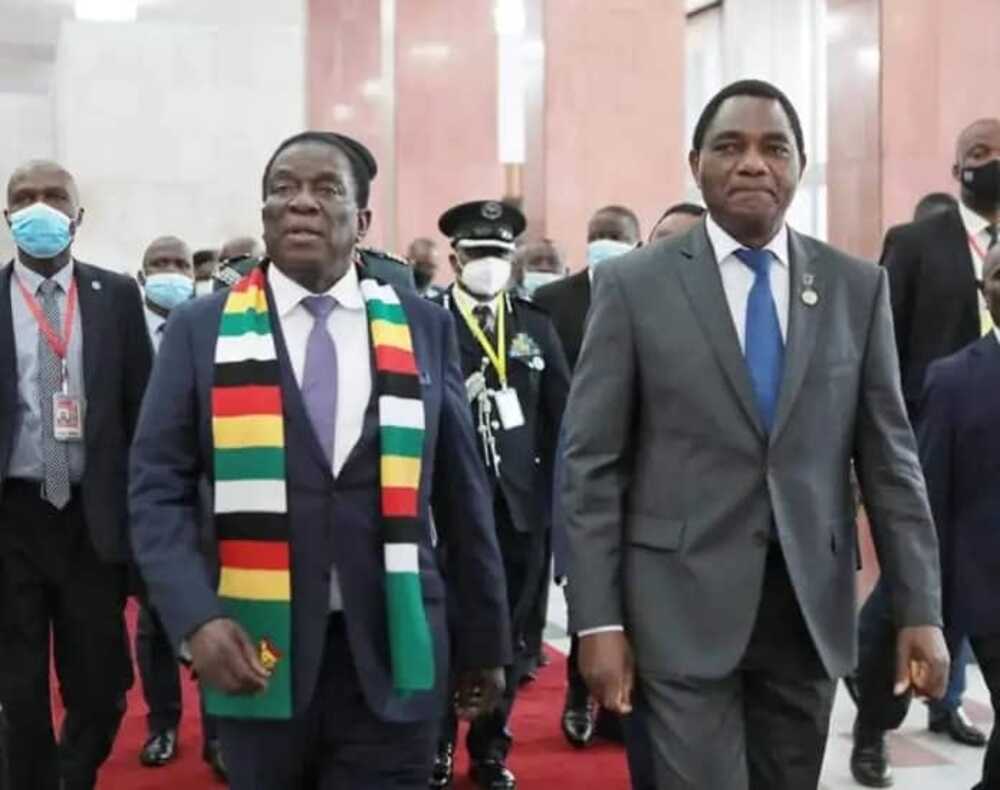
A new phase of high-stakes cooperation between Zimbabwe and Zambia was set in motion on Friday as President Emmerson Dambudzo Mnangagwa and his Zambian counterpart, Hakainde Hichilema, opened the inaugural Zimbabwe–Zambia Bi-National Commission (BNC) in Harare.
A meeting that signalled a decisive shift toward large-scale joint projects in transport, energy and mining, with implications for the entire SADC region.
The meeting preceded by Mnangagwa’s keynote address, marked the first time the two neighbours have elevated their cooperation to a fully fledged BNC a diplomatic structure used only for countries with the highest level of bilateral engagement.
Mnangagwa said Zimbabwe and Zambia could no longer afford slow progress on shared economic ambitions, declaring that their natural resource endowments must benefit our two economies and primarily our people.
His remarks came as the two governments prepare to sign multiple agreements and memoranda of understanding across key sectors, signalling movement on long discussed but long delayed joint projects.
One of the most closely watched is the Lion’s Den–Kafue Railway Project, a proposed cross-border line expected to open new trade routes, ease congestion at Chirundu and modernise regional freight movement.
Mnangagwa said the railway is critical, urging ministries and agencies to work tirelessly to move the project forward.
The BNC also placed heavy emphasis on energy cooperation, with both countries facing rising demand driven by industrialisation.
Zimbabwe and Zambia jointly operate the Kariba Hydropower Station Africa’s largest man-made reservoir which has struggled with reduced water levels in recent years due to climate shocks.
Mnangagwa’s call for accelerated work on infrastructure and climate resilient systems echoed long standing SADC warnings on energy insecurity.
Agriculture featured prominently, with Mnangagwa outlining Zimbabwe’s push toward large scale irrigation, small holder empowerment through one-hectare irrigation kits, and nationwide borehole drilling across 35,000 villages.
He said the country had achieved household food security and was shifting to value addition and beneficiation of unprecedented surpluses.
On mining, Mnangagwa said officials should focus on new generation minerals linked to the global green-energy transition, signalling that the two countries could jointly position themselves in fast growing battery mineral value chains.
Zambia hosts some of Africa’s largest copper reserves, while Zimbabwe holds significant lithium deposits a combination viewed as potentially transformative if jointly developed.
Tourism cooperation centred on the shared UNESCO World Heritage site Mosi-oa-Tunya/Victoria Falls where Mnangagwa urged harmonised marketing and product development to maximise arrivals and ensure positive spill offs accrue to communities.
Security concerns were also elevated, with Mnangagwa saying there is need for vigilance amid rising threats including terrorism drug trafficking and cybercrime.
He referenced the March 2025 Joint Permanent Commission on Defence and Security, saying defence collaboration is essential for the stability required to anchor economic growth.
Regionally, Mnangagwa expressed concern over continued conflict in eastern Democratic Republic of Congo (DRC), which has dominated SADC’s peace and security agenda for years.
He said lasting peace remained a priority,positioning Zimbabwe and Zambia as key voices within the bloc.
Zimbabwe’s government has been repositioning itself following the success of its 2024–2025 engagement and re-engagement drive, punctuated by Harare’s hosting of the 44th SADC Summit earlier this year.
Mnangagwa publicly thanked Zambia for its support during the summit.
The two leaders are expected to witness the signing of several agreements before the Commission closes, setting the stage for what could become one of the most consequential phases in Zimbabwe–Zambia relations in decades with mega-projects whose success or failure may test the political resolve on both sides of the Zambezi.