


By Patience Gondo
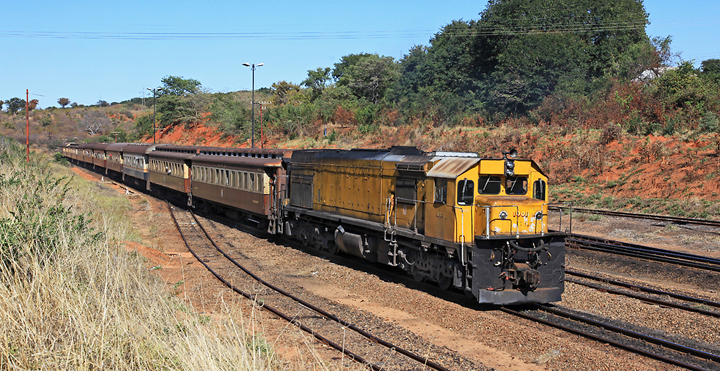
ZIMBABWE Government is accelerating efforts to shift heavy cargo from roads to rail, to ease pressure on recently rehabilitated highways.
The move comes after significant investment in the country’s road network in recent years, which has seen major highways upgraded to improve transport and trade.
The growing number of heavy trucks carrying bulk goods is now threatening to damage the roads before they reach their expected lifespan.
Permanent Secretary in the Ministry of Transport and Infrastructural Development, Engineer Joy Makumbe, said government is prioritising the revival of the National Railways of Zimbabwe (NRZ) to address the problem.
“Right now, NRZ is looking at resuscitating the rail network in Zimbabwe, they are actually seized with this issue and have promised that by the end of the year, at least they will be somewhere,” Makumbe said.
Zimbabwe’s rail system was once the backbone of cargo transport, moving large volumes of minerals, fuel and agricultural produce across the country and into the region.
However, years of underinvestment, ageing infrastructure and operational challenges led to a sharp decline in rail usage, forcing most freight onto roads.
As a result, highways have carried the burden of heavy cargo traffic, accelerating wear and tear despite ongoing rehabilitation works.
Government is now working to restore key rail corridors, including routes linking Bulawayo to regional trade routes and ports in Mozambique such as Beira, which are critical for exports.
Makumbe said without shifting bulk freight to rail, the country’s road infrastructure designed to last up to 20 years may deteriorate much sooner.
To enforce the transition, Makumbe said government will introduce a Statutory Instrument once the rail system is sufficiently operational, restricting certain types of cargo from being transported by road.
“We are going to put an SI once the rail is in place that stops certain cargo to be on our roads and to be on rail,” she said.
Zimbabwe is also strengthening regional cooperation to support the rail revival.
Memorandums of Understanding have been signed with Botswana and Mozambique to rebuild cross-border rail links and improve access to seaports.
If successful, the shift is expected to reduce pressure on roads, lower transport costs and improve the movement of goods, although the pace of implementation and funding for rail rehabilitation remain key factors to watch.