


By Rex Mphisa
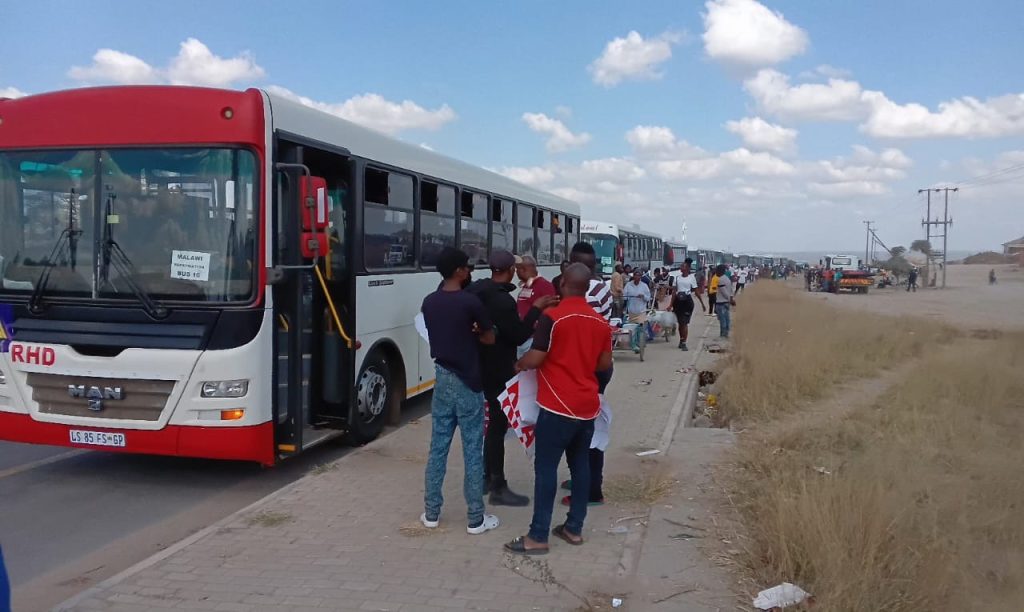
SOUTH Africa’s failure to manage vigilantism has backfired and cost that country about US$20 million repatriation costs for ejected foreign nationals to different African countries.
Some of the countries have now rejected and distanced themselves from the R292.77 million claims (US$18.5 maintaining they funded their citizens journeys back home after hostilities soared in that country.
According to media reports, Pretoria faced resistance from Ghana and Nigeria over its attempts to recover about $18.5 million spent on repatriation of foreign nationals.
Both countries disputed SA’s position on the costs of returning their citizens.
Ghana totally refused any responsibility for SA’s claimed costs, saying it funded its own citizens’ evacuation.
The discrepancies between SA and Nigeria’s accounts highlight diplomatic tensions and confusion over the reimbursement demands, according to the (British Broadcasting Corporation (BBC).
Pretoria’s Home Affairs claims it incurred about R292.77 million ($18.5 million) in repatriation-related costs, way above R60 million budget for deportations.
The countries explicitly named by Pretoria as having benefitted are Nigeria, Malawi and Ethiopia while Zimbabwe closest to SA in the north, Lesotho and Mozambique are not mentioned.
Media reports said SA’s Home Affairs department had written to Malawi’s government and the Nigerian and Ethiopian embassies through its Department of International Relations & Cooperation (DIRCO) requesting reimbursement.
Nigeria, however, says it has not received any formal demand for payment. Nigerian Foreign Ministry spokesperson Kimiebi Imomotimi Ebienfa told the BBC on Wednesday: “We never received any request.”
Nigeria’s Consul General in South Africa, Ninikanwa Okey-Uche, also told the BBC that she had not received such a request from the South African government.
The response creates a discrepancy between Pretoria’s account that reimbursement requests have been communicated through diplomatic channels and Abuja’s position that no such request has reached its foreign ministry or diplomatic mission.
Ghana explicitly rejected any responsibility for South Africa’s repatriation costs, stating it funded its own citizens’ evacuation.
In a statement issued late Thursday, Ghana’s Foreign Ministry said it took SA’s demand for about $18 million from several African countries for support and facilitation provided during the evacuation of foreign nationals.
But Accra rejected any suggestion that South Africa should be reimbursed for the evacuation of Ghanaian nationals.
“The evacuation of all our compatriots was fully funded by the government of Ghana and our Ghanaian partners. Ghana did not seek any financial or material support from the South African government to bring our fellow nationals back home,” the ministry said.
The Ghanaian government went further, assuring its citizens that “under no circumstances will Ghana be listed among the countries being requested by the government of South Africa to reimburse the cost incurred in repatriating foreign nationals.”
The statements from Accra and Abuja come as South Africa faces the financial consequences of a major increase in immigration enforcement and repatriation activity.
Pretoria has described the expenditure as an unexpected burden on the Home Affairs budget, with transportation, accommodation, staffing and other operational costs contributing to the sharp increase in spending.
The government is seeking to recover some of those costs from countries whose nationals were among those returned.
However, the responses from Ghana and Nigeria could complicate that effort and raise broader questions about the financial responsibility for repatriation operations carried out by one African country
Over 178,000 African migrants fled or were forced out of South Africa following a wave of anti-immigrant protests, door-to-door intimidation, and vigilante pressure.
Neighboring governments, including Zimbabwe and Malawi, have managed massive repatriation inflows while President Cyril Ramaphosa condemned the extra-judicial actions of citizen-led groups.
This flight has caused severe labour shortages on farms and agricultural estates, leaving crops rotting, disrupting seasonal harvests, and pitting industry demands for migrant workers against local employment and union campaigns.