


By Patience Gondo
The Municipality of Beitbridge (MOB) has released its 2025 Half-Year Economic Review, reflecting cautious optimism as Zimbabwe’s new currency, the Zimbabwe Gold (ZiG), stabilizes the economy after years of turmoil.
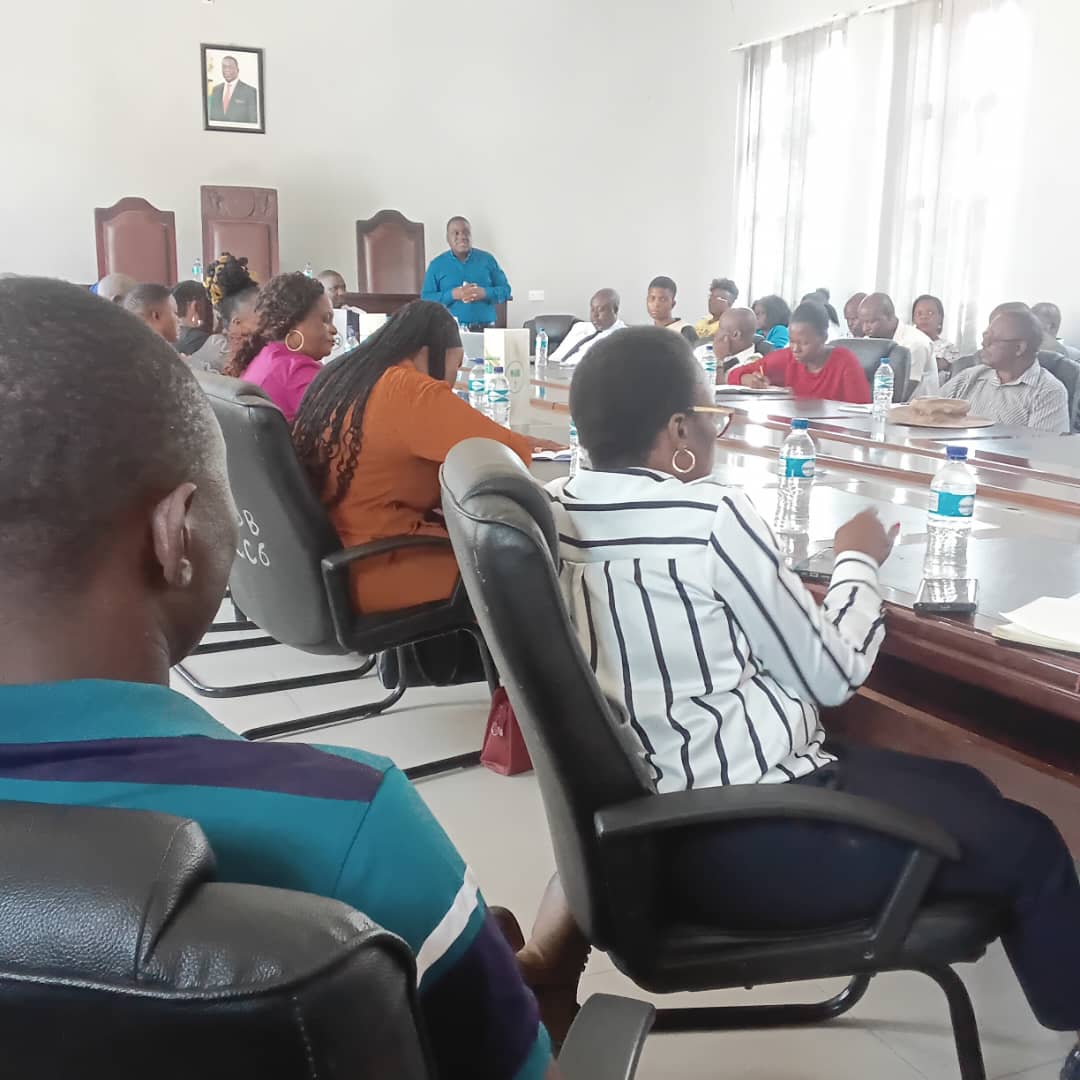
During the Beitbridge Mid-Term Budget review held on Tuesday acting finance director Doubt Moyo said the introduction of ZiG has renewed hope for the country’s financial landscape.
“After more than two decades of instability, public confidence in the local currency has significantly improved,” Moyo said.
Moyo said that the ZiG remained stable, averaging 26.7 against the US dollar throughout 2025, a marked improvement compared to previous fluctuations.
The monetary stability has led to broader economic gains.
Month-on-month inflation dropped to 0.3% in June 2025, indicating steady progress toward price stability.
The gap between the official and parallel foreign exchange markets has also narrowed, with the formal rate at USD1:ZiG26.7 and the alternative market rate at USD1:ZiG32.
This convergence signals improved market confidence and reduced opportunities for arbitrage.
The MOB has cleared its ZINWA debt, which had previously led to low water supply for residents.
“As of January 1, 2025, the debt was approximately 3.2 million ZiG and was cleared by the end of August 2025,” Moyo said.
Significant progress has been made in stabilizing the economy, thanks to tighter monetary controls and increased transparency in currency allocation.
The stability has come with trade-offs, particularly in social sectors that continue to suffer from limited fiscal resources, said Moyo.
“It’s extremely difficult for the government to improve social service delivery. Prioritization remains key,” he said.
Moyo led pictorial evidence of ongoing infrastructure development during the budget review, including renovations at Madinginye and Dulibadzimu clinics, the construction of public toilets in Hambedzi, and pothole repairs throughout the town.
Despite these advancements, MOB Town Clerk Loud Ramakgapula said that these projects were funded from internal resources, as the municipality did not receive any devolution funds for the year.
Moyo further said the rising debt among ratepayers is a major challenge.
“The failure of residents and businesses to pay for services on time is choking cash flows and affecting budget execution,” he said.
The council is also burdened by substantial debt, particularly in statutory obligations, currently owing ZIMRA over ZWG 2 billion.
“This situation threatens the municipality’s long-term financial sustainability if not addressed,” Moyo said.
Looking ahead, Moyo forecasts economic growth to rebound to 5% in 2026, recovering from a slowdown to 1.7% in 2024, largely due to severe drought conditions.
“The 2025 recovery is supported by better climate conditions, record gold prices, and strong worker remittances,” Moyo concluded.