


By Chantelle Muzanenhamo
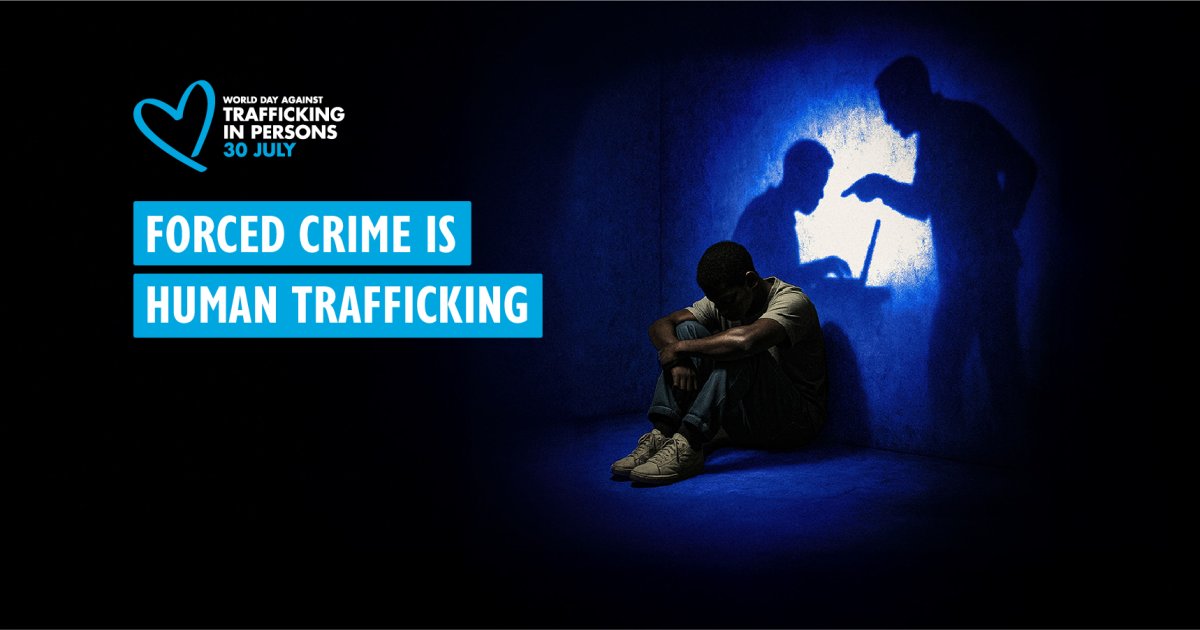
Harare – Zimbabwe today joins the international community in commemorating the World Day Against Trafficking in Persons, also known as Blue Day, under the theme “Human Trafficking is Organised Crime – Stop the Exploitation.”
The day, designated by the United Nations, is a global call to action to raise awareness, promote vigilance, and mobilise efforts to combat the persistent scourge of human trafficking.
In a statement released by the Ministry of Information, Publicity and Broadcasting Services, Chief Director Jonathan Gandari underscored the gravity of the issue, stating that Zimbabwe, like many other nations, is not immune to the crime.
The country continues to serve as a source, transit, and destination point for victims most of whom are women and children lured into forced labour or sexual exploitation.
“Human trafficking is a heinous crime that affects people across all social classes. Zimbabwean victims are often exploited in sectors such as agriculture, construction, hospitality, and information technology primarily in neighbouring countries,” the statement read.
According to United Nations figures, an estimated 27 million people globally are currently trapped in forced labour and commercial sexual exploitation. Traffickers often use deception, coercion, or outright force to entrap their victims, exploiting them in settings ranging from fields and factories to homes and online platforms.
The rise of digital tools has further complicated the fight against trafficking. Online platforms, including dating apps and classified ad sites, are increasingly being used to lure victims, while encrypted communication and digital currencies enable traffickers to evade law enforcement and form elaborate cross-border networks.
“These crimes leave long-lasting physical and psychological scars on survivors,” Gandari noted. “As a nation, we must stand firm in rejecting this exploitation.”
Zimbabwe’s efforts to combat trafficking are guided by a comprehensive national strategy grounded in the internationally recognised “4 Ps” framework: Prevention, Protection, Prosecution, and Partnerships.
In 2014, Zimbabwe domesticated the Palermo Protocol through the enactment of the Trafficking in Persons Act (Chapter 9:25). Most recently, the government launched the National Plan of Action Against Trafficking in Persons (NAPLAC) 2023–2028, aimed at coordinating national efforts to combat trafficking more effectively.
This year’s national commemoration events are being held in Bindura, Mashonaland Central Province, as part of government efforts to decentralise national observances and promote community-level engagement.
The Ministry urged all Zimbabweans to take an active role in combating human trafficking by, Preventing trafficking through education and awareness, Protecting vulnerable individuals and survivors, Prosecuting those involved in these crimes, and
Partnering with communities, traditional leaders, and civil society to build stronger protective networks.
“There is no better time than now to stand united against human trafficking,” said Gandari.
“This crime is cruel, exploitative, and inhumane. Together, we must stop the exploitation.”