


By Patience Gondo
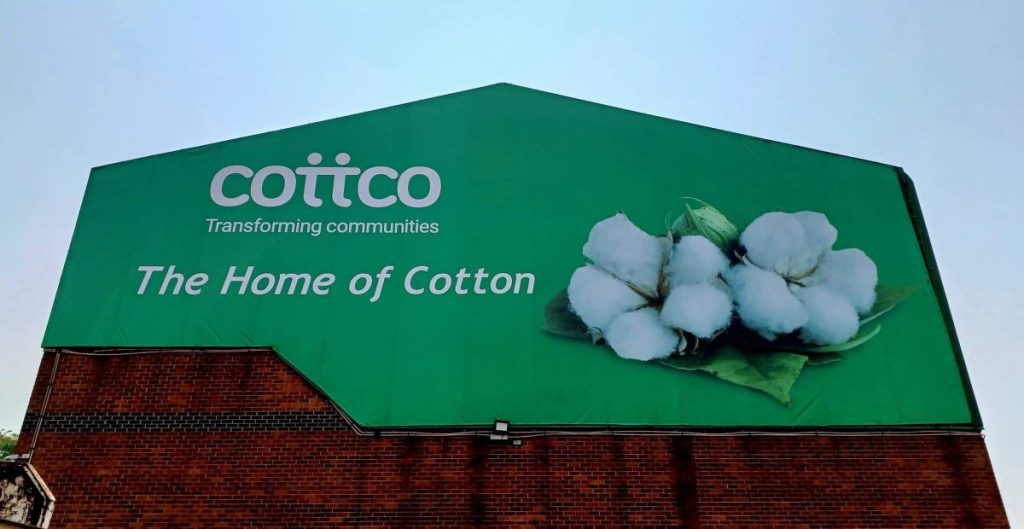
ZIMBABWE’s cotton sector is under pressure after government said the main company, Cotton Company of Zimbabwe (Cottco) is making losses and struggling to remain viable.
Mutapa Investment Fund chief executive John Mangudya told Parliament the cost of producing cotton is now higher than the money being earned from it, making the business model unsustainable.
He said Cottco is heavily indebted and facing serious liquidity challenges, forcing government to consider difficult options on how to manage the sector.
Mangudya said authorities must now decide whether to continue funding cotton production, prioritise paying farmers or focus on servicing debts.
“As long as the input cost is higher than the value being generated, there is a problem,” he said.
“If you were running a business, would you continue putting money into it, or step back and reassess?”
He said government has been supporting cotton production over the years, but returns have remained weak.
As a result, Cottco has been placed under voluntary corporate rescue to try and stabilise its operations, reorganise its finances, and improve viability.
The move has raised concern among lawmakers, who say farmers are the most affected.
Rushinga MP Tendai Nyabani said cotton growers are facing delays in payments and uncertainty over pricing, despite being central to the industry.
He said farmers continue to bear the burden of the sector’s financial problems, even though government has introduced support schemes to boost production.
Zimbabwe’s cotton industry, once a strong export earner, has declined significantly over the years.
In the late 1990s and early 2000s, the country produced more than 350,000 tonnes of seed cotton annually.
Production has since fallen sharply, at times dropping below 30,000 tonnes, although it has recovered to between 80,000 and 100,000 tonnes in better seasons under government input programmes.
Despite these interventions, the sector remains under pressure due to high input costs, low global prices, side marketing by farmers, and inefficiencies within Cottco’s operations.
The latest developments highlight ongoing challenges in Zimbabwe’s cotton value chain, with government now under pressure to balance farmer welfare, financial sustainability and the recovery of the once-thriving industry.
Global cotton production is currently under intense pressure due to a combination of market volatility, environmental constraints, and competition from synthetic alternatives.
Competition from Synthetic Fibers—primarily polyester, which is derived from petroleum—are cheaper and have gained significant market share, putting pressure on cotton prices.
Unfavourable weather, including droughts and floods, has reduced yields in major producing countries like the US, China, and Pakistan.