


By Patience Gondo
HIGH passport fees have been named among several drivers of prevalent and illegal migration between Zimbabwe and South Africa.
Other causes for Beitbridge locals include the distance to the Beitbridge border post, the only official land link between Zimbabwe and South Africa, financial challenges and family movement.
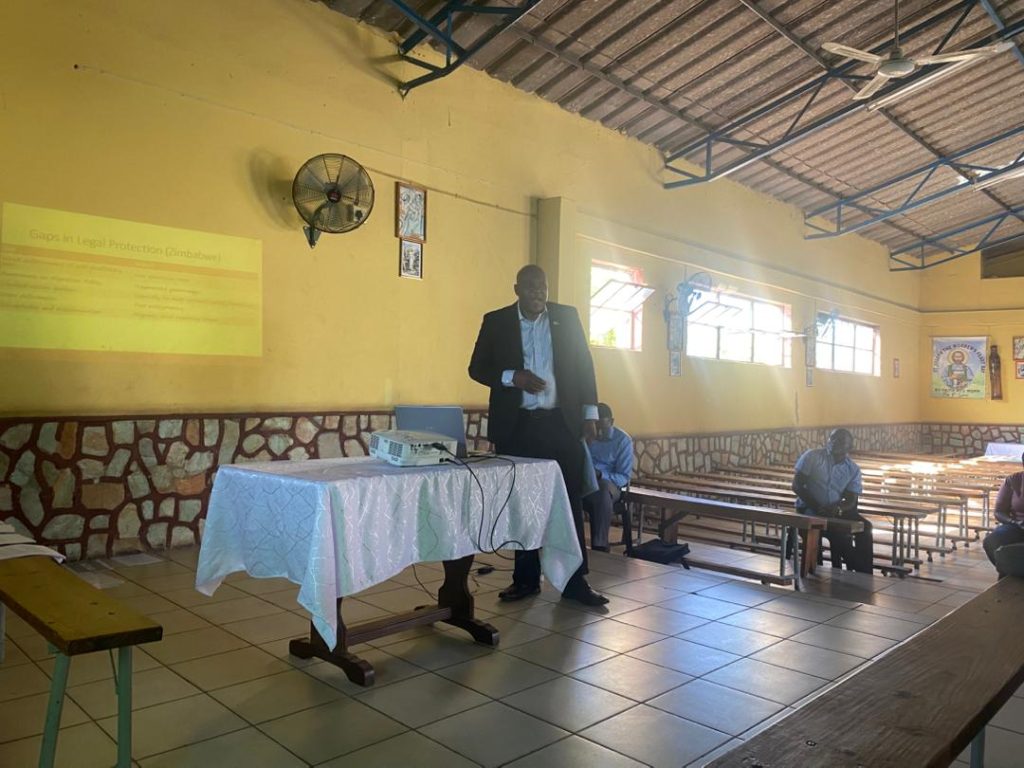
This came out of a two day workshop on migration.
The workshop facilitated by the Catholic Commision For Justice and Peace had panelists from the Law Development Commission of Zimbabwe.
In the discussion session of the workshop towards its closure delegates were asked for their views likely to be included in Law Development Commission recommendations to government on migration laws.
A delegate said passports pegged at $170 each were beyond the reach of many who cross the border to look for menial labour in economically stronger South Africa.
Zimbabwe’s passport fees are among the highest in the region relative to income levels, making it difficult for many low-income earners to afford travel documents.
Other causes are the lack of industries and the demand for labour in highly industrialized South Africa.
The demand for skilled labour was also another push factor while delegates felt the curricula of Zimbabwe should have long been biased towards production rather than office work.
Family reunification was also discussed as another push that force people to migrate without proper documentation.
Zimbabweans often move to join close family members such as parents, spouses or children who are already living abroad.
Children in particular can become vulnerable when separated from their parents and later seek to reunite with them, sometimes through difficult or unsafe migration routes.
In many cases, spouses also migrate to join partners who moved first in search of work or better living conditions.
This need to restore family unity can push people to travel even without proper documentation or through irregular means, especially when legal migration processes are expensive, slow or complicated.
The concerns come at a time when conditions for migrants in South Africa are becoming increasingly difficult, with rising anti-immigration protests and reports of xenophobic attacks targeting foreign nationals.
In recent weeks, protests in cities such as Johannesburg and Pretoria have pushed for stricter immigration controls, leaving some migrants fearing violence and considering returning home.
“Many people fail to regularise their travel due to the high cost of passports, leading them to use illegal routes,” he said.
He said lowering fees would allow more Zimbabweans to travel legally and reduce cases of harassment, detention and exploitation.
Leading the dialogue Law Development Commission Officer Shingirirai Gova said the migrants should have access to justice , some maybe of victims of different circumstances and not criminals .
He said Zimbabwe does not have dedicated immigration detention centres, resulting in some undocumented migrants being held in prisons and treated like convicted offenders.
“The gaps in social protection should be addressed by facilitating housing, which can be achieved through collaboration between government and churches,” Gova said.
He also proposed the establishment of legal clinics and the use of police Victim Friendly Units to help migrants report abuse and access legal support.
Another delegate also said governments should improve how deportations are handled by working with embassies to notify families before individuals are returned.
Some deportees end up stranded in Beitbridge and in most cases turn to crime or attempt to re-enter South Africa illegally.
Police have also expressed concern over the growing number of deportees.
In February Beitbridge District Police Officer Commanding Chief Supritendent Melusi Ncube said that about 400 deportees are received every week, some linked to serious crimes such as robbery, rape, fraud and theft.