


By Chantelle Muzanenhamo
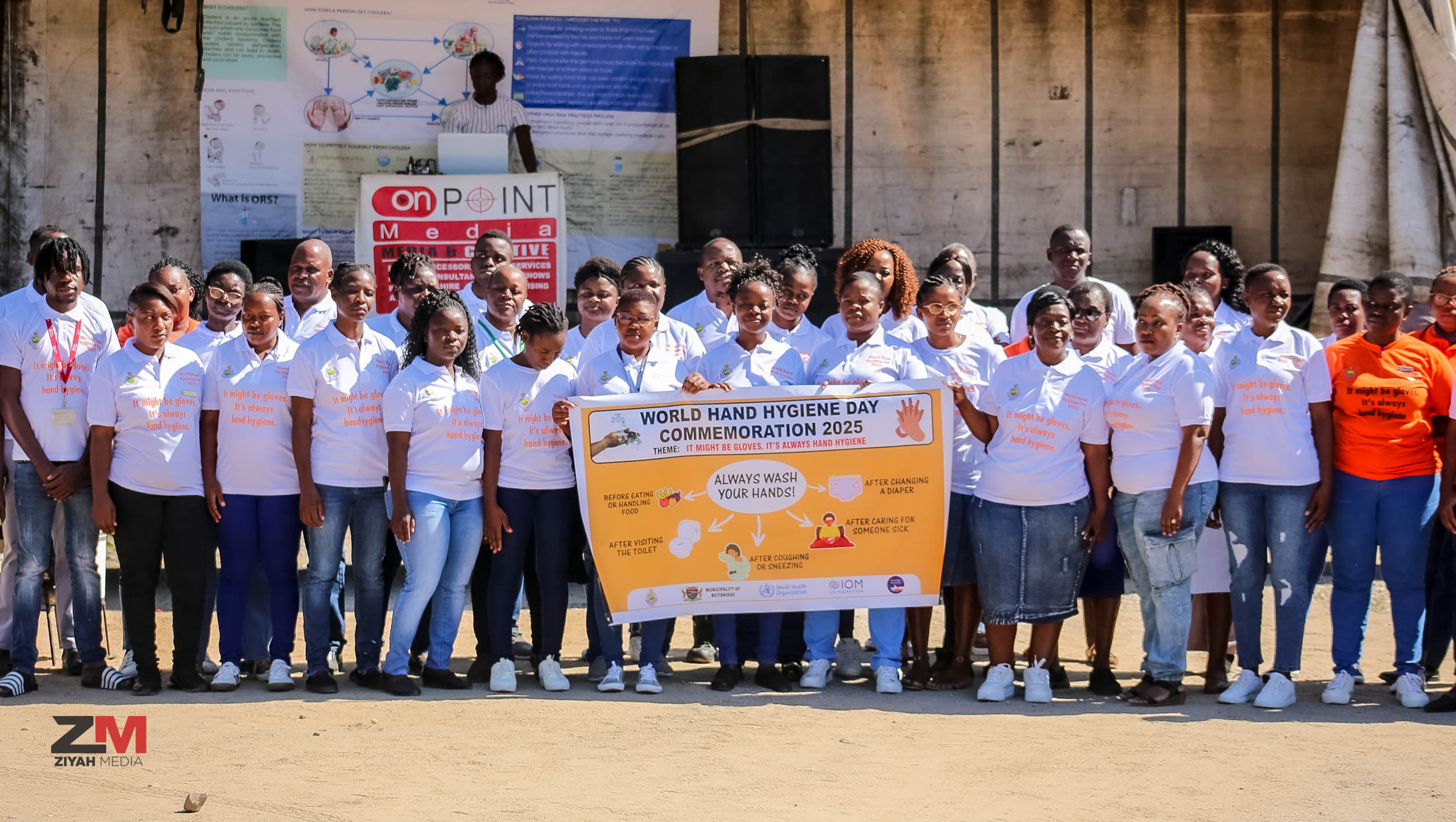
Beitbridge District Hospital in partnership with IOM joined the global community in observing World Hand Hygiene Day, a campaign now in its 17th year, with a focus on the critical importance of hand hygiene in healthcare settings and beyond.
Running under the theme “It might be gloves. It’s always hand hygiene,” this year’s commemorations centred on the importance of hand hygiene over any perceived substitutes.

Dr. Linos Samhere, District Medical Officer at the Ministry of Health and Child Care Zimbabwe Beitbridge, emphasized the theme’s value.
“Medical gloves can reduce the risk of infection, but they are never a replacement for hand hygiene,” stated Dr. Samhere.
He urged a renewed commitment to improving hand hygiene practices within healthcare facilities to ensure the safety of both patients and healthcare workers.
Dr. Samhere highlighted the potential for gloves to become contaminated and the common issue of misuse, such as wearing gloves for extended periods while attending to multiple patients or performing various procedures. This misuse can inadvertently spread infections rather than prevent them.
Furthermore, Dr. Samhere addressed the environmental impact of glove overuse. He pointed out that not every task necessitates wearing gloves and that excessive glove use contributes to environmental degradation.
Citing statistics, he noted that an average hospital generates a large amount of healthcare waste annually, much of which could be avoided through proper glove usage and diligent hand hygiene.
He explained that most used gloves are considered infectious and require specialized treatment like high-temperature incineration, adding pressure to already strained waste management systems.
In parallel with the hospital event, a public awareness campaign roadshow was conducted by, Health Promotion Officer.
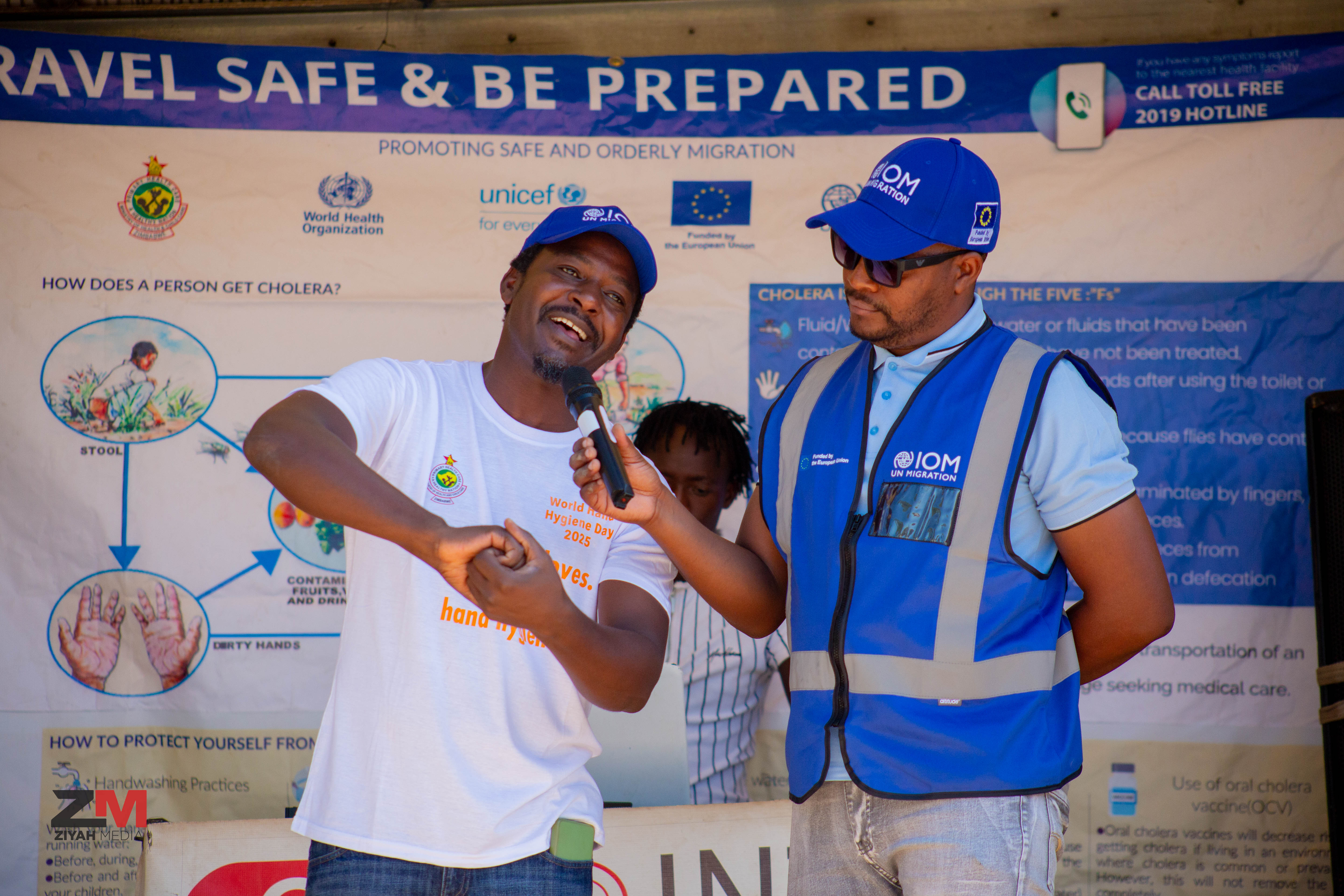
During the roadshow,Regnald Mbulawa ,health Promotion Officer. demonstrated the correct techniques for handwashing and educated the public on the crucial times for handwashing to prevent diarrheal diseases such as cholera.
Mbulawa underscored “the powerful role of simple hand hygiene in safeguarding health,” emphasizing its importance not only in preventing acute infections but also in mitigating complications from existing illnesses.
He explained that regular and proper handwashing reduces the transmission of harmful microbes that can exacerbate conditions like diabetes, cardiovascular disease, and respiratory illnesses.
In a call to action for the wider community, Mbulawa urged shop owners to establish adequate hand hygiene areas at their entrances and gates, promoting hand cleanliness for customers and staff alike.
The World Hand Hygiene Day commemorations at Beitbridge District Hospital served as a timely reminder of that there can never be a substitute for hand hygiene.