


By Chantelle Muzanenhamo
Harare — In a progressive shift toward treating drug and substance abuse as both a law enforcement and public health issue, the Zimbabwean government has approved the National Drug and Substance Abuse Control and Enforcement Agency Bill, paving the way for a new agency that will prioritize not only enforcement, but also rehabilitation and community reintegration.
The landmark Bill, approved by Cabinet on Tuesday, aims to establish a dedicated agency that will take a two-pronged approach to the country’s deepening drug crisis cracking down on traffickers while supporting those struggling with addiction through structured recovery programmes.
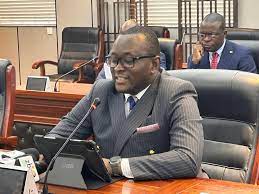
Speaking during a post-Cabinet media briefing in Harare, Minister of Information, Publicity and Broadcasting Services, Dr. Jenfan Muswere, outlined the government’s vision for a more holistic and coordinated response.
“The primary purpose of the Bill is to establish a specialised National Drug and Substance Abuse Control and Enforcement Agency, tasked with enforcing laws related to drug trafficking and substance abuse,” said Dr. Muswere.
“But equally important is the agency’s role in rehabilitation and social reintegration.”
The announcement comes as Zimbabwe faces a growing public health emergency, with a spike in substance abuse among young people. Crystal methamphetamine (mutoriro), codeine-based cough syrups, marijuana, and homemade brews are among the most commonly abused substances, often supplied through well-organized criminal networks with cross-border connections.
In response, the new agency will house two core divisions. The Enforcement Division will coordinate nationwide operations targeting drug trafficking, while the Social Services Intervention Division will focus on counselling, rehabilitation access, and vocational training tools that can help individuals rebuild their lives.
Experts and community leaders have long called for a shift from punitive measures to compassionate, evidence-based interventions. The new Bill appears to acknowledge this need by formally embedding recovery and support into the national strategy.
Additionally, the proposed legislation will broaden the legal definition of dangerous drugs to reflect the rapidly changing nature of the illicit drug market, particularly synthetic and designer substances.
The agency’s formation builds on ongoing efforts led by the National Committee on Drug and Substance Abuse, operating under the Office of the President and Cabinet. This inter-agency response has included school awareness drives, arrests of traffickers, and partnerships with community-based organizations.
As the nation grapples with the social and economic toll of drug abuse, the government’s new strategy suggests a pivot toward restoring lives not just policing them.