


By Ziyah News Reporter
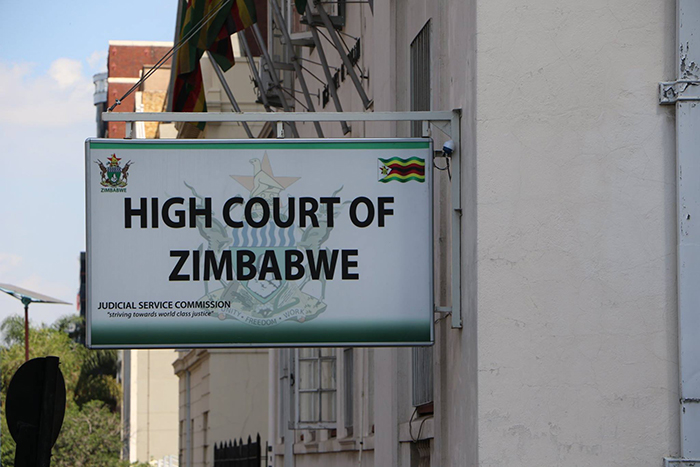
The High Court of Zimbabwe has ruled that insulting others is not a criminal offence, and individuals should not be arrested for such actions. According to reports, the court declared that making insults a crime is unconstitutional and violated the right to freedom of expression.
The ruling came in response to an appeal by Amanda Cohen, who was convicted of insulting her nephew during a family argument over inheritance.
Cohen’s lawyer, Tendai Biti, argued that the law used to convict her was unclear and gave law enforcement too much power, unfairly restricting freedom of speech.
High Court judge Justice Joel Mambara described the law as vague, overbroad, and disproportionately limiting the right to freedom of expression.
He noted that the law failed to clearly define what constitutes an insult or how someone’s dignity could be seriously impaired, allowing for excessive interpretation and unfair enforcement.
However, the ruling does not mean individuals can insult others without consequences.
Those who feel insulted can still sue for damages in civil court, where cases are resolved without criminal penalties.
“This order remains suspended until confirmed by the Constitutional Court of Zimbabwe,” Justice Mambara said.
The ruling aligns Zimbabwe with international standards on human rights and is a significant step in protecting free speech.
However, Cohen’s conviction remains valid for now until the Constitutional Court confirms the High Court’s decision.
According to Justice Mambara, the law went too far in restricting free speech.
“Section 95(1)(a) imposes greater restrictions on freedom of expression than necessary and allows for subjective enforcement,” he said.
The law had made it a crime to insult someone in a way that seriously impairs their dignity. However, it did not explain what these terms meant, leaving the police and courts to decide on a case-by-case basis.
The ruling will have significant implications for freedom of speech in Zimbabwe and could lead to changes in other laws that restrict expression.