


By Patience Gondo
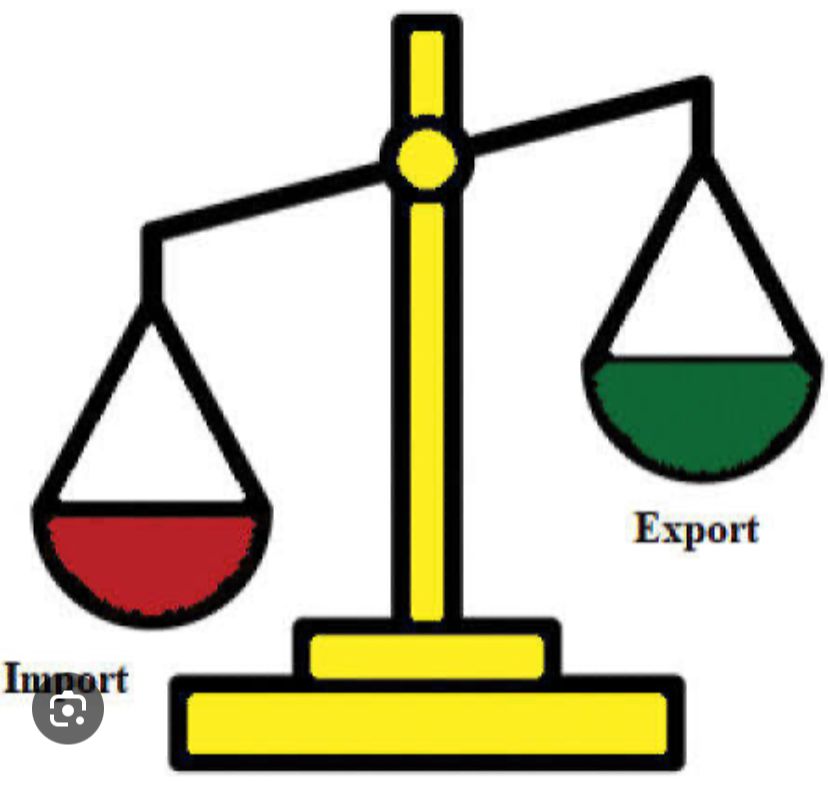
ZIMBABWE recorded a trade deficit of US$142.8 million in March 2026, despite strong export earnings from gold, according to the Zimbabwe National Statistics Agency (ZIMSTAT).
ZIMSTAT data shows the country exported goods worth US$932 million during that month, with gold contributing US$426.6 million or 45.8% of total exports.
Meanwhile imports were higher at US$1.074 billion, leading to the deficit.
ZIMSTAT showed the increase in imports was mainly driven by spending on fuel, cereals and machinery.
Gold remained the country’s main export, followed by nickel mattes, which earned US$204.1 million, and tobacco, which contributed 14.3% of total exports.
Together, these three commodities made up 82% of Zimbabwe’s export earnings, showing that the country relies heavily on a small number of products.
According to ZIMSTAT, export markets were also concentrated, with the United Arab Emirates receiving US$432.7 million worth of exports, mostly gold. South Africa imported goods valued at US$293.8 million, while China accounted for US$126.8 million.
These three countries together took 92% of Zimbabwe’s exports.
The growth in export earnings is mainly due to high global prices rather than increased production.
Gold prices have remained above US$4,000 per ounce since early 2025, which has helped boost export revenue even as production shows signs of slowing in 2026.
The same trend has been seen in nickel and tobacco, where changes in earnings are driven more by international prices than by higher output.
Within the Southern African Development Community region, Zimbabwe continues to export mostly raw and semi-processed goods, limiting opportunities for value addition and industrial growth.
Most of the country’s gold is exported directly to global markets instead of being traded within the region.
On the import side, ZIMSTAT data shows that fuel imports totalled US$196.5 million, while machinery and electrical equipment accounted for US$249.4 million.
Cereals imports reached US$83.8 million, reflecting the country’s ongoing need for essential goods.
This reflects Zimbabwe’s long-standing trade pattern, where exports are dominated by a few primary commodities such as gold, tobacco and minerals, while imports consist mainly of essential goods like fuel, machinery and food.
Over the years, this structure has resulted in recurring trade deficits and limited industrial growth due to low value addition.
Overall, ZIMSTAT indicates that Zimbabwe’s trade position is being supported by high gold prices rather than long-term economic changes, leaving the country exposed to possible declines in global commodity prices.