


By Ziyah News Court Reporter
Harare/Pretoria – In a move raising eyebrows across the region, the Gauteng High Court in South Africa quietly granted a forfeiture order against assets belonging to controversial Zimbabwean figure Marry Mubaiwa without her appearing in court and amid questions about political motivations and due process.
The ruling, issued on 5 December 2022 by Justice JJ Strijdom under Case No. 6435/22, saw Mubaiwa stripped of a luxury Pretoria home (Erf 191 Sterrewag, Extension 3) and two Range Rover SUVs, all linked to what authorities claim were “proceeds of crime.”
The order was made under South Africa’s Prevention of Organised Crime Act, yet details around the evidence and legal representation have not been widely publicized a point that critics say undermines transparency.
The National Prosecuting Authority of Zimbabwe (NPAZ) issued a self-congratulatory statement nearly three years later, hailing the forfeiture as a “landmark” case and praising South African authorities for their cooperation.
The assets in question had been under a preservation order since February 2022, yet the court’s decision to permanently seize them only became public through the NPAZ’s 28 July 2025 statement. One of the Range Rovers has already been auctioned, with the proceeds reportedly being “processed” for an unnamed victim.
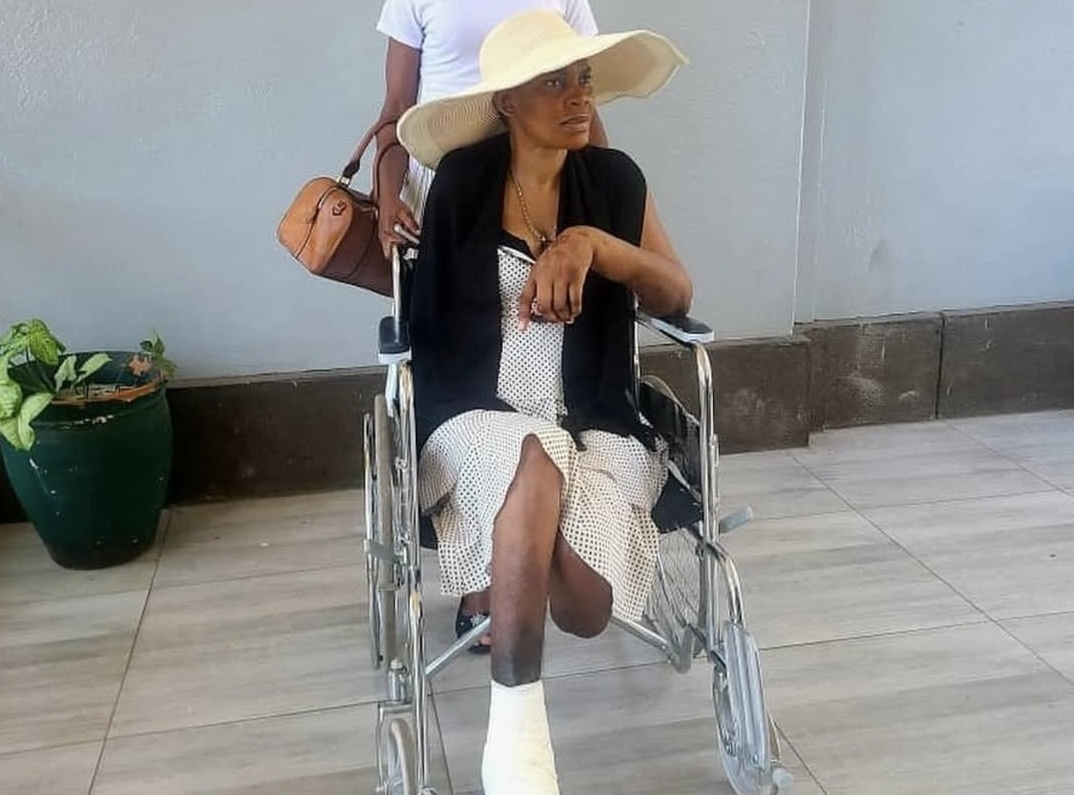
Mubaiwa, the estranged wife of Zimbabwe’s Vice President Constantino Chiwenga, has long been embroiled in legal drama, ranging from money laundering allegations to attempted murder charges cases that some have argued are politically driven.
Observers are now questioning whether the asset seizure reflects a genuine anti-corruption effort or a coordinated campaign to dismantle Mubaiwa’s remaining power and wealth following her public fallout with Zimbabwe’s political elite.
The NPAZ claimed the forfeiture aligns with regional treaties and anti-corruption protocols, but some human rights groups have raised concerns about whether Mubaiwa was afforded adequate legal protection during the process.
There is also growing scrutiny around how the proceeds of these asset seizures are tracked and distributed, with past regional forfeiture cases drawing criticism over lack of transparency.