


By Evans Dakwa
As the country forges ahead with the integrated implementation of the Sustainable Development Goals (SDG) , Africa Agenda 2063 combined and localized through Vision 2030, a senior Government official has emphasized the importance of the watch dog role of the media to national development plan represented by the National Development Strategy 1(NDS1).
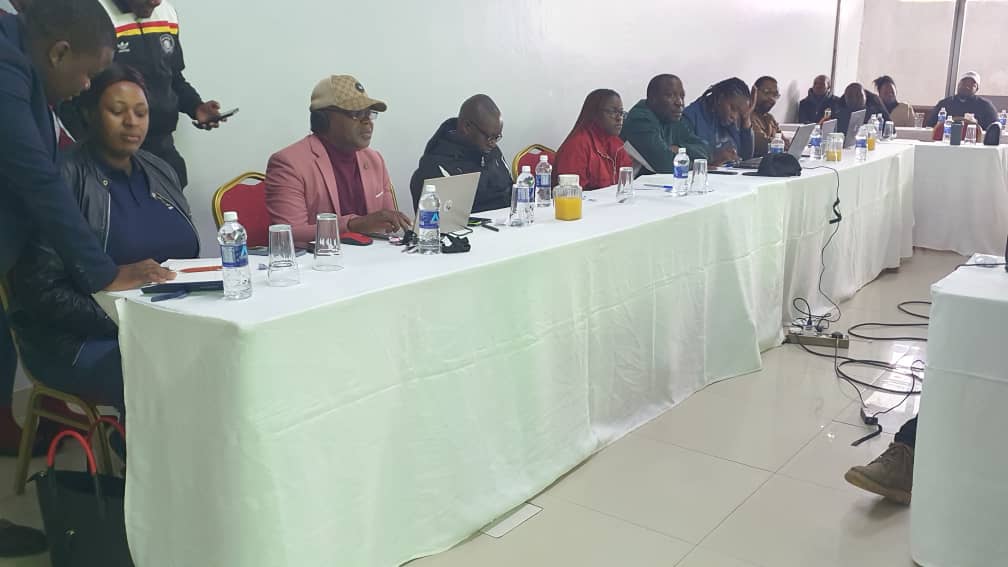
In a speech read on his behalf by the Deputy Director SDG and Agenda 2063 Unit in the Ministry of Public, Service, Labour and Social Welfare, Ms Sylocious Chaturika, Permanent Secretary in the same Ministry, Mr Simon Masanga, the objectives of the Media Engagement and Capacitation Workshop on SDGs and Agenda 2063 currently underway in Masvingo is essential for national development.
“By empowering media professionals with the tools and knowledge they need, we can ensure they effectively communicate and advocate for these transformative agendas, making a real impact in our communities.
With six years to go before the Agenda 2030 comes to an end, the Permanent Secretary indicated that raising awareness about the SDGs and Vision 2030 is very important and this is where the media comes in.
” Informed journalists are crucial for translating complex issues into relatable narratives, enabling citizens to grasp the significance of these goals and their implications for local contexts. This understanding fosters informed public participation and drives action toward sustainable development, added Mr Masanga.
He also emphasized the need for collaborative efforts among-st all stakeholders including Government, media and development partners.
“Building partnerships is vital for enhancing our capacity to report on these critical issues and fostering a more inclusive dialogue around sustainable development.”
The workshop held under the wings of the Ministry of Public Service Labour and Social Welfare in partnership with UNDP has given journalists a platform to learn on effective reporting on the SDGs, Agenda 2063 and our own Vision 2030 which localises the SDGs.
The Government of Zimbabwe continues to empower and prioritise the role of media practitioners as critical stakeholders in the national development discourse.The Second Republic has opened the media space allowing the birthing new media outlets from community radio stations, online media outlets which allowed different voices in the communication of our messages.