


By Rex Mphisa at Madlambuzi, Bulilima.
AT 18, Andile Dube’s four year secondary course counts for nothing.
For years she trudged from Masendu to Madlambuzi, 15 kilometres apart, totalling 30 kilometres a day for education.
She passed Ndebele, Family and Religious Studies, Heritage, Textile and Geography, a good ticket for a tertiary colleges.
But she lacks parental guidance, both mum and dad are absentee parents living in South Africa.
Absentee parenting is one of the key drivers of the HIV and Aids scourge rocking Bulilima and Mangwe districts.
It results in child headed families vulnerable to abuse.
Besides, prolonged spousal separation where a partner leaves the country for long, together with poverty, child-headed families, high levels of sexual and gender-based violence (SGBV), low risk perception, and the influx of job seekers and informal traders in Botswana and SA, drive the prevalence of the scourge.
“I have never seen adverts for employment as a police, prisons or army officer. I do not have data to stay lon on my smartphone. My parents last send me money to collect my results,” she said.
“I have always wanted to be a nurse, I would jump at that opportunity anytime, ” she said, her beaming youthful face lighting up during a National Aids Council led Media Tour for journalists in Matabeleland South.
The four-day tour takes the journalists for interaction with different beneficiaries of NAC’s interventions to eradicate HIV and Aids by 2030.
Andile is part of the 50 adolescent girls and young women between 15 and 24 under a project called Sister to Sister.
They meet twice a month to have no holds barred discussion and lessons to prevent or live with HIV and Aids.
Several such projects by NAC in Matabeleland South have been impactful and brought hope to hundreds of girl children, the vulnerable victims of the HIV pandemic.
In an area where their male neighbours are migrant workers in South Africa and Botswana, young girls are robbed of their girl hood by “Injiva” who during the festives flash large amounts.
Because of poverty the girls often trade their dignity, often to numerous partners, some of them affected by the deadly disease.
“I come here to discuss and share common things on the topic. I am not positive myself and know how to prevent. I am empowered to abstain or use protection. I discuss freely,” she said.
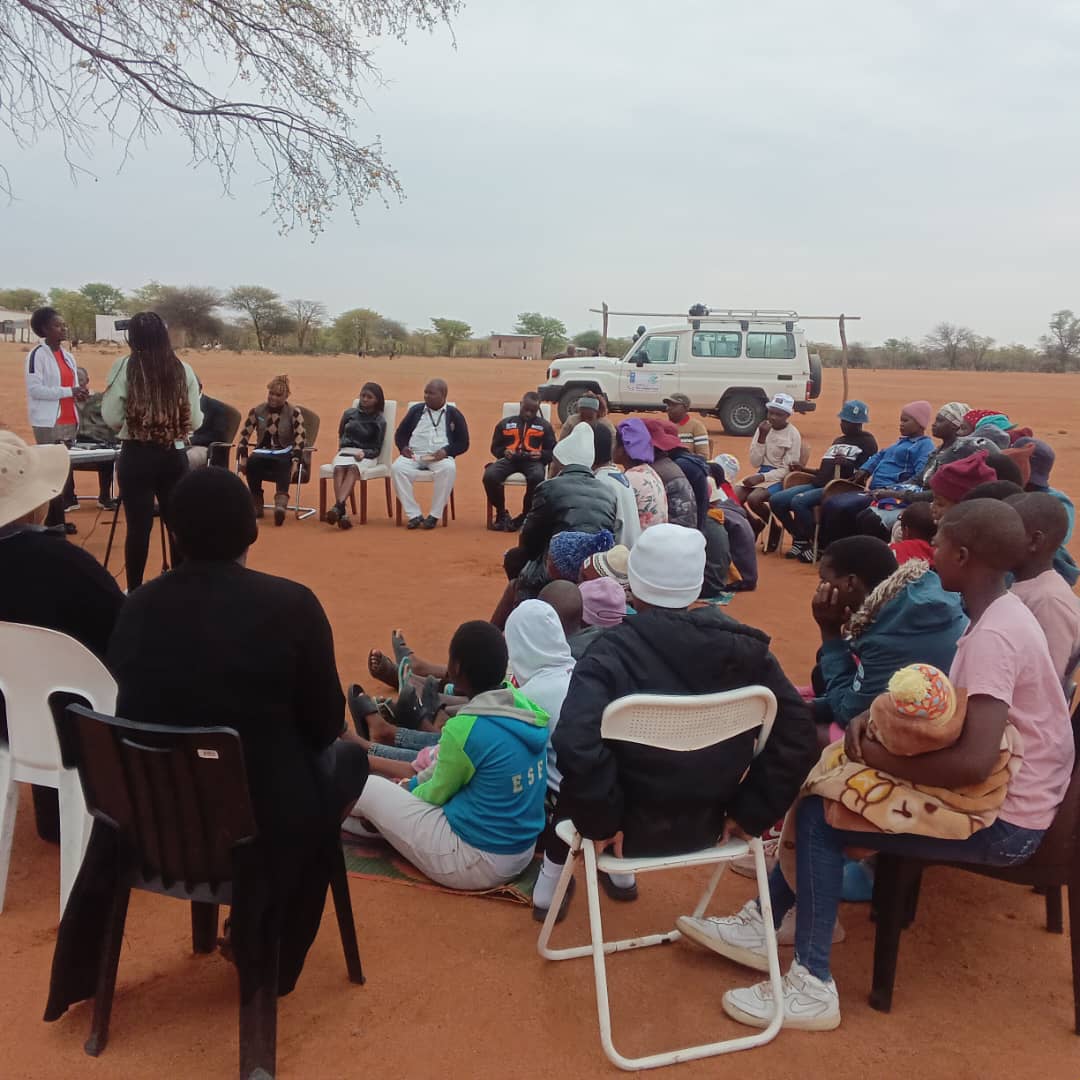
At Masendu, District Aids Coordinator Ronald Hanyane invited journalists attend a heart-warming Session 27 of Sister to Sister conducted by Saneliso Nyathi (29), a local single mother.
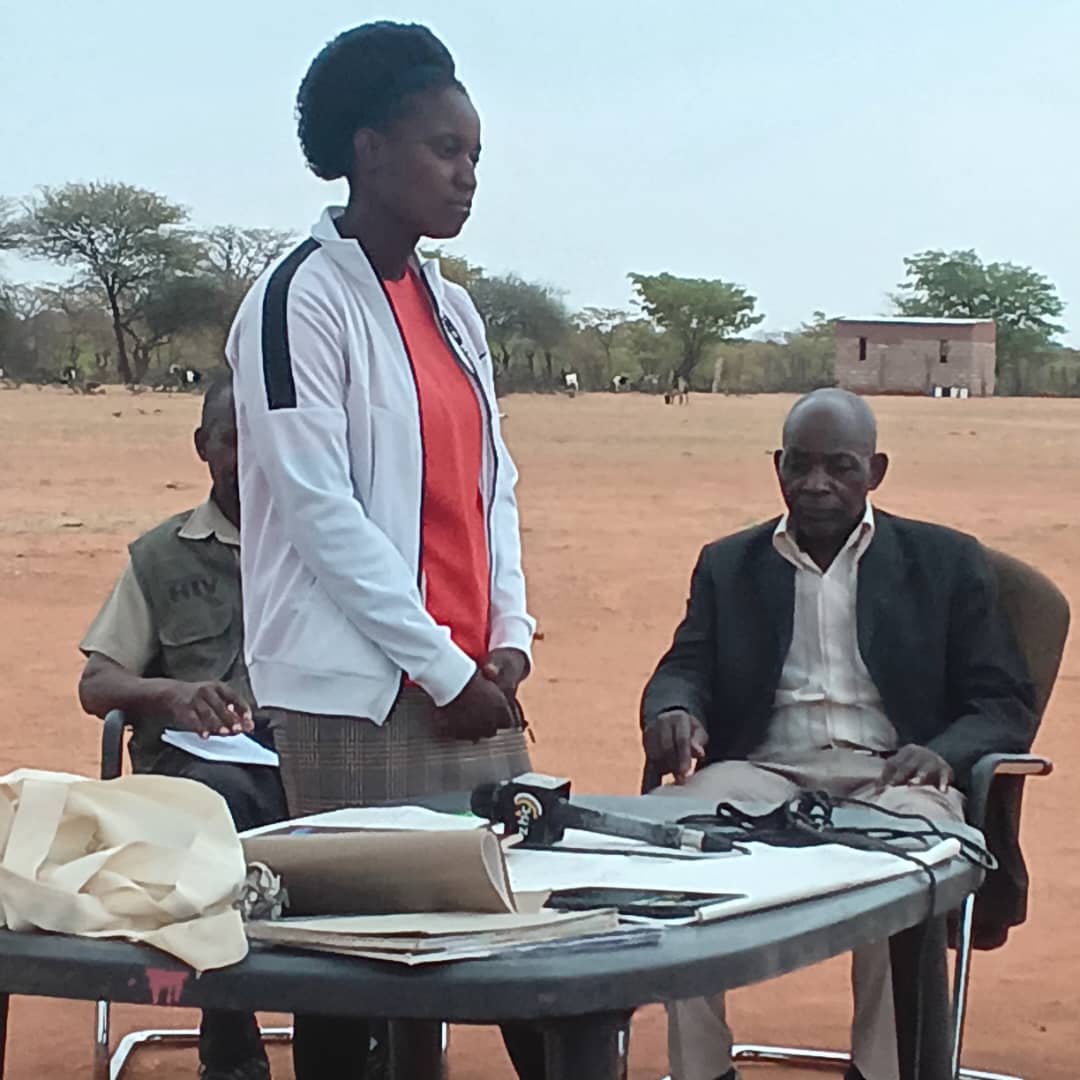
Nyathi conducted a lively session where Andile and 49 other adolescent girls and young women (AGYW) were engaged in an informative debate, quizzes and blow by blow tactics of prevention, acceptance and positive living with HIV and Aids.
Light moments were many, particularly when one participant said it is hard to stop when one engages in sexual activities. But they were determined then to have safe sex.
Breaking the session into two, Nyathi, employing natural teaching skills coupled with her training by NAC,, led them through quizzes which spoke and unpacked dire results of unprotected sex together with benefits of abstinence, positive living, among other subjects.
The engagement was punctuated by laughter yet serious deliberations ensuing.
“Our target is the age of 15 to 24 who are not in school. We encourage them to, if they can, go back to school. But they must not miss our sessions held twice a month,” she said.
“We also play netball and enter local competitions to bond with each other. We deal with each case on its merits, we are one big family,” she said.
Session 27 which lasted about an hour after which journalists mingled with participants, among them young mothers who vowed not to repeat their mistakes.
Others are still in marriages at that tender age raising questions on whether the law where sex with a person under 18 does not apply at Masendu where police are 15 kilometres away.
Another participant Chantel Ndlovu revealed she and five other girls at the session also had adequate five O level subjects but had lost hope.
“I am thankful to this Sister To Sister programme. Today i learnt I can be employed and be self reliant. My parents have not come from SA in a long time. I live with my young sister who has dropped from Form Two for lack of funds,” said Chantel.
Masendu, some 80 kilometres south west of Plumtree Town is, like other parts of Bulilima and Mangwe districts, home to hundreds of young girls whose hopes have now been reignited by NAC activities.
Team leader of he journalists and Provincial Information Officer Austin Nyathi asked Saneliso to have a database of all the participants in her group.
“There are programmes by Government focusing on the girl child. We should highlight their plight and catch relevant authorities attention for interventions.
There is BEAM for education. Those who pass can access training as nurses, police, army or prisons and airforce cadets. For a girl to secure five O Level subjects in such an area is a big achievement and we should intervene,” he said.
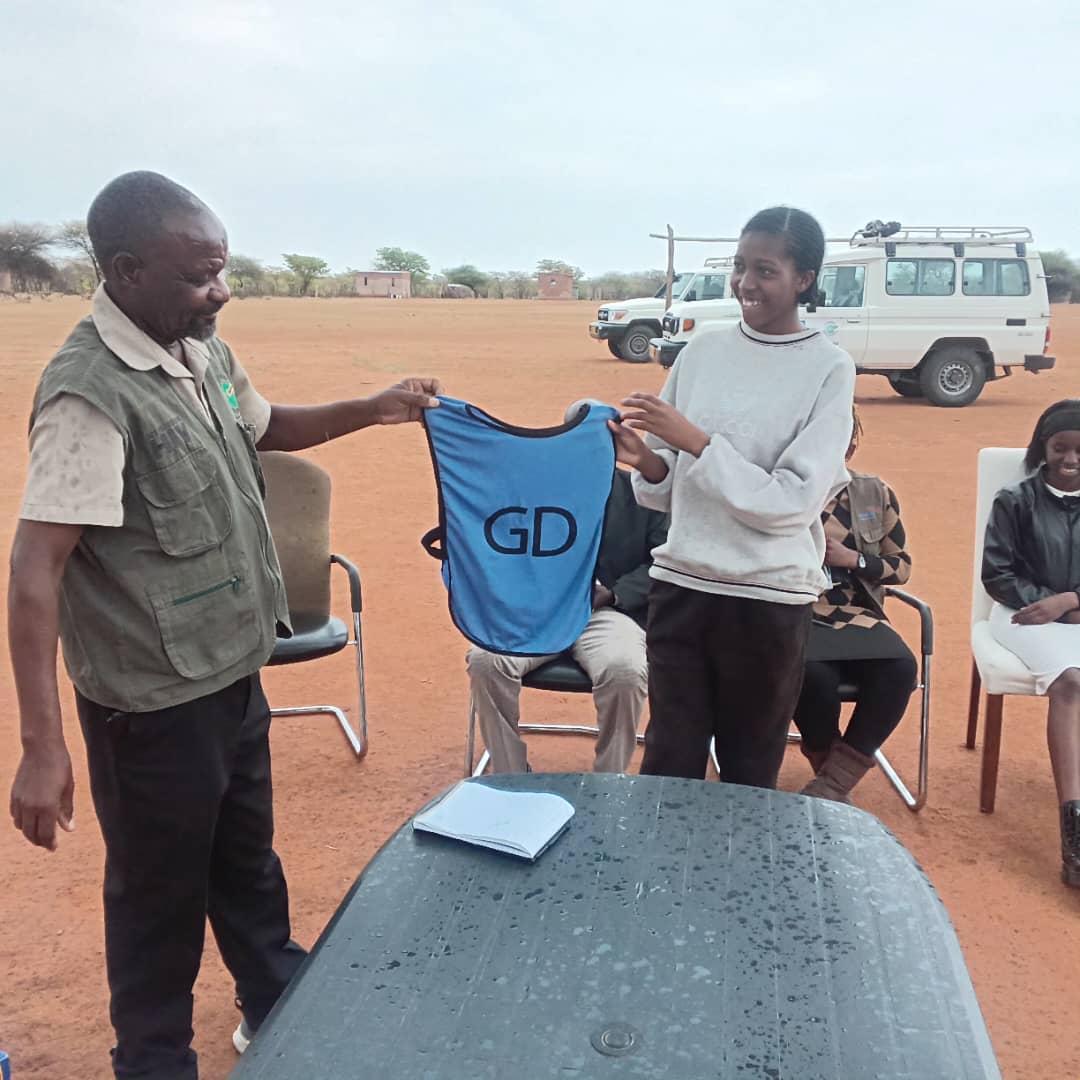
Hanyene later gave the girls a donated netball kit.
Other stakeholders like the Ministry of Women’s Affairs could be roped in, to recommend funding for projects that will financially uplift determined Sister to Sister programme by NAC.