


By Chantelle Muzanenhamo
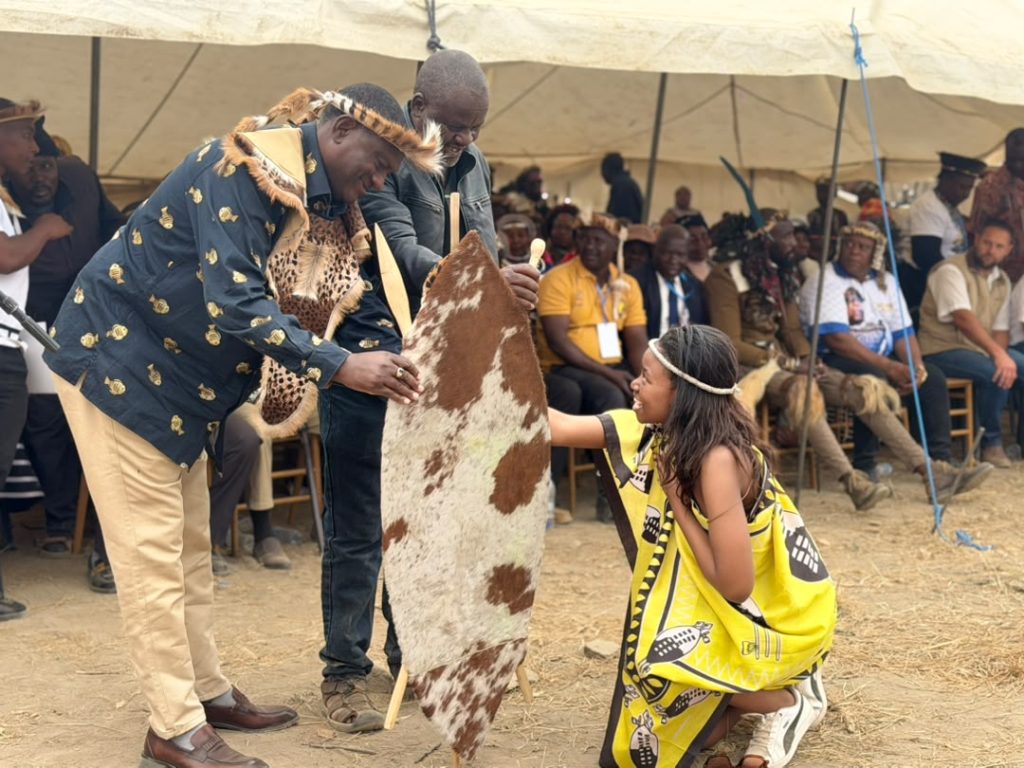
MATABELELAND South must move beyond celebrating its history and begin turning its cultural wealth, natural resources and human capital into tangible development, Minister of State for Provincial Affairs and Devolution Albert Nguluvhe has said.
Speaking at the King Mzilikazi Annual Commemoration at Mhlahlandlela in Matobo District on Saturday, Nguluvhe said the legacy of King Mzilikazi Khumalo kaMashobane should not only be remembered through ceremonies, but should inspire communities to build a more united, productive and self-reliant province.
The commemorations, held under the theme “Siqoqa Isizwe Ngamasiko” — “We Build the Nation Through Culture” brought together traditional leaders, members of the Khumalo Royal Family, Government officials, cultural organisations, artists, youths and community members.
Nguluvhe said King Mzilikazi’s significance extended beyond his military achievements, describing him as a nation-builder who brought together people from different backgrounds and created a shared identity.
He challenged Zimbabweans to draw a modern lesson from that history by resisting divisions based on tribe, language or community.
“Our diversity must never divide us; it must strengthen us,” said Nguluvhe.
He said Zimbabwe’s cultural landscape, including isiNdebele, Tshivenda, Sesotho, Isikalanga and other indigenous languages and traditions, must be protected as part of the country’s national identity.
He also placed strong emphasis on traditional values such as ubuntu, ukuhlonipha, discipline and respect for elders, saying these values remain relevant in addressing some of the social challenges facing communities.
Nguluvhe challenged Matabeleland South to make greater use of the resources found within the province.
He pointed to the region’s mineral deposits, agricultural land, livestock, tourism potential, cultural heritage and skilled population as assets capable of supporting stronger local economies.
He said the province should increasingly move towards a model where local resources generate opportunities for the communities in which they are found.
“These resources must translate into jobs, improved livelihoods, better infrastructure and stronger local economies,” he said.
He linked the approach to the Government’s Devolution and Decentralisation programme, which he said gives communities a greater role in identifying development priorities and ensuring that local resources contribute to local needs.
Nguluvhe said, economic development should not come at the expense of cultural identity.
He argued that new roads, schools, clinics, dams and other infrastructure should be accompanied by efforts to preserve heritage, indigenous knowledge and community identity.
Nguluvhe also used the gathering to raise concern over drug and substance abuse among young people, calling for a coordinated response involving families, traditional leaders, churches, schools, cultural organisations and Government.
He said cultural values could provide an important foundation for rebuilding discipline, responsibility and community accountability among young people.
Nguluvhe urged youths to look beyond social pressures and pursue education, entrepreneurship, innovation and productive economic activities.
He encouraged them to draw lessons from the leadership and discipline associated with King Mzilikazi, arguing that the future of the province depends heavily on the choices made by its younger generation.
The event attracted a broad representation of traditional and cultural leadership.
Those attending included Chief Mathuphula, Chief Madliwa, Chief Dakamela of Nkayi in Matabeleland North, Chief Chovani of Chiredzi, Chief Sengwe and Chief Masivamele, among other traditional leaders and cultural representatives.
Bulawayo Mayor Councillor David Coltart was also in attendance, alongside personalities from the arts and entertainment industry, including actress Dawn Thandeka King and South African musician Khuzani.
Nguluvhe commended the Mthwakazi ‘Ka’ Mzilikazi Cultural Association, the Khumalo Royal Family, traditional leaders and cultural organisations for keeping indigenous knowledge and heritage alive.
He called for greater protection of heritage sites, promotion of indigenous languages and increased support for local artists and craftspeople.
He said commemorating historical figures should ultimately force society to examine what it is building in the present.
“As we honour King Mzilikazi, let us not only remember what he built, but ask ourselves what we are building today.”
He said the responsibility for development and cultural preservation rests collectively with communities, Government, traditional leaders and citizens.
“Ilizwe lakhiwa libuswe ngabanikazi balo — a nation is built and governed by its own people.”
The King Mzilikazi Annual Commemoration continues to serve as a platform for celebrating Ndebele heritage while encouraging broader conversations around cultural identity, national unity and development.