


By Rex Mphisa
CIVIL servants at Beitbridge together with volunteers worked tirelessly and for long hours at the height of the movement of returnees from South Africa and deserve special mention, Matabeleland South Minister of Provincial Affairs and Devolution Albert Nguluvhe has said.
The Parliament of Zimbabwe could have easily witnessed and appreciated this had it arrived at Beitbridge at that peak when the Beitbridge Reception Centre resembled scenes from war-rorn countries as thousands of desperate Zimbabweans transited through the border town.
Initially ordinary Beitbridge residents assumed responsibility to feed and care for the stranded Zimbabweans, Malawians, Zambians and Malawians fleeing tensions and violence from the March and March triggered hostilities that rocked South Africa.
Then, more than 100 000 rejected and dejected people transited through Beitbridge at both official and non official points putting pressure on the local population but churches, private institutions, individuals and humanitarian organisations moved in to assist, Nguluvhe said.
“They worked for long hours for no reward and there were some volunteers who helped at the reception centre throughout who should be commented for their work. Government later came in but some ordinary people and churches had already taken responsibility,” said Nguluvhe.
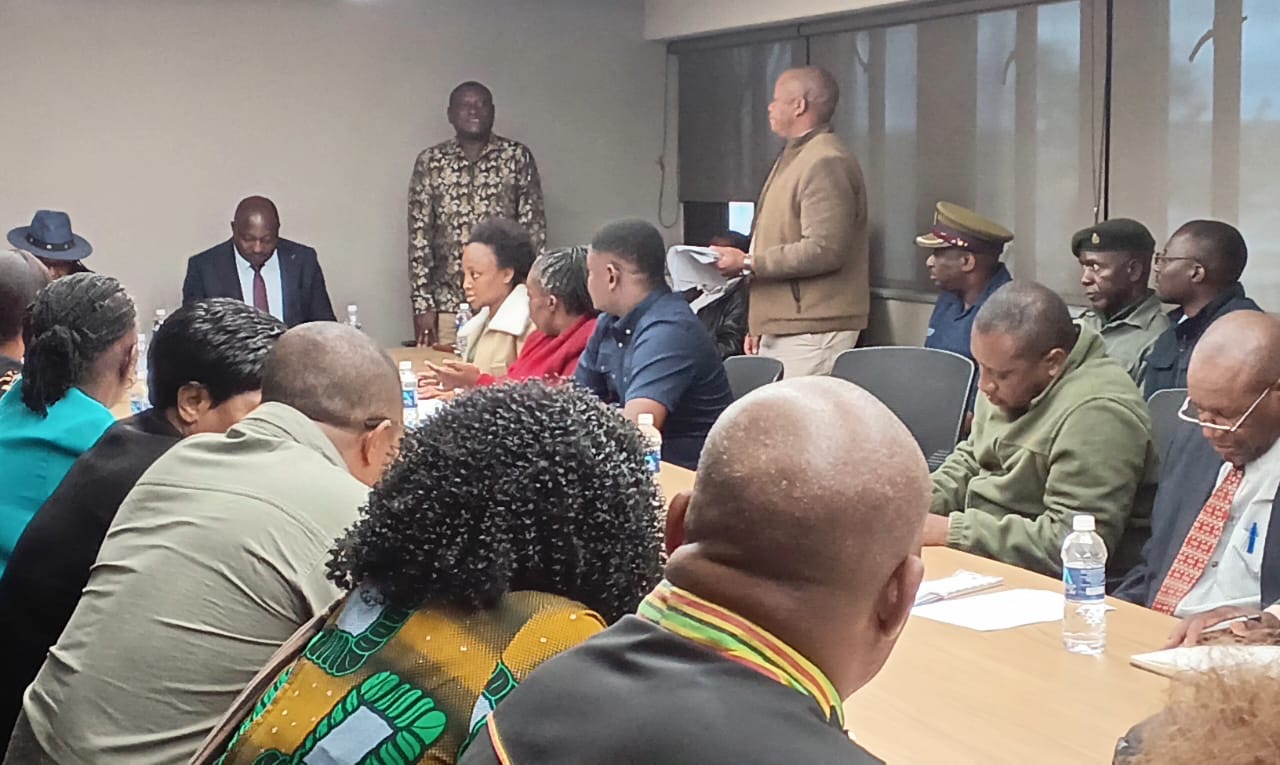
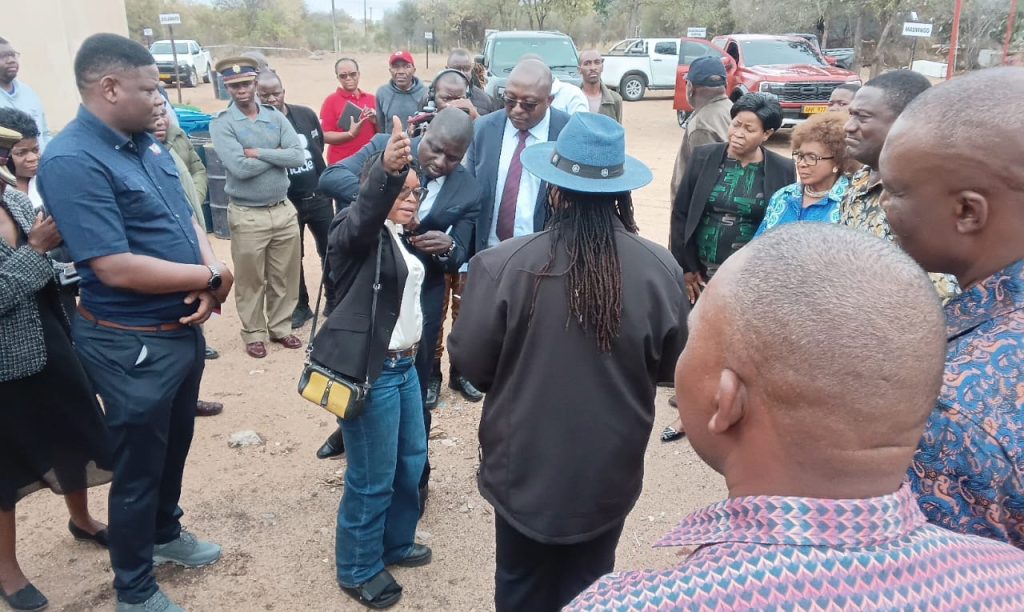
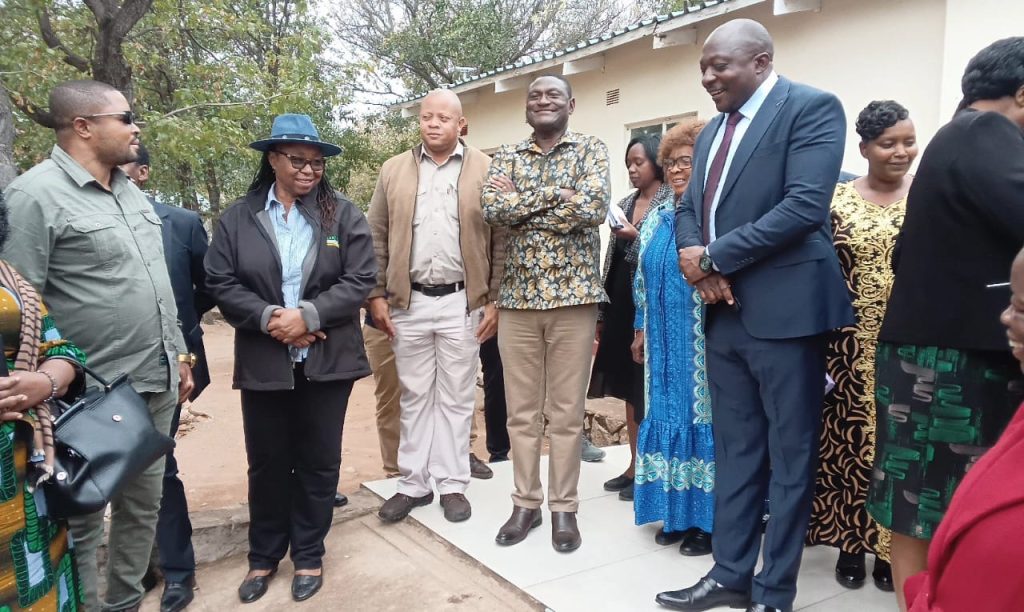
He was addressing a Joint Parliamentary Portfolio Committee on Peace and Security, Defence, Home Affairs and Security Services that arrived in Beitbridge Monday well after the storm.
The Parliamentary committees were in Beitbridge for a verification exercise on the repatriation of Zimbabweans who returned from South Africa during those anti-migrant protests.
“Parliament should have come during that time when all was happening to fully appreciate this. Government workers at Beitbridge and volunteers worked for no reward to help cushion effects of the crisis. We would have preferred that you had come when the centre handled four to five thousand people a day,” he said.
He also thanked the Defence Forces who moved in after he wrote a letter requesting for assistance.
“It is pleasing to note that the whole country was united at the time of need which gave those coming from South Africa hope and dignity,” said Nguluvhe.
He said at the end of the day there were adequate resources mobilised by Government wnd its partners.
Parliamentarians heard reports from different departments that were represented during the deportations and voluntary returning which were led by the Civil Protection Units, Social Development Ministry, Health and Child Care, Skills Audit Department, Zimbabwe Republic Police and other Security agents.
Parliamentariants asked teams that were on the ground on their activities and the varying measures taken to get on top of the situation.
The Zimbabwean government assisted approximately 42 000 citizens return from South Africa during the anti-immigrant pressures driven by the March and March.
Roughly 33 855 to 42 000 nationals received direct logistical and financial assistance from Harare while independent self-repatriation figures translated to around 74 000 additional Zimbabweans who chose to return home independently fearing rising tensions.
Overall returnee figures surpassed 100 000 individuals processed primarily through the Beitbridge Border Post.
Co-chairperson of the parliamentary committees Senator Irene Zindi said although Parliamentarians would have loved to come during period, the process to request such trips were slow.
“But we are going to get good reports from the detailed reports we got from the teams who were on the ground,” she said in her closing remarks.