


By Ziyah News Reporter
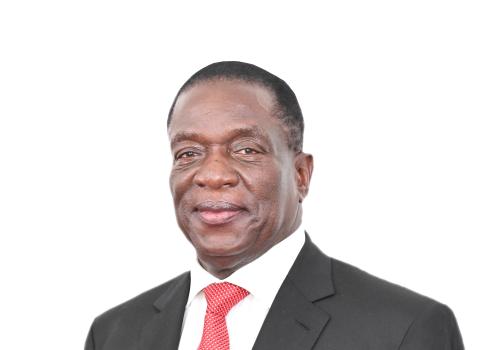
President Emmerson Mnangagwa has publicly welcomed the United States’ decision to deport hundreds of Zimbabwean citizens residing illegally in the country.
The announcement, made via a post on X (formerly Twitter), underscores a complex interplay of diplomacy, domestic policy, and the pressing realities of economic hardship within Zimbabwe.
“The Government of Zimbabwe supports the United States Government’s decision to repatriate and return our Zimbabwean citizens who may have been residing in the US illegally. @realDonaldTrump,” he stated.
The US is gearing up to deport 545 Zimbabweans as part of a broader initiative led by President Donald Trump to intensify immigration enforcement. The broader context reveals that over 1.4 million noncitizens have been flagged for removal, showcasing a significant uptick in deportations since Trump returned to office.
While Mnangagwa’s support for repatriation may be viewed as an attempt to strengthen ties with the US government, it also raises profound questions about the implications for the nation’s socioeconomic stability.
Zimbabwe, grappling with acute economic challenges, risks further complications with the arrival of hundreds of deportees.
Many families in Zimbabwe rely heavily on remittances sent from relatives abroad, and the sudden return of these individuals threatens to disrupt the fragile financial lifelines that many households depend on.
The integration of these returnees is a matter of critical concern. Zimbabwe is already contending with high unemployment rates, and the influx of individuals who lack local employment opportunities could exacerbate poverty and social unrest.
The Zimbabwean government has yet to outline specific plans to assist the returning citizens, raising concerns among people.
Thus, while Mnangagwa’s endorsement of the US deportation plan aligns with a governmental position on lawful immigration, it also highlights a deeper issue: the lack of preparedness to handle the ramifications of such a policy
exacerbating existing societal issues. Failure to do so could lead to a precarious future for both returnees and the wider population, placing increased strain on an already burdened system.