


By Prince Chese
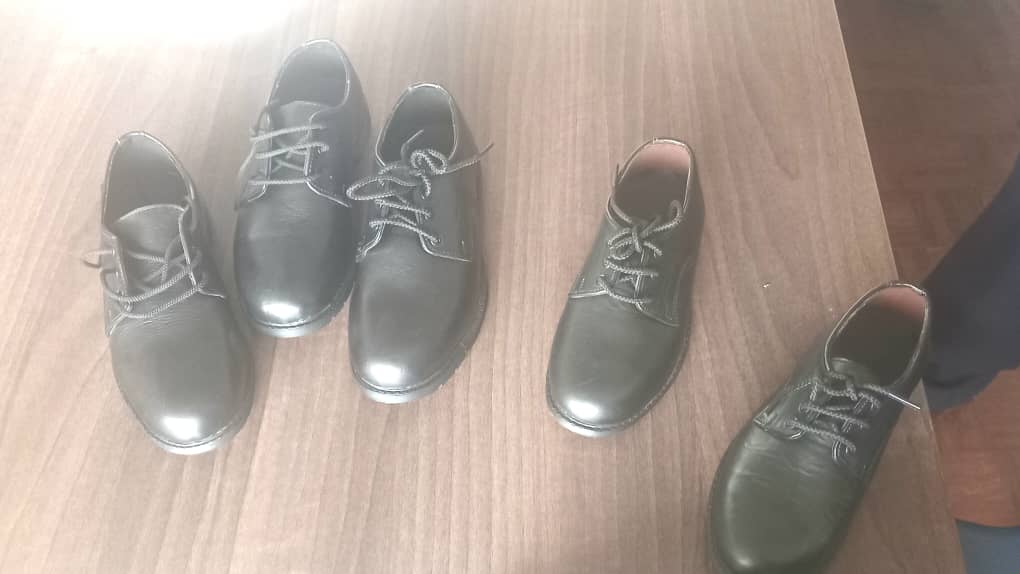
Local leather projects in Beitbridge are failing to grow because of lack of resources like animal skins and machinery.
The situation, stakeholders say, is undermining local economic growth, value addition, and the development of small-scale manufacturing in the district.
These challenges were highlighted during a leather project stakeholders’ meeting at the District Development Coordinator’s (DDC) boardroom.
Trainers and industry representatives shared a common concern that existing constraints are preventing the sector from realising its full economic potential.
Trainer Nicholas Maphosa, who works with leather groups based in Mbedzi and the Railways industrial area, said shortages of raw materials are affecting production consistency and income generation.
“We used to rely on local abattoirs for animal skins, but with more households now slaughtering animals at home, the number of skins entering the value chain has dropped,” Maphosa said.
He said the absence of key processing machinery in Beitbridge is increasing production costs and limiting value addition at local level.
“Without footwear and turning machinery, producers are forced to travel to Bulawayo for processing. This not only raises costs but also discourages small-scale manufacturers who could otherwise create jobs and grow local enterprises,” he said.
Stakeholders noted that the bottlenecks are slowing the growth of the leather industry, which has the potential to contribute significantly to youth employment, entrepreneurship, and industrialisation in Beitbridge through products such as shoes, belts, bags, and other leather goods.
Responding to the concerns, Jacob Nyathi from the Leather Development Council said efforts are underway to unlock the sector’s economic potential by expanding skills training and improving access to machinery.
“We plan to roll out training programmes across different clusters in Beitbridge next year to equip more youths with leather production skills,” Nyathi said.
He also revealed plans to engage government authorities early next year to secure essential equipment, including leather cutting, footwear, grinding, and hand-tool machinery, which would be centrally located at either Beitbridge RDC or the DDC.
“This will allow local producers to pay for shared use of the machines, reducing transport costs, supporting value addition, and strengthening small-scale manufacturing in the district,” Nyathi said.
The meeting brought together farmers, leather producers, and development stakeholders, who agreed that addressing production bottlenecks is key to transforming Beitbridge’s leather industry into a viable contributor to local economic development.