


By Rex Mphisa
PICTURE a gathering of villagers appeasing their spirits through various traditional rituals and practices that serve to maintain harmony between the living and the spirit world.
With those all night singing and dancing events, featuring those energetic dances with specific rhythms and melodies used to communicate with the spirits and facilitate spirit possession, allowing the ancestors to participate in the ceremonies and communicate their needs.
Traditional beer made from millet or sorghum is consumed as an offering to the ancestors.
This act activates the spirits and is central to the ritual context and snuff, often inhaled or chewed during the rituals, to help evoke the ancestors.
Then in the middle of that imagine the master of ceremonies calling for a break to have a National Aids Council (NAC) official share with the gathering information on HIV and Aids!
Looks like a script from a fairy tale novel!
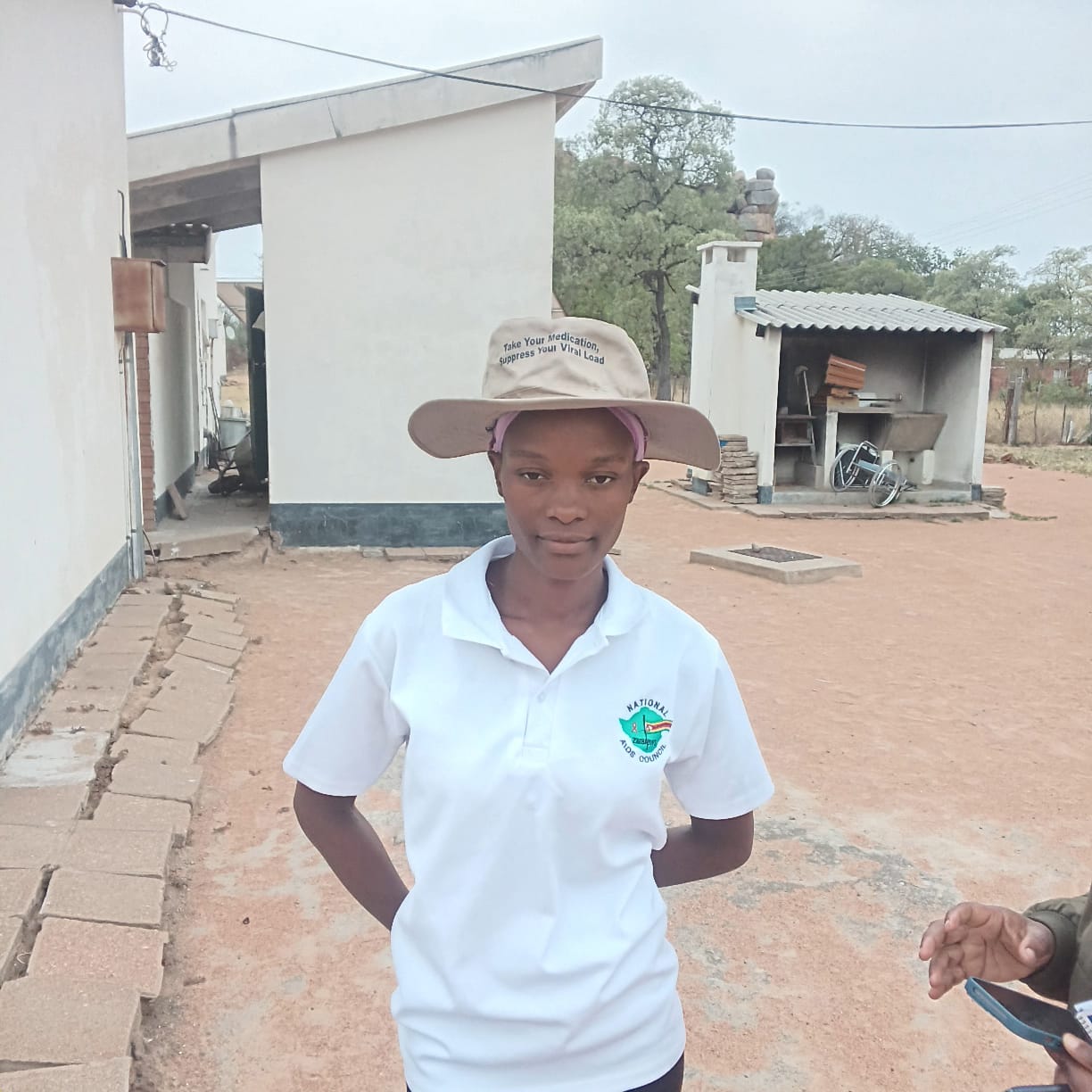
But in reality and in Bulilima’s Matjinge community Nonhlahla Bhebhe is invited to speak during church gatherings and traditional functions.
Battle-hardened by numerous incidences of public ridicule and scorn about her HIV status. Bhebhe, 28, has just established herself as a game changer.
She is a Community ART Refill Groups (CARG) leader convicted in her mission to change behaviours in her area.
In the past certain churches did not allow their followers to go to hospital assuring them faith healing.
So did some traditional healers which saw some people discontinue ART.
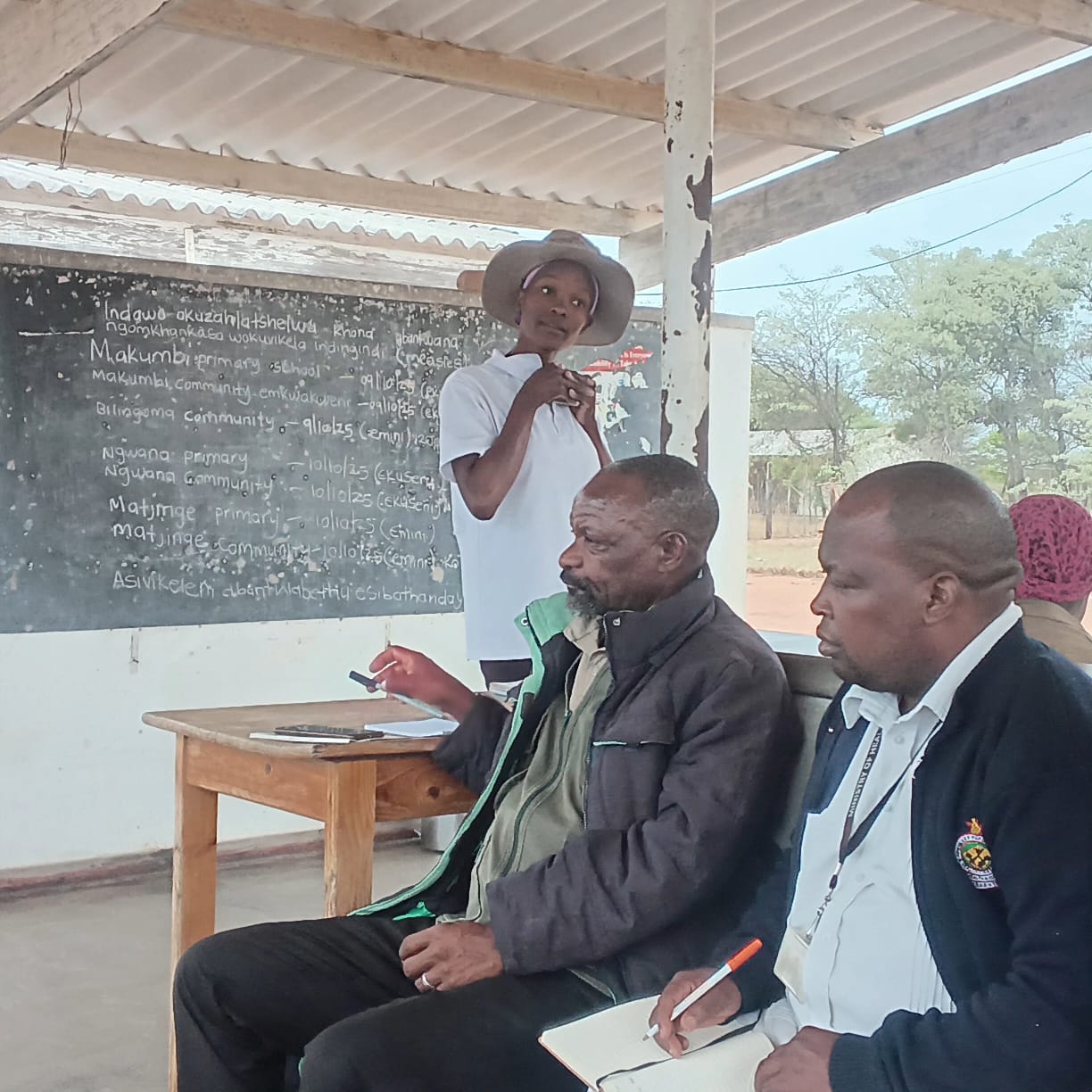
“Of late I get slots at community meetings to spread my gospel I encourage every one to test and know their status then take treatment if positive and prevent if negative,” she said.
“In the past there were some challenges with the churches and traditional leaders but now we even have some of them on our CARG groups.”
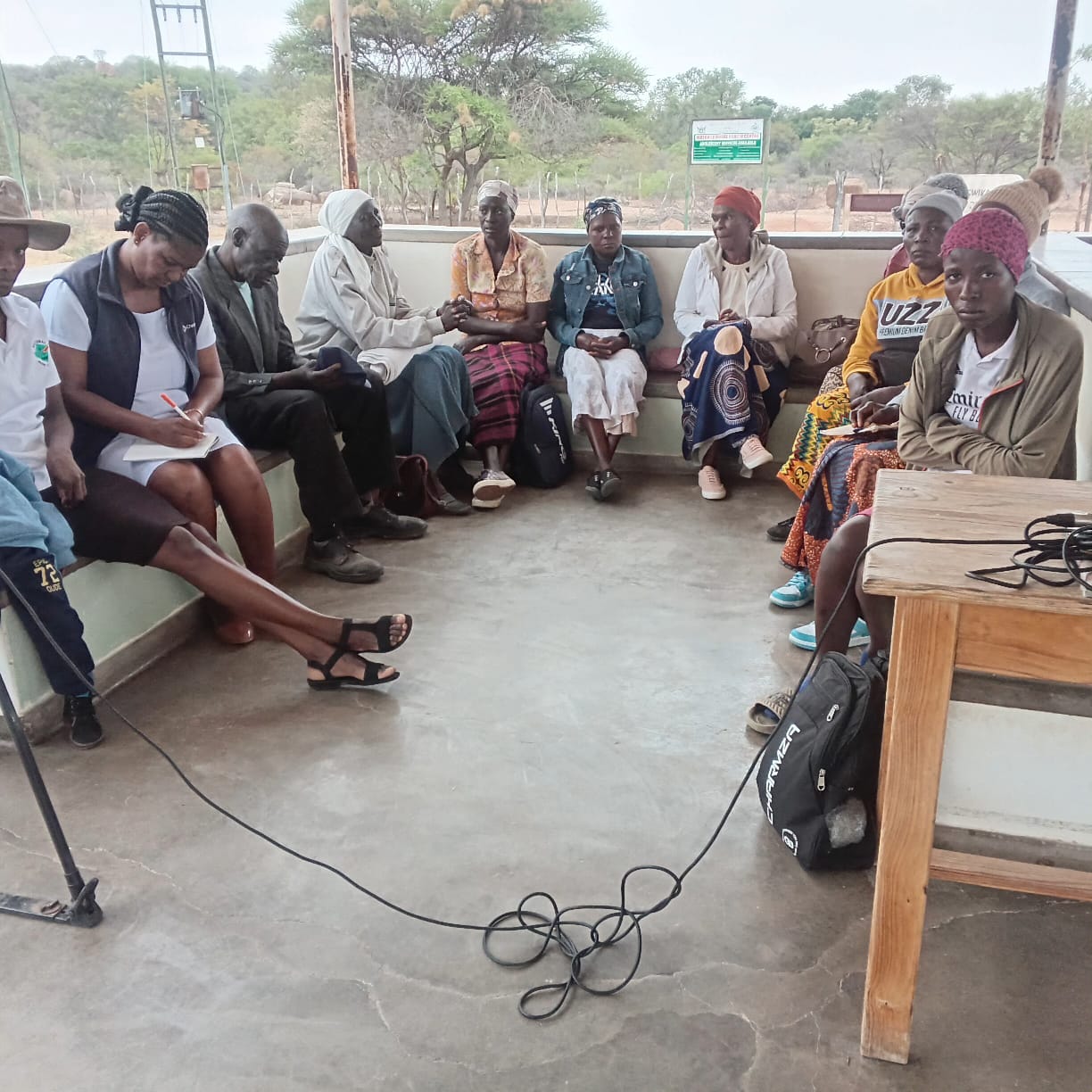
At Matjinge Clinic and before journalists on a tour of NAC’s impact, Bhebhe went through her CARG session with one of the 14 groups under the clinic which she leads.
Although it had more women, Bhebhe said men who initially dismissed her, now join the groups accepting the possibility of long positive life through change of behaviour.
Dismantling traditional medicine and faith beliefs of healing has been one of the major milestones by NAC in Matabeleland South, and obviously countrywide .
Across Matabeleland South NAC’s programmes have had massive impact in the province where HIV prevalence rates above the national average.
Behaviour Change Community Motivation (BCCM) initiatives, Sister to Sister and Not in my village are some of the modules by NAC which have had high impact.
“Topics on adherence have changed a lot and in these CARG groups we bring our tablets to take stock of one another. We see if someone has been complying, ” said Bhebhe.
She said having been regular in testing for HIV, she was unfortunate to date a positive ma who lied to her.
“He was a businessman and I never had the presence of mind to test first. Then one day I escorted him to the clinic where he left me with his card and the horror was there for me to see,” she said.
She left and walked away home dejected and her first port of call was the clinic where the sad news was revealed.
“First I refused to take tablets, but went back the following morning to start my programme. I am not ashamed of my story and it has now helped many. I am open and I have never been sick, I adhere,” she said.
Her story has been able to influence change and give her the power to assist fellow villagers.
Bhebhe said her groups have club where they contribute money to loan each other and be financially stable and independent.
Poverty in her district is among the main drivers of adolescent girls engaging in risky behaviour something which also affects young women.
Cross generational partners has also been a major driver of HIV infections when young girls engage with older infected men in transactional sex.
Because they are not in control, they have plain sex without protection only to come and infect boys they age when they marry them.
Slowly but surely the Matjinge community is improving from its previous self and with footsoldiers like Bhebhe, the 2030 vision where there will be no new infections is within reach.