


By Rex Mphisa
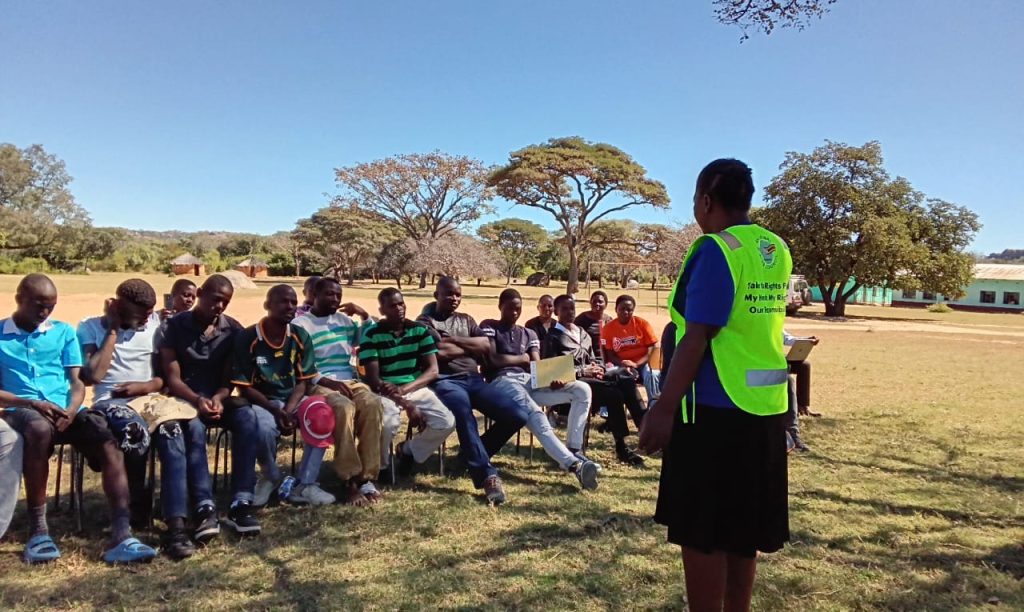
SOME 10 kilometres south of Cecil John Rhodes’ grave at the granite Malindidzimu Hill of the Matopo National Park near Bulawayo, residents of little known Silozwi Village are discussing how to mix cultural norms and the topical HIV/Aids pandemic.
They meet in a serene environment far different from urban hassles, to debate a renewed approach balancing their “Amasiko” (cultural practices, norms) with life under the HIV/Aids scourge.
These, often patriarch norms, place women as subservient partners in marriage unions or love affairs, effectively taking away their voices, rights to sexual feeling expression subjecting them to, at times, half baked conjugal rights devoid of climax.
Under these, physical affection lacks the reciprocal enthusiasm or the emotional “climax” nature demands both partners deserve, often signaling the deeper underlying taboo issues that women should not suggest anything during sex.
In that midst of rich green trees, several crops of beautiful hills whose tear-like rivulets running down their sides glitter under the sun overshadowing past years of bitter droughts Silozwi’s Matuze Group laugh and debate serious issues.
A century before these Silozwi villagers sat under the devastating pandemic that has claimed thousands of lives, Cecil Rhodes before his death way back in 1902, also sat near Silozwi with his party in the aftermath of the third and final Indaba (peace conference) of the bloody Second Matabele War where thousands died.
Just like how Cecil Rhodes and his party discussed his stolen Rhodesia’s future and a modern approach to life that changed the course of the country Silozwi villagers map the way forward under harsh circumstances ushered in by HIV/Aids.
History says Rhodes loved the site he later chose for his burial, naming it “View Of The World” because of its tranquility.
Together with his lover Dr. Leander Starr Jameson and members of the Alan Wilson Patrol killed to a man by some of the Silozwi people’s ancestors 120 kilometres away at Shangaani during that war, Rhodes was indeed buried here aged 49.
And the meeting he sat for after the Second Matabele War was key to change the political future of then Rhodesia, now Zimbabwe, just like the many sessions Silozwi villagers hold under their National Aids Council (NAC) programmes projecting behaviour change under the HIV/Aids scourge.
Today, Matopo National Park is a World Heritage site, coupling its yesteryear traditional role as the rain making site for the Matabeleland and Mashonaland regions back then with the new multi-million dollar spinning tourist attraction it is.
Approximately 15000 to over 32 000 people visit the Cecil John Rhodes grave site at “World’s View” giving the Silozwi villagers a chance to make money from craftware and souvenirs sold to tourists mostly rich colonial history enthusiasts who come to sit on Cecil Rhodes grave dug in the granite Malindidzimu (Hill of the Ancestoral Spirits).
But after that money is made, Silozwi has a life to live and their vibrant NAC supported Matuze Group tackles issues under the mentorship of Rachel Fuzwane, 51, a natural driver of debate.
Journalists, Government officials and NAC management on a five day tour of the latter’s HIV/Aids campaign in Matobo and Beitbridge were left in stitches by how the laughter filled session on various key topics drove important discourse.
For instance Fuzwane intelligently packaged how openness between couples during quality time (intimacy) was key to satisfaction.
She said unsatisfied partners naturally outsource glory and satisfaction exposing their unions to multi-relations that usually result in the dreaded diseases like sexually transmitted infections, HIV and Aids.
“We must be able to prepare each other, even throughout the day so we both look forward to the occassion. The situation must not be like where someone arrives before “the bus reaches its destination”. We must arrive together and there is satisfaction on both sides,” she said making the whole gathering including visitors explode into laughter.
Fuzwane lightens the once taboo topics about spousal sex relationships and encounters to look like a walk in the Matopos Park!
Throughout her session lasting about an hour, members of her NAC Behaviour Change Community Mobilisers (BCCM) group were hooked on their various topics including Polygamy and “Small Houses”, Widow Inheritance, Dry Sex, Social and Religious Beliefs, Stigma and Silence.
“I have two groups here, the male group and another support of people living with HIV who have projects they are doing. They need support to make them self-sustenable,” she said.
On the gains she has realised is reduced domestic violence.
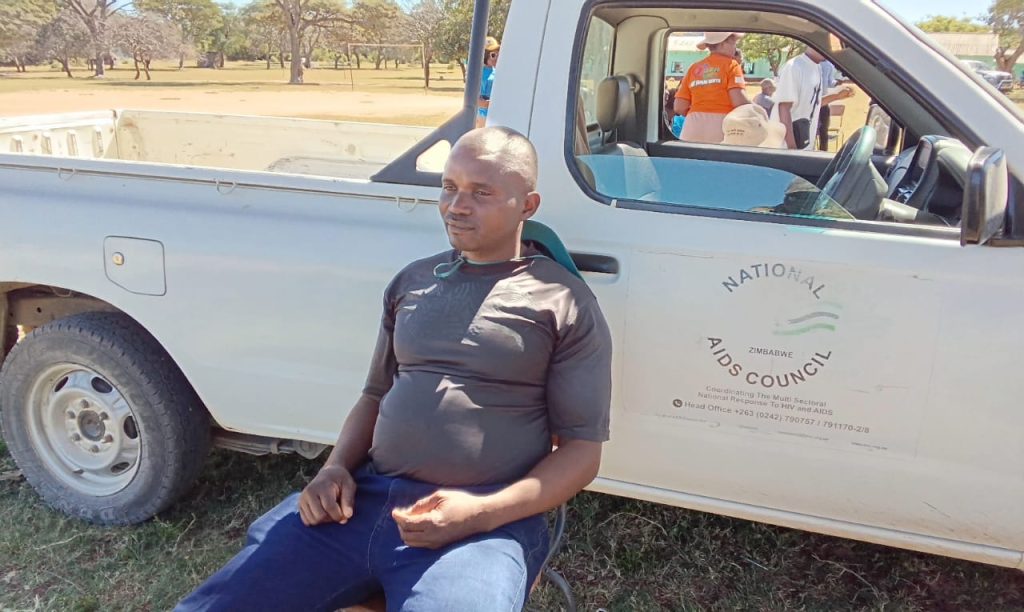
“She is a natural driver of conversation and her packaging of information has had its own serious positive impact,” said a very vocal Mandla Mabhena, a member of Matuza described Fuzwane.
Initially he was reluctant to join the group but he says it has created a platform that mixes real life education with fun.
Although just 58 kilometres away from Zimbabwe’s second largest city of Bulawayo, Silozwi has its own mobile phone network problems, bad roads and a poor transport service but villagers in the area are united in a new purpose in one of Zimbabwe’s districts worst affected ted by HIV.
District Aids Coordinator for Matobo said NAC is accelerating its community-level HIV response, particularly in 16 out of 25 Wards, using the Behaviour Change Community Motivators (BCCM) model to fight stigma and increase male engagement.
This is coupled with Sista to Sista activities by adolescents and young women who are having several income generating projects to give the female targets economic self-sustenance.
Matobo has a population of 95 696 of which 9 638 are living with HIV and Aids and the uptake of Anti retroviral medication is 98 percent.
Matobo District is a diverse economic region largely driven by agriculture, small-scale mining, and tourism, often operating within ecological regions IV and V.
The area is currently undergoing significant rural industrialization, focused on strengthening these sectors through irrigation and infrastructure development, particularly surrounding the 2026 Independence Day celebrations.
HIV prevalence is fuelled by multiple mining activities and being close to Botswana, crossborder economic activities attract the presence of young girls and women exchanged between male age groups increasing HIV and Aids spreading.