


By Chantelle Muzanenhamo
TRADITIONAL leaders and local authorities in Matabeleland South have welcomed the Government’s Reserved Sector Policy, describing it as a major step towards empowering Zimbabweans and strengthening community participation in the economy in line with Vision 2030 and the National Development Strategy 2 (NDS2).
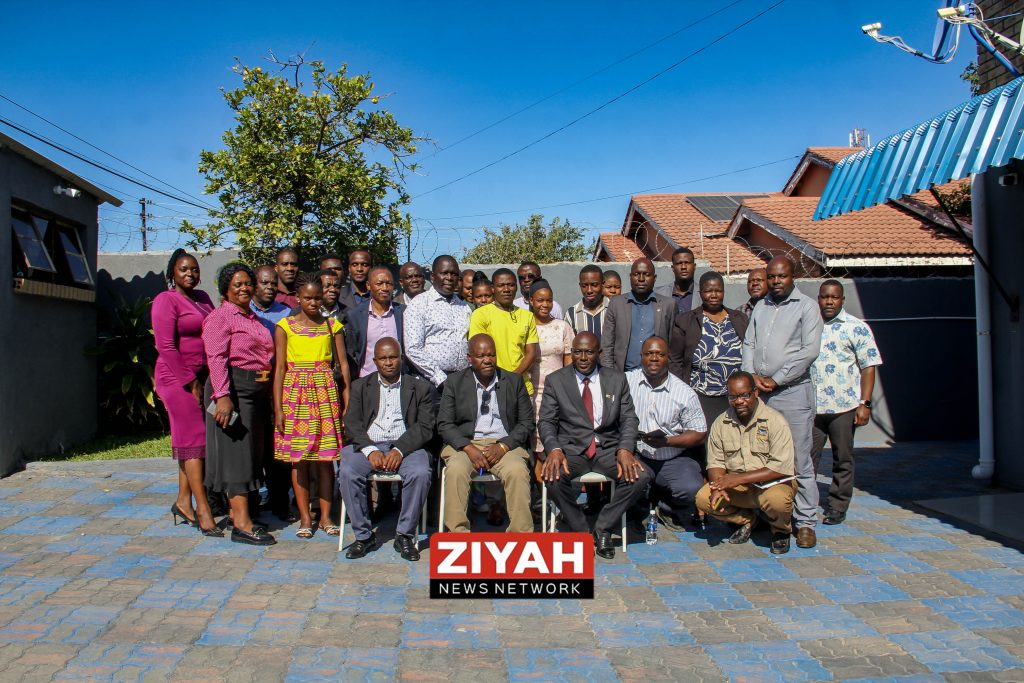
The sentiments were shared during a provincial stakeholder consultation workshop organised by the Ministry of Industry and Commerce in Beitbridge on Thursday.
The meeting formed part of Government efforts to explain and gather feedback on the Reserved Sector Policy, a framework under the Indigenisation and Economic Empowerment Act that sets aside certain small and medium-scale business activities exclusively for Zimbabweans.
The policy is designed to promote local ownership, protect emerging entrepreneurs, and ensure that economic benefits remain within communities.
Speaking during the workshop, Beitbridge Ward 4 Councillor Emmanuel Takutaku said the policy gives hope to local people by creating opportunities for Zimbabweans to actively participate in sectors previously dominated by foreign players.
“This is a beacon of hope for our people. Government is showing commitment towards empowering locals by reserving certain sectors for Zimbabweans,” said Takutaku.
Chief Mbiko Masuku of Gwanda also applauded the Government for engaging communities and traditional leaders in policy discussions, saying economic transformation can only be achieved through collective local participation.
“No one will come and fix our economy for us. It is our responsibility as Zimbabweans to build and protect it,” said Chief Masuku.
He said the Government’s decision to consult stakeholders demonstrates recognition that communities are key owners and beneficiaries of national policies.
During a presentation on the Reserved Sector Policy, Deputy Director for Economic Empowerment Martin Maswera said the policy seeks to accelerate home-grown economic transformation by protecting foundational sectors from foreign dominance.
Maswera said the framework, operationalised through Statutory Instrument 215 of 2025 under the Indigenisation and Economic Empowerment Act, is designed to ensure business revenues circulate within local communities while promoting entrepreneurship among Zimbabweans in line with the objectives of NDS2.
The reserved sectors include passenger transportation, barber shops, beauty salons, bakeries, advertising agencies, estate agencies, and artisanal mining, among others.
Speaking to Ziyah News Network on the sidelines of the workshop, Matabeleland South Deputy Director for Operations Lovender Ncube said the consultations are meant to gather stakeholder input before the policies are finalised.
“The aim of the workshop was to engage stakeholders and gather feedback which Government will take into consideration going forward,” said Ncube.
For many stakeholders, the policy marks a significant shift from previous years when local entrepreneurs often struggled to compete against well-funded foreign operators in small-scale sectors.
Many attendees expressed hope that the new framework will restore opportunities for ordinary Zimbabweans, strengthen community-based economic growth, and contribute towards the attainment of Vision 2030.