


By Rex Mphisa
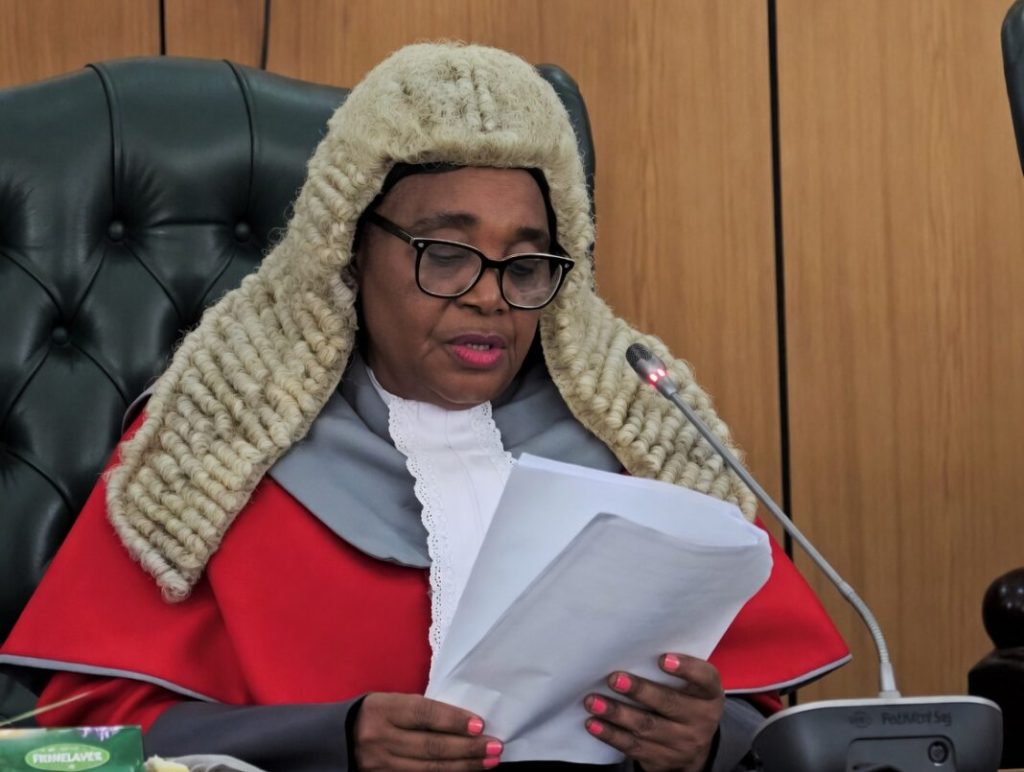
ZIMBABWE on Thursday got its first female Chief Justice following President Emmerson Mnangagwa’s appointment of Justice Elizabeth Gwaunza.
Appointed in terms of in terms of section 180 (2) of the Constitution of Zimbabwe, Gwaunza replaced Chief Justice Luke Malaba who leaves office on May 15 after turning 75, the official retirement age for judges.
“His Excellency, the President, has, in terms of section 180 (2) of the Constitution of Zimbabwe, appointed Honourable Mrs Justice Elizabeth Gwaunza as the Chief Justice of the Republic of Zimbabwe with effect from 15 May 2026,” Chief Secretary to the President Martin Rushwaya said in a press release released Thursday.
“Honourable Mrs Justice Elizabeth Gwaunza is qualified for appointment, having served as the Deputy Chief Justice since 29 March 2018 and possessing extensive judicial experience,” said Rushwaya.
Constitutional Court judge Paddington Garwe was also appointed as the country’s new Deputy Chief Justice, a post previously held by Gwaunza.
The statements said the two qualified for the position after serving as top judges for a long time and possessing “extensive judicial experience.”
A special Constitutional Court sitting was on Thursday held in Malaba’s honour when he is reported to have said he would depart “with dignity” as “the bell of the Constitution” tolls at midnight to mark the end of his judicial career.
“The burden of justice is heavy, but it is also honourable,” Malaba said while reflecting on decades of judicial service.
Gwaunza, Zimbabwe’s first female Chief Justice, described Malaba as “a towering figure in Zimbabwe’s legal and judicial history” whose leadership transformed the Judiciary through digitisation, decentralisation of court services and expanded access to justice.
Malaba retires after one of the most significant tenures in Zimbabwe’s history.
He had initially been expected to retire in 2021 after reaching the constitutional retirement age of 70, before Constitutional Amendment No. 2 extended judges’ retirement age to 75, allowing him to remain in office following presidential approval, a move that triggered legal and political te.