


By Chantelle Muzanenhamo
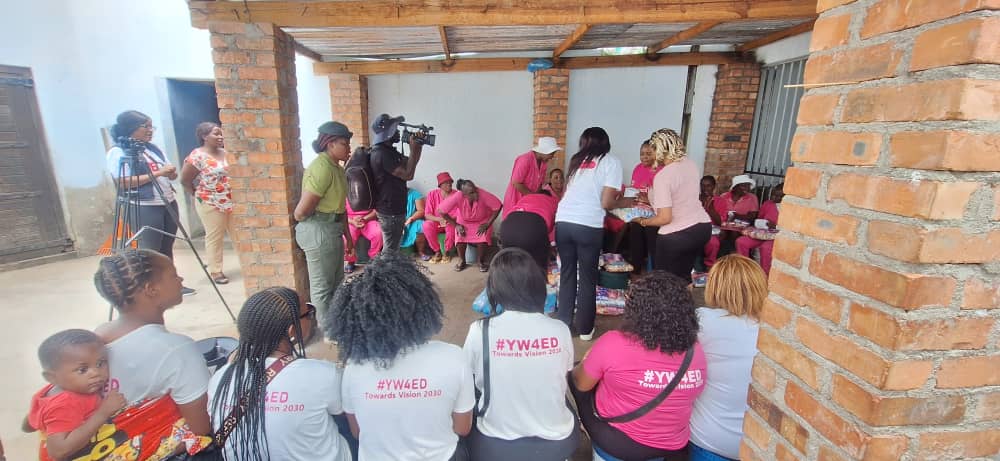
YOUNG Women for Economic Development (Young Women 4ED) brought relief and renewed hope to female inmates at Beitbridge Prison on Sunday, December 14, the final day of ZPCS Family Week, by donating sanitary items.
During the outreach, Young Women 4ED donated sanitary wear, toiletries, undergarments, and basic foodstuffs, items that play a critical role in maintaining hygiene, health, and self-worth among female inmates.
Speaking to Ziyah News Network, Young Women 4ED Provincial Agriculture Head, Lindiwe Nguluvhe said the donation was driven by a commitment to restore dignity and meet the immediate needs of women in incarceration, particularly during the emotionally demanding festive period.
“These items may seem simple, but for women in prison they mean everything,” she said.
“They address urgent needs while also restoring a sense of humanity and dignity. When women feel cared for, it supports their emotional stability and readiness for rehabilitation,” she said.
Nguluvhe said the outreach was inspired by the organisation’s belief that every woman deserves dignity, hope, and a second chance to rebuild her life.
“Our decision to support female inmates stems from our core belief that no woman should be left behind,” she said.
“As Young Women 4ED, we are committed to empowering women across all sectors of society, including those often overlooked. This initiative aligns with the government’s development vision under the leadership of President Emmerson Dambudzo Mnangagwa of leaving no one and no place behind,” she said.
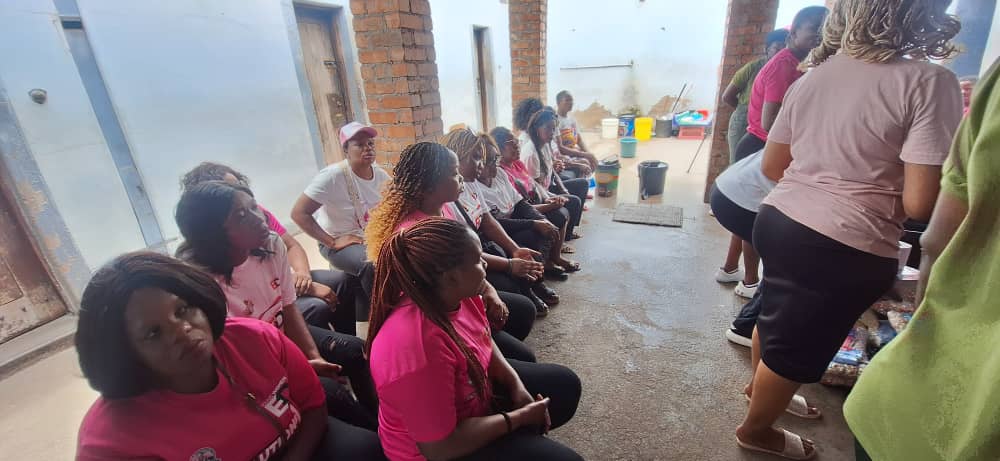
Nguluvhe highlited that their Engagements with inmates also highlighted key challenges and opportunities.
Many women expressed a strong desire for vocational training, spiritual support, and reconnection with their families.
The organisation identified practical skills training in areas such as beading, baking, and agriculture as potential pathways to empowerment.
“We saw untapped potential,” she said.
“There are opportunities to introduce agricultural projects that can provide both sustenance and economic empowerment. While progress may be gradual as we engage different partners, this remains our heartfelt wish.”
Looking ahead, Young Women 4ED plans to roll out tailored economic empowerment programmes, including soap-making, tailoring, and digital literacy workshops, alongside mentorship initiatives linking inmates with women entrepreneurs and community leaders.
“Our goal is to equip these women with practical skills and the confidence to pursue economic independence once they are released,” she added.
She said partnerships are critical to the success of rehabilitation efforts, noting that collaboration between ZPCS, civil society, and the private sector can transform incarceration into an opportunity for renewal.
“ZPCS provides access and structure, while partners bring resources, training, and post-release support,” she said.
“We envision a collaborative model where rehabilitation is not just custodial, but transformational restoring women to their families, communities, and economic pathways,” she said.
The outreach formed part of broader Family Week activities aimed at strengthening family bonds and supporting inmate rehabilitation, while reinforcing the role of community stakeholders in correctional reform.