


By Chantelle Muzanenhamo
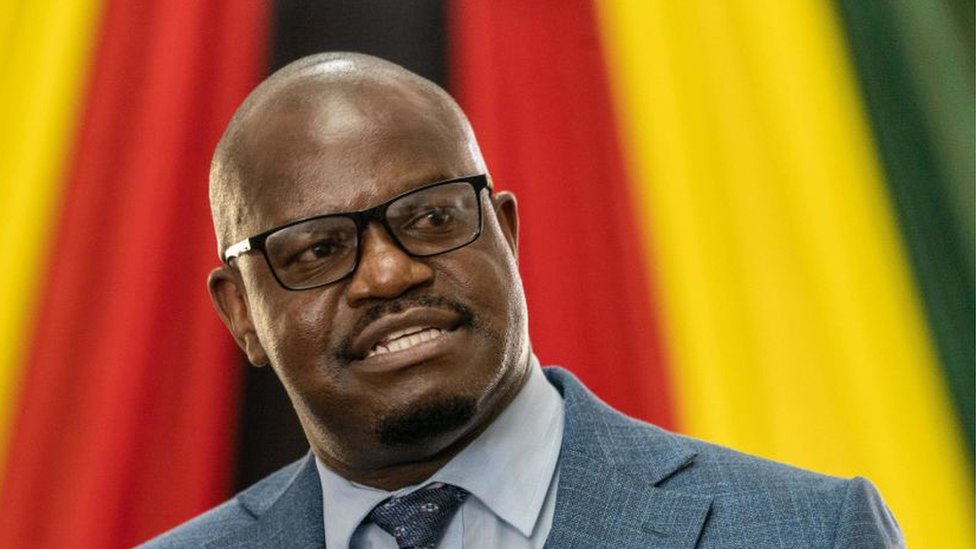
A senior Government official has said Zimbabwe ended the US367 million Health Funding talks with the United States Of America on President Emmerson Mnangagwa’s directive coupled with a thorough review by several ministries.
In a lengthy explanation carried in public media the Permanent Secretary in the Ministry of Information, Publicity and Broadcasting Services, Nick Mangwana, said the decision followed the country’s decision against piece meal for long term solutions.
Mangwana said the decision followed President Emmerson Mnangagwa’s directive and a thorough review by several government ministries.
“Our duty is to protect the long-term health security of Zimbabweans, not accept short-term aid that could limit future benefits,” he wrote in the article.
He explained that while U.S. assistance is appreciated, the proposed five-year Memorandum of Understanding (MOU) would have required Zimbabwe to share sensitive health data and biological samples without any guarantee that vaccines, treatments, or medical innovations developed from that data would benefit the country.
Accepting such terms could have compromised Zimbabwe’s ability to protect its citizens in future health crises.
Mangwana emphasized Zimbabwe’s support for multilateral systems like the World Health Organization’s Pathogen Access and Benefit-Sharing framework, which ensures fair sharing of benefits when countries provide health data.
A separate bilateral deal, he warned, could weaken Africa’s collective voice and limit access to global health innovations.
He said the decision was about protecting national sovereignty, not rejecting the United States.
Aid, he said, should empower nations, not create dependence or give foreign partners control over strategic resources.
The United States had announced in a statement on Tuesday, it would begin reducing its health aid to Zimbabwe after the government pulled out of negotiations.
The proposed $367 million agreement would have supported HIV/AIDS treatment and prevention, tuberculosis, malaria, maternal and child health, and disease outbreak preparedness.
The U.S. embassy noted that the funding could have helped 1.2 million people currently receiving HIV treatment through U.S.-supported programs.
Mangwana concluded that Zimbabwe remains ready to work with the United States and other countries on health issues but only on terms that are fair, balanced, and respect the country’s rights.