


By Chantelle Muzanenhamo
The Zimbabwean Government has launched an ambitious Renewable Energy Policy aimed at combating ongoing electricity shortages and reducing reliance on traditional energy sources. The policy targets generating 1,100 megawatts (MW) by 2025 and 2,100 MW by 2030 from renewable sources, including biofuels.
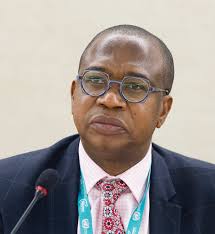
In a speech delivered on his behalf at the Africa Infrastructure and Built Environment Confex (AfriConfex) conference, Finance, Economic Development, and Investment Promotion Minister Professor Mthuli Ncube emphasized the need for sustainable energy solutions.
“The electricity shortages we are experiencing are largely due to low generation capacity at the Kariba Hydropower Station, exacerbated by the El Niño-induced drought,” he stated, highlighting the policy’s role in ensuring a more stable energy supply.
To support the transition, the government is implementing incentives to attract investment in renewable energy, including support for Independent Power Producers and solar plant installations. The first half of 2024 saw the installation of 107 institutional and 159 domestic biogas digesters, promoting environmentally friendly energy sources.
Professor Ncube noted that the Renewable Energy Policy could reduce greenhouse gas emissions while creating opportunities for economic development and job creation.
The National Renewable Energy Policy (NREP) and the Biofuels Policy aim to optimize energy supply for socio-economic development and promote investment in renewable technologies.
Despite progress, there remains a significant financing gap for climate adaptation, estimated at US$10.3 billion and US$4.8 billion for the 2023 to 2030 period.
As Zimbabwe advances its Renewable Energy Policy, the government is committed to fostering a sustainable energy future that addresses power shortages and contributes to long-term economic stability.