


By Evans Dakwa, News Editor
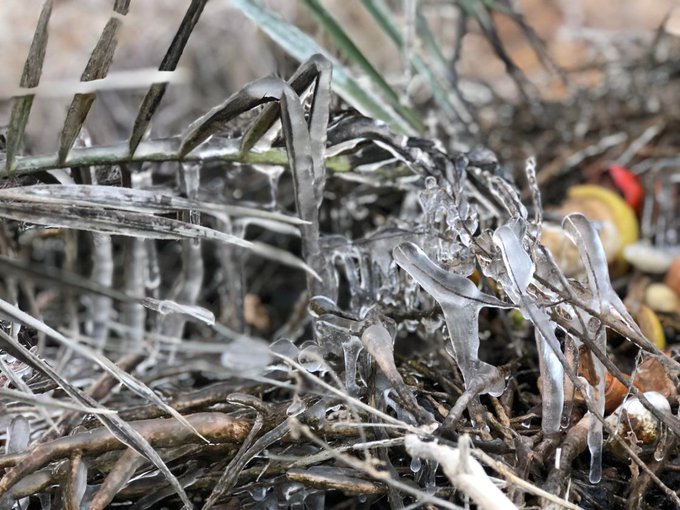
Beitbridge-Farmers in Beitbridge District suffered major losses as their winter crop was damaged by unusual prolonged frost that destroyed over 60 hectares of different crops.
While night frost is common around June in the district, it is usually mild and is sporadic to cause any major damage according to the district’s Agricultural Advisory Services department formerly known as the Agritex department but seemingly the impact of climate change and the unpredictable weather patterns that are emerging took a toll.
“It’s very unusual especially here in Beitbridge, of course we experience very sporadic frost in parts of the district, normally we just have overnight frost but this time it was very bad, it was four to five days of frost action, said Sandy Ndlovu, the District Crop Specialists in the Agricultural Advisory Services department.
The damage to crops was so extensive that no ward of the district was spared according to Mr Ndlovu.
“Communal Irrigation schemes like Shashe, Tongwe, and individual irrigators like Top pick investments were all affected. Top pick investments recorded 45 hectares completely damaged, then Shashe sugar beans about 15 hectares, there was a serious damage, other individual irrigators had their tomatoes, maize crop that was at tasselling stage also damaged, almost every ward was affected,” he said.
He also said the impact of the frost was attributable to farmers failing to plant on time especially the sugar bean plant.

“The major challenge that these farmers had was late planting of sugar beans, they should start planting end of February, so we are looking at February, March, April and May they are ripe ready for harvest, but if you extend planting to March the crop will encroach to June, the month most of frost come,” he added.
He called farmers to start on fodder preservation methods, if they can do silages the better as they can salvage something from the disaster for their livestock.
As part of measures to avoid such kind of losses to farmers, the Agricultural Advisory Services department is training and encouraging farmers to plant their crops at their rightful time and not give in case of crop failure but concentrate on livestock production which is an alternative especially in years when there is little rainfall.