


By Rex Mphisa
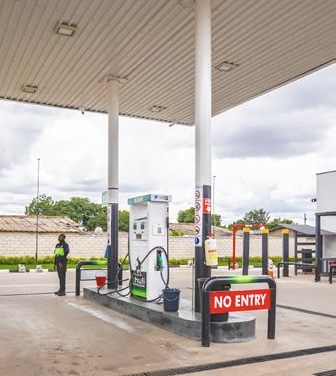
THE Government of Zimbabwe with effect from Friday temporarily removed taxes on diesel amounting to US$0.54 per litre, in a move aimed at shielding consumers and key productive sectors from rising global fuel prices while safeguarding macro-economic stability.
But the country’s diesel prices remained highest in the region where the burden has already been passed to the end user which are the common people.
Finance, Economic Development and Investment Promotion Minister Professor Mthuli Ncube in a statement released late on Thursday said some taxes on diesel had been removed to cushion the economy from external shocks.
Ncube said the suspended taxes include excise duty, the Zimbabwe National Road Administration (ZINARA) road levy, carbon tax and the strategic reserve levy.
“Government, under the visionary leadership and guidance of President Mnangagwa, has taken decisive and unprecedented action to cushion citizens and industry from the adverse effects of rising global fuel prices,” he said.
The decision comes against a backdrop of escalating geopolitical tensions in the Middle East, which have disrupted global oil markets and driven up international fuel prices.
“This intervention comes in the context of escalating geopolitical tensions in the Middle East, which have significantly disrupted global oil markets, resulting in sharp increases in international fuel prices,” said Ncube.
Ncube said the developments have a direct bearing on Zimbabwe’s fuel import costs, with potential knock-on effects on production, transportation, and the general price level
Government took into account public concerns over the contribution of domestic fuel taxes to high pump prices, he said
“Cognisant of these developments, and mindful of longstanding public concerns regarding the contribution of domestic fuel taxes to pump prices, Government has resolved to remove all taxes levied on diesel, with effect from 3 April 2026.”
Removed taxes collectively amount to US$0.54 per litre, representing a significant proportion of the retail price of diesel, a critical input in agriculture, mining, manufacturing, and logistics, which would have gone up to US$2.65 per litre, he said.
“However, taxes and levies on petrol remain unchanged at current levels.”
He described the measure as bold and necessary in preserving economic stability.
“This bold and unprecedented measure reflects Government’s commitment to protecting both consumers and productive sectors from external shocks, while safeguarding macro-economic stability.”
The removal of diesel taxes is expected to provide relief to businesses by lowering operating costs, particularly in sectors heavily reliant on fuel such as transport, agriculture, mining and manufacturing.
The intervention, he said, would also help stabilise prices of basic goods and services, anchor inflation expectations and sustain the country’s economic recovery momentum.
“Government is, therefore, making a deliberate and significant fiscal sacrifice in the national interest, prioritising economic stability and the welfare of citizens over short-term revenue considerations.
“This measure underscores the Second Republic’s responsive and people-centred approach to economic management, as well as its commitment to ensuring that every Zimbabwean is cautioned against the impact of the current global economic headwinds.”
He said authorities will continue to monitor global developments and stand ready to act if necessary.
“Government will continue to closely monitor global developments and stands ready to implement further measures, where necessary, to safeguard the economy, as well as ensure availability of sufficient fuel stock in the market.”
But several transport operators had already adjusted their fares in line with the new pump prices some stakeholders say are the highest in the region.
“Before fuel went up in the region, ours in Zimbabwe had already shot up such that the effect of the removal of these taxes will not match our prices with those in the region. Our fuel remains the highest and President Mnangagwa should intervene on behalf of the larger section of Zimbabwe,” said one bus operator.
South Africa’s diesel per litre costs R26.11 per litre ($1.63) and remains in the range with other SADC countries where Zimbabwe has the most expensive fuel.