


By Rex Mphisa
ZIMBABWE’s First Lady Auxillia Mnangagwa has called for a plastic-free environment saying it is everyone’s duty to clean their surroundings.
Plastics are arguably tye most common form of litter and Mnangagwa said the material puts pressure on the environment hence it should be rid of.
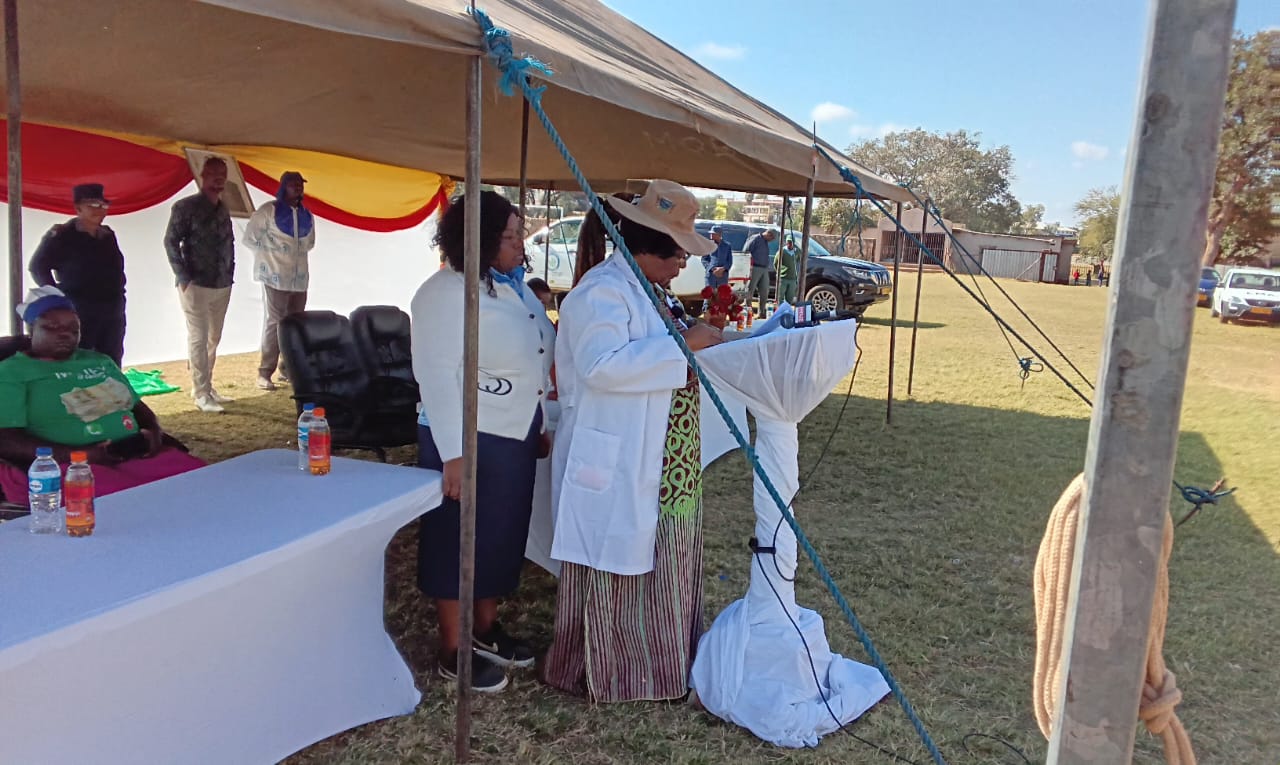
She was speaking at Beitbridge in a speech read on her behalf by Sibusisiwe Nguluvhe.
“This year, when we commemorated the World Environment Day the focus was on climate action and environmental sustainability. We are confronted by one of the most pressing environmental challenges of our time—plastic pollution. Across Zimbabwe and around the world, plastic waste continue to threaten our ecosystems, infrastructure, contaminate water sources, destroy biodiversity, and endanger public health,” she said.
“Recognising these challenges, Zimbabwe has embraced the national theme “A Plastic-Free Environment is Possible – Play Your Part.” This message reminds us that every individual has a role to play in protecting our environment. Small actions such as reducing plastic use, separating waste, recycling materials, and participating in community clean-up campaigns can collectively create a significant positive impact.”
She said a major step towards achieving this vision is the Zero-Waste Movement under her Patronage.
This, she said, had been adopted across Matabeleland South Province under the banner “The Globe is Our Home – Zero Waste, My Responsibility.”
“The Zero-Waste Movement promotes a new way of thinking about waste. Instead of viewing waste as something to be discarded, it encourages us to see waste as a valuable resource that can be reused, recycled, and recovered.”
She said plastic pollution is not only an environmental problem but an economic and public health challenge.
“Large quantities of waste continue to accumulate in our towns and communities, placing pressure on municipal services and creating breeding grounds for disease,” Mnangagwa told hundred of Beitbridge residents who joined her in the launch of he campaign.
Be that as it, she said, plastic litter also presented a tremendous opportunity of recycling and waste recovery with a potential to create employment, generate income, and improve livelihoods.
“Across the province, innovative individuals and
enterprises are transforming waste into valuable products. Plastic waste is being collected, sorted, and processed into reusable materials, while entrepreneurs are creating products such as paving bricks and other construction materials from recycled plastics,” she said.
In Beitbridge, the venue of her launch, several people are engaged in the recycling of plastics and are in good business considering amounts generated by thousands of travellers passing through thr border daily.
Mnangagwa asked residents and other stakeholders and those who joined her clean up to strengthen their commitment to the principles of Reduce, Reuse, Recycle and Refuse.
“Let us separate waste at source, support local recycling initiatives, participate in clean-up campaigns, and discourage illegal dumping. Let us empower our schools, youth groups, and community organizations to become champions of environmental stewardship. Let us Refuse and say no to single-use of plastic,” she said.
“Together, through the Zero-Waste Movement, we can build cleaner towns, healthier communities, and a stronger economy. Together, we can reduce pollution, create green jobs, protect our natural resources, and contribute to climate action. Let us remember that the future of our environment depends on the choices we make today. A cleaner, greener, and plastic-free Zimbabwe is possible if we all play our part,” said Mnangagwa
She thanked Beitbridge residents and said it was a great honour to join them cleaning Beitbridge town.
“I am humbled to see Churches taking the lead in cleaning their environment. This is a clear indication that we want to achieve a waste free environment. These important occasions remind us that environmental protection is not the responsibility of government alone; it is a shared duty that requires the participation of every citizen, institution, and community.