


By Chantelle Muzanenhamo
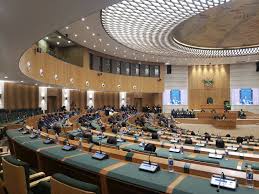
Benjamin Ganyiwa, the Gutu East member of parliament from the ZANU-PF party, has ignited a firestorm of criticism after suggesting the introduction of a tax on rental incomes during a National Assembly session that debated the 2025 National Budget yesterday.
Ganyiwa’s proposal comes amidst discussions of new revenue-generating measures by Finance Minister Mthuli Ncube held at the parliament recently.
He cited the proliferation of mushrooming cluster houses as a significant factor that warrants government taxation.
“In the last 2024 budget, there was a proposal to tax the second home of individuals and companies. And I remember vividly that I myself debated and proposed that we should not tax a second home. We should go beyond that, making sure we tax the rentals as they are just free incomes,” noted Ganyiwa.
He explained that rental income, often unrecorded, represents a cash flow that benefits property owners without contributing to the national treasury.
“If you go around, you see a lot of mushrooming cluster homes. This money goes into individuals’ pockets without the government getting anything. Therefore, the Minister should make sure that we go for the rentals,” he emphasized.
The discussion around taxation on rental properties is not new but gained traction following Finance Minister Ncube’s proposal for a Rental Income Tax in his 2025 budget presentation.
This new tax would impose a 25% levy on properties converted from residential to commercial use, requiring companies to disclose essential rental details, including the rent amount, location, and ownership, to the Zimbabwe Revenue Authority (ZIMRA).
However, Ganyiwa’s comments did not sit well with online audiences, sparking widespread backlash. Many expressed concerns about the potential burden a rental tax could place on tenants and landlords alike, particularly in a struggling economy where housing costs are a critical issue.
“The government should focus on improving housing standards rather than taxing those who are already struggling,” commented one social media user, encapsulating the sentiments of many critics.
Another added, “Taxing rental income is just another way for the government to squeeze what little people have left.”
In addition to the rental tax proposal, some legislators voiced their opposition to taxing second homes under legally recognized polygamous arrangements, suggesting that these households should not be penalized for their structure.
As discussions continue, the proposal from Ganyiwa raises fundamental questions about housing policy, fiscal responsibility, and government intervention in the rental market, all issues that resonate deeply within the current socioeconomic context in Zimbabwe.